Contact Us

What Are Yokohama Dealers and How Can Buyers Find Them?

Choosing reliable Yokohama dealers is about more than finding the lowest advertised price. A dealer connects drivers with genuine Yokohama tires, correct specifications, professional fitting, and dependable after-sales support. The right retailer should explain tread patterns, load ratings, seasonal performance, and vehicle compatibility in clear language. Look for a physical workshop, visible business details, trained technicians, and transparent quotations. A clean fitting bay matters. So does careful handling.

Yokohama Rubber President Masataka Yamaishi has often highlighted the tire’s responsibility to support safe mobility, a principle that can guide buyers: “Tires are the only contact between a vehicle and the road.” That contact deserves attention. Buyers should compare authorized dealer listings, customer feedback, warranty information, and stock dates before making a decision. Ask whether the quoted price includes mounting, balancing, valves, taxes, and disposal. Small omissions can change the final cost.

Local experience is useful. A dealer serving wet coastal roads may recommend different priorities from one serving snowy mountain routes. However, advice should match the vehicle manual, driving habits, and local conditions. Not every confident recommendation is a good one. Ask questions. Check the sidewall markings. Confirm the exact model before installation.

This guide explains how Yokohama dealers operate, where buyers can find them, and how to assess their credibility. It also considers an imperfect reality: availability can vary, online reviews can be incomplete, and the cheapest option may not offer the safest long-term value. Reliable decisions usually come from evidence, not pressure.

What Are Yokohama Dealers and How Can Buyers Find Them?

What Is a Yokohama Dealer?

A Yokohama dealer is a retail business authorized to sell and install Yokohama tires. The dealer may also provide balancing, rotation, alignment, repairs, and warranty assistance. A genuine dealer should explain tire size, load rating, speed rating, tread design, and manufacturing date. They should not pressure buyers into unsuitable products.

The National Highway Traffic Safety Administration reports that tire-related problems contribute to approximately 11,000 crashes each year in the United States. That figure makes dealer expertise important, not decorative. A trained technician checks inflation, valve condition, wheel damage, and uneven wear before fitting new tires. The U.S. Tire Manufacturers Association also recommends checking tire pressure monthly and before long trips. A cheap installation can become expensive when these checks are ignored. I may be overly cautious, but online prices often hide service limitations.

Tips: Use the manufacturer’s official dealer locator first. Then call two nearby shops and confirm stock, tire age, installation fees, and warranty procedures. Inspect the sidewall date code before payment. Ask for a printed invoice showing the exact tire model and size. Google reviews can help, but they are not technical proof. A dealer with clear answers, trained staff, and visible equipment is usually a safer choice. Still, customers should verify everything themselves.

What Products and Services Do Yokohama Dealers Offer?

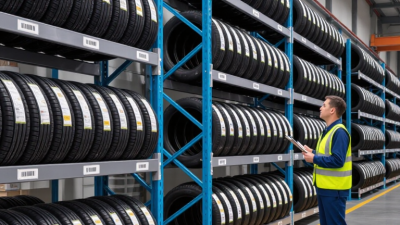
A reputable local tire dealer does more than sell replacement tires. Staff usually match tire size, load rating, speed rating, and driving conditions. They may offer touring, performance, all-season, winter, and commercial options. A careful technician checks the sidewall markings before making recommendations. This matters because a cheaper tire may not suit a heavy vehicle or frequent highway travel.

Common services include mounting, computer balancing, wheel alignment, tire rotation, and pressure checks. Many shops also inspect valves, wheels, and pressure-monitoring sensors. Some provide safe puncture assessments, but not every damaged tire should be repaired. Fleet customers may receive scheduled inspections, mileage records, and faster service appointments. Ask for a written estimate. It should list tire specifications, labor, disposal charges, and warranty terms.

Service quality can vary. A clean waiting room proves little. Look for trained technicians, modern alignment equipment, and clear inspection photos. Customer reviews help, but they are not perfect evidence. I would also ask whether the shop measures tread depth and records uneven wear. Even experienced staff can overlook a worn suspension part. An honest dealer should explain that possibility instead of promising a quick fix. Before choosing a dealer, compare two estimates and confirm the final price by phone.

How Can Buyers Locate Authorized Yokohama Dealers?

Finding an authorized dealer starts with the manufacturer’s official dealer locator. Enter your city, postal code, or driving distance. Check the listed address before visiting. Some online listings show businesses that have changed ownership or closed.

Call two or three nearby dealers and ask clear questions. Confirm they are currently authorized, not merely selling the same products. Ask whether they stock your required tire size and vehicle type. A reliable dealer should explain load ratings, seasonal suitability, installation charges, and warranty procedures. Request a written quotation. It helps prevent surprises at the counter. Also, inspect the workshop when possible. Clean equipment, visible safety procedures, and trained staff are useful signs. Still, appearance alone is not proof of authorization. That assumption can be misleading.

Tips: Use the official locator first. Compare the dealer’s address with its website and phone number. Ask for recent manufacturing dates and fitting details. Keep the invoice and warranty documents after installation. If answers feel vague, contact another listed dealer. Prices may vary, but extremely low offers deserve careful checking. I once overlooked a small fitting fee, so I now ask for the complete cost in writing.

What Are Yokohama Dealers and How Can Buyers Find Them? - How Can Buyers Locate Authorized Yokohama Dealers?

Search Dimension How Buyers Can Use It Information to Check Recommended Verification
Official dealer locator Enter a city, postal code, or address in the manufacturer’s official dealer-search tool. Store address, telephone number, opening hours, services, and distance. Confirm that the location appears in the current official locator before visiting.
Authorized dealer status Ask the retailer directly whether it is authorized to sell and service the relevant tire products. Authorization details, product availability, installation capability, and warranty procedures. Request written confirmation or verify the retailer through the manufacturer’s customer-service channel.
Vehicle compatibility Provide the vehicle year, make, model, trim, and current tire size to the dealer. Approved tire size, load index, speed rating, seasonal requirements, and vehicle recommendations. Compare the dealer’s recommendation with the vehicle placard and owner’s manual.
Inventory and quotation Contact several nearby authorized locations for availability and a complete installed price. Tire size, quantity, manufacturing date, installation fee, balancing, valve replacement, taxes, and disposal charges. Request an itemized quotation and confirm that the quoted product matches the required specification.
Installation services Choose a facility equipped for mounting, balancing, inflation, and vehicle-specific service. Wheel balancing, tire-pressure monitoring-system service, alignment checks, and torque procedures. Confirm which services are included and obtain a written post-installation inspection record.
Warranty and support Ask how product defects, road-hazard claims, adjustments, and mileage-related concerns are handled. Warranty eligibility, required proof of purchase, exclusions, claim process, and service contact. Keep the invoice, warranty documents, tire identification details, and installation records.
Dealer reputation Review independent customer feedback and local service history after confirming authorization. Comments about fitment accuracy, installation quality, communication, pricing, and claim support. Use multiple recent sources rather than relying on a single review or rating.
Location and convenience Compare nearby facilities by travel distance, appointment availability, pickup options, and operating hours. Exact location, parking, waiting facilities, delivery times, and emergency service availability. Call before traveling because online hours and inventory can change.
Final purchase check Review the order before payment and ensure all four tires, if applicable, have matching specifications. Brand and model, size, load and speed ratings, quantity, total price, installation date, and return terms. Inspect the tires and paperwork at collection and verify the vehicle’s tire-pressure settings afterward.
Buyer checklist: Use the official locator, verify authorization, confirm vehicle fitment, obtain an itemized quotation, and retain all purchase and installation records.

How Should Buyers Evaluate and Compare Yokohama Dealers?

Choosing a reliable tire dealer requires more than checking the lowest online price. Buyers should examine product knowledge, installation standards, and after-sales support. A professional dealer can explain load ratings, speed ratings, tread patterns, and suitable sizes without using confusing sales language.

Walk into the workshop if possible. Look for clean equipment, organized storage, and technicians who inspect wheels before fitting tires. Ask whether the quoted price includes mounting, balancing, valve replacement, and disposal. Request the tire’s production date, since older inventory may offer less value. A written warranty policy also matters. I would not trust vague promises. A polished showroom proves little.

Tips: Compare at least three written quotes. Check independent customer feedback, not only testimonials on the dealer’s website. Ask how the dealer handles uneven wear or vibration after installation. Confirm alignment measurements before and after service. Pay attention to small details, such as torque procedures and protective covers. These details often reveal the workshop’s habits. Still, online reviews can be incomplete, and my judgment may be wrong without seeing the actual service. A careful buyer keeps records, photographs the tires, and asks direct questions before paying.

What Should Buyers Know Before Purchasing from a Dealer?

Before purchasing from a tire dealer, confirm exactly what the quote includes. Ask for the tire model, size, load rating, speed rating, and four-digit manufacturing date code. The code shows the production week and year. A newer tire is not automatically better, but unclear dating deserves questions. Request written prices for mounting, balancing, valve stems, disposal, taxes, and alignment. Not every cheap quote is a bargain.

The U.S. Tire Manufacturers Association recommends inspecting tires at least monthly and before long trips. Ask the dealer to record tread depth, air pressure, and visible damage on your invoice. NHTSA’s Traffic Safety Facts reported 738 deaths in tire-related crashes during 2017, showing why installation quality matters. Confirm that technicians check the vehicle’s recommended pressure, torque the wheel nuts correctly, and reset the tire-pressure monitoring system when required. A professional dealer should explain these steps without rushing you.

Read the warranty before paying. Check coverage for workmanship, road hazards, treadwear, prorated refunds, and return limits. Online reviews can help, but five stars are not proof of competent service. I would also compare two written quotes and inspect the shop’s equipment. A clean waiting room means little if the lift or torque tools look neglected. Dealer advice is valuable, yet it can be incomplete; buyers should verify specifications against the vehicle manual and keep every receipt.

What Buyers Should Verify Before Purchasing from a Yokohama Tire Dealer

This checklist summarizes the main information buyers should confirm with a tire dealer: dealer legitimacy, tire specifications, tire age, total pricing, installation details, and warranty or return terms. The values represent the number of key verification points in each category, not company or brand performance data.