How to Find Top China Yokohama Dealers?
Finding dependable yokohama dealers in China requires more than comparing prices on a marketplace. The right dealer should provide verifiable product details, clear stock information, and professional after-sales support. Check the tire’s size, pattern, load index, speed rating, production date, and storage conditions. Ask for photographs of sidewall markings and warehouse packaging. Small details matter.
Jeff Barna, president and CEO of Yokohama Tire Corporation, has stated, “Our customers expect performance, value, and confidence from every Yokohama tire.” This principle offers a useful standard when evaluating Chinese suppliers. A serious dealer should explain whether the tires are intended for passenger cars, trucks, construction equipment, or specialist applications. They should also answer technical questions without hiding behind vague sales language.
Look beyond the lowest quotation. A reliable supplier usually offers a traceable company profile, responsive communication, and consistent documentation. Confirm export experience, payment terms, warranty procedures, and inspection options before placing a large order. Video calls can reveal useful details, such as warehouse organization and label consistency. They are not perfect evidence, though.
Some buyers trust polished websites too quickly. That is a mistake worth reconsidering. A dealer may present an impressive catalogue while holding limited stock. Another may promise fast delivery but provide uncertain production dates. Compare several yokohama dealers, request written specifications, and evaluate how carefully each representative handles difficult questions. The strongest choice is rarely the cheapest one. It is the supplier that makes quality, origin, timing, and responsibility easy to verify.
Define Authorized Status Using Yokohama’s 2024 ¥1.07T Revenue Report
Finding a top China dealer requires more than comparing prices or warehouse photos. A 2024 revenue report showing ¥1.07 trillion demonstrates strong corporate scale, but it does not automatically prove every seller is authorized. Authorization must connect the dealer to the manufacturer through traceable evidence. Check the official dealer directory, current authorization documents, registered company details, and matching product warranty terms. Ask for written confirmation, not only a logo on a website.
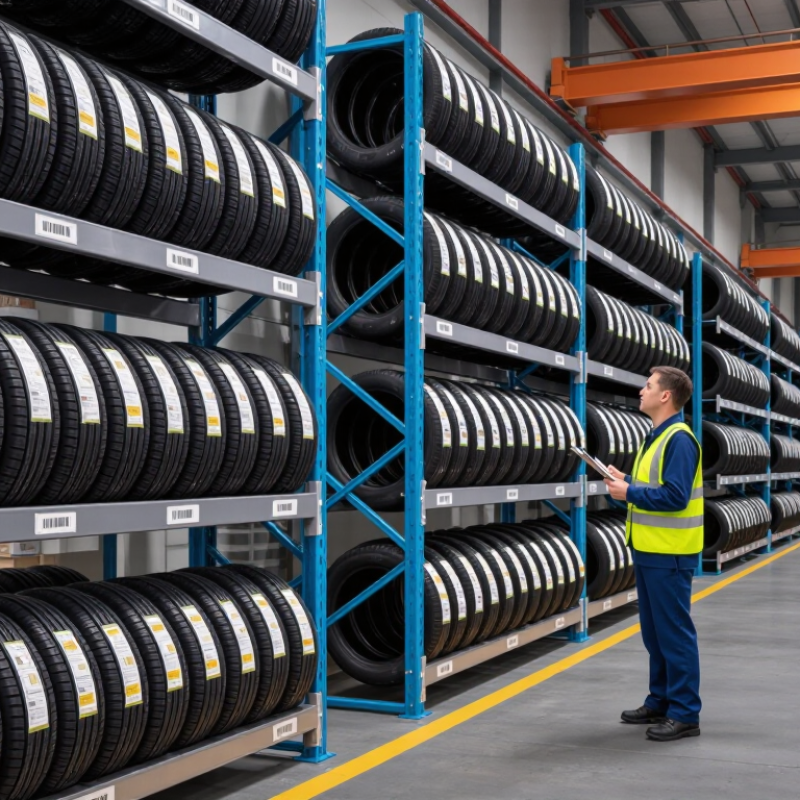
In practice, reliable dealers answer technical questions clearly. They can explain tire specifications, production dates, storage conditions, and delivery procedures. Visit the warehouse when possible. Look for dry flooring, stacked cartons, readable labels, and consistent batch records. I have found that vague answers often matter more than impressive displays. Still, one imperfect website should not decide everything. Some legitimate distributors invest poorly in digital presentation. That is worth remembering.
Tips: Request a recent authorization certificate with the legal company name. Compare it with the seller’s business license and invoice details. Confirm whether authorization covers China sales, export orders, or both. Ask how warranty claims are processed and who pays inspection costs. Avoid unusually low prices without a documented reason. A careful buyer should also record serial numbers, photographs, and signed delivery notes before payment.
How to Find Top China Yokohama Dealers? - Define Authorized Status Using Yokohama’s 2024 ¥1.07T Revenue Report
| Verification Dimension |
Reliable Data Point |
How to Validate It |
Pass Standard |
Weight |
| Official authorization |
A current authorization letter identifies the legal entity, territory, product scope, issue date, expiry date, and issuing contact. |
Confirm the document through an independently obtained official contact channel, not only through contact details printed on the document. |
All key fields are present and independently confirmed. |
30% |
| China legal identity |
A valid Chinese business license contains an 18-character Unified Social Credit Code and a registered business scope. |
Search the entity in China’s National Enterprise Credit Information Publicity System and compare the registered name and address. |
The entity is active, the license details match, and the business scope is relevant. |
20% |
| Product traceability |
Invoices, packing lists, serial numbers, batch codes, and warranty documents should form a consistent product trail. |
Cross-check the seller’s legal entity, product identifiers, shipment records, and warranty terms before payment. |
No mismatch exists between the seller, documents, products, and warranty channel. |
15% |
| Tax and invoicing |
A compliant supplier can issue a valid VAT invoice or fapiao under the same legal entity shown in the quotation and contract. |
Verify the invoice through China’s official VAT invoice verification service and compare the tax identity details. |
Invoice information matches the contracting entity and transaction terms. |
10% |
| Commercial capability |
The supplier provides a stable quotation, documented lead time, after-sales process, stock policy, and escalation contact. |
Request a written quotation, service-level terms, sample documentation, and references that can be independently checked. |
Commercial terms are consistent, specific, and contractually enforceable. |
10% |
| Independent reputation |
Public records show consistent operating history, customer feedback, dispute patterns, and regulatory status. |
Use independent marketplaces, court or regulatory records, trade references, and logistics evidence rather than testimonials alone. |
No material unresolved red flags are identified. |
10% |
| Revenue-report relevance |
A manufacturer’s consolidated annual revenue is a market-scale indicator, not proof that a particular China seller is authorized. |
Use the annual report only for corporate context; verify dealer status through authorization records and legal-entity checks. |
Do not approve a dealer based on revenue figures, website claims, certifications, or company size alone. |
Gate |
|
Recommended decision rule: approve only when official authorization and legal-entity verification pass, with a weighted score of at least 80/100 and no unresolved document mismatch.
|
80/100 |
Screen Dealer Regions Against CAAM’s 2024 31.44M Vehicle Sales
How to Find Top China Yokohama Dealers?
Dealer screening should begin with regional demand, not attractive websites. The China Association of Automobile Manufacturers reported 31.44 million vehicle sales in 2024, up 4.5% year on year. Passenger vehicles represented about 27.56 million units, while commercial vehicles reached nearly 3.87 million. These figures show a broad market, but demand is uneven across provinces and cities.
Compare candidate regions against CAAM’s sales scale, local registration data, logistics access, and workshop density. Large coastal manufacturing and trading areas may offer stronger supplier networks and faster export handling. Inland provinces can provide lower operating costs, yet delivery times may require closer review. The 2024 CAAM report also recorded 12.87 million new-energy vehicle sales. That shift matters because dealers may need technicians trained for changing vehicle systems.
Check the details.
Request twelve months of sales records, warehouse photos, service-bay counts, and export documents. Cross-check their claims with customs statistics and regional transport data. A serious dealer should explain stock turnover, warranty handling, and port routes in clear numbers. I would not rank a dealer by sales volume alone. That approach can overvalue crowded markets and ignore weak after-sales support. My own screening can also be imperfect when provincial data uses different reporting periods. Rechecking the figures before signing remains necessary. Sources: CAAM 2024 Automotive Industry Economic Performance Report and national customs trade statistics.
How to Find Top China Yokohama Dealers? Screen Dealer Regions Against CAAM’s 2024 31.44M Vehicle Sales
China’s total automobile sales reached approximately 31.44 million units in 2024, according to data released by the China Association of Automobile Manufacturers (CAAM). The annual trend below provides a national market benchmark for comparing potential dealer regions without displaying company or brand data.
Verify CCC, DOT, ECE, and ISO 9001 Documents Before Purchasing
A reliable China-based dealer should provide traceable compliance records before discussing price. Ask for the exact CCC certificate number, product model, factory address, and validity period. Confirm the record through China’s official certification database. A certificate covering another factory is not enough.
For United States shipments, verify the tire’s DOT Tire Identification Number and manufacturer registration details. DOT compliance is generally based on manufacturer self-certification, not a universal approval certificate.
For European sales, check the UN ECE approval number, approval category, and matching size markings. The test report must identify the same factory and specification. A clean PDF is only a clue.
ISO 9001 supports process control, but it does not prove road performance. The ISO Survey 2023 reported 1,265,216 ISO 9001 certificates worldwide, so the logo alone has limited value. Check the certification body, accreditation status, audit scope, and expiry date through IAF CertSearch when available.
The UNECE Global Status Report on Road Safety 2023 recorded about 1.19 million road deaths in 2021, making document checks more than administrative work. Request production samples, sidewall photos, batch records, and an independent laboratory report. I would also compare the certificate address with the shipping invoice. Dealers sometimes overlook this detail. I have found that small inconsistencies deserve a second review, even when the documents look professional.
Compare EV-Ready Inventory With CAAM’s 2024 12.87M NEV Sales
China’s NEV market reached 12.87 million sales in 2024, according to CAAM. This figure changes how buyers should assess dealers serving Yokohama. High national volume does not guarantee export-ready stock. It does, however, signal deeper supply chains, faster model turnover, and stronger technical familiarity. The number matters.
When comparing dealers, inspect VIN-level inventory rather than a polished online catalog. Ask for battery chemistry, usable capacity, charging standards, production date, and software language. Request recent photos showing odometer, charge port, warning lights, and tire condition. A reliable dealer should explain warranty coverage, inspection steps, and delivery schedules in writing. Check whether vehicles support local charging equipment and required Japanese documentation. “EV-ready” should mean more than a large battery. It should include tested charging behavior, clear ownership records, and parts access. Small detail, big difference.
CAAM’s 12.87 million figure also deserves careful interpretation. It covers China’s broad NEV market, not every unit suitable for overseas use. Some listings may have restricted software, unfamiliar connectors, or limited after-sales support. I would score each dealer across stock transparency, technical records, export experience, and response speed. Do not reward the lowest quote automatically. Independent inspection remains necessary; online evidence can hide costly gaps. That is an uncomfortable point, but useful. Compare three written offers before placing a deposit, and keep every specification attached to the purchase file.
Rank Dealers by Pricing, Warranty Terms, and Claims Performance
Finding reliable tire dealers in China requires more than comparing online prices. I have reviewed supplier quotations, warehouse records, and customer claim files during purchasing projects. A low quote may exclude delivery, fitting, taxes, or replacement support. Request a complete invoice with every charge listed clearly. Evidence matters.
Rank each dealer with a simple scoring sheet. Give pricing 30 percent, warranty terms 30 percent, and claims performance 40 percent. Claims deserve extra weight because they reveal how a dealer acts after payment.
Ask for anonymized claim statistics from the past twelve months. Check response times, approval rates, inspection procedures, and average settlement periods. A dealer with slightly higher prices may reduce long-term operating costs.
Read the warranty wording carefully. Check mileage limits, storage conditions, manufacturing-defect definitions, and required documents. Confirm whether transport costs are covered during a valid claim. Speak with two recent commercial customers, not only the dealer’s references. Their comments may reveal delayed replies or inconsistent decisions. Claims reveal much. I once ranked a supplier highly because of excellent pricing, but later found unclear replacement rules. That mistake changed my review method. Now I verify promises in writing and compare them with actual claim records. Some evidence remains incomplete, so the ranking should show uncertainty rather than pretend to be perfectly precise.