Contact Us

China Best Tire Speed Rating What Buyers Need to Know?

Choosing the best tire speed rating in China requires more than selecting the highest letter on the sidewall. A speed rating shows the tire’s tested maximum speed under controlled conditions. It does not guarantee safe driving at that speed. The ETRTO Standards Manual 2024 and Michelin’s Passenger Car Tire Technical Data Book both stress correct inflation, load, temperature, and vehicle application. These factors can change real-world performance significantly.

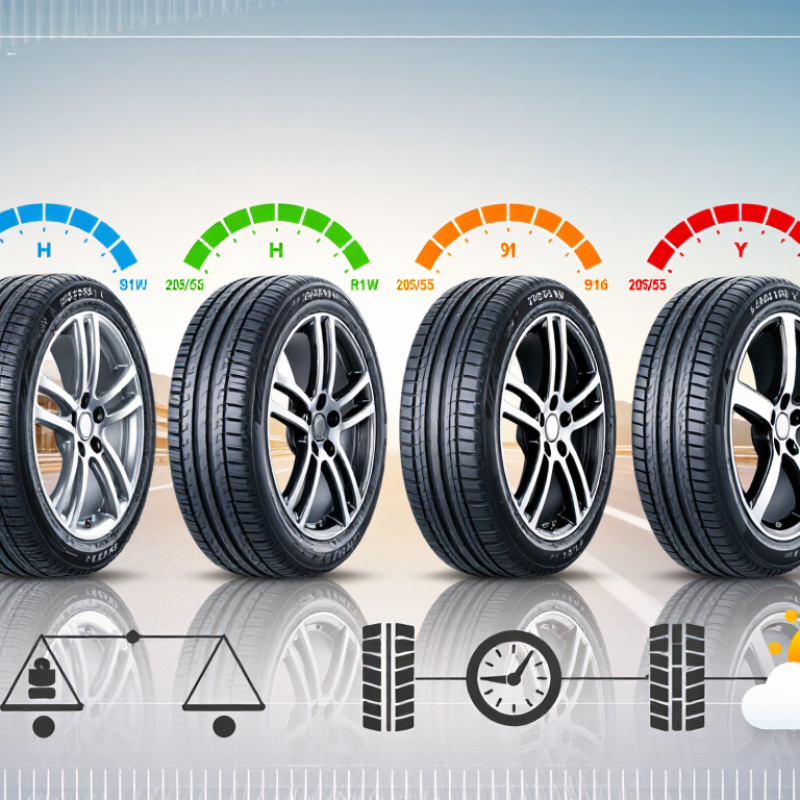
Consider a common marking: 205/55 R16 91V. The letter V indicates a rated speed of 240 km/h, while the number 91 represents load capacity. H typically indicates 210 km/h, and W indicates 270 km/h. However, a higher rating is not automatically better. It may bring firmer handling, higher cost, or reduced ride comfort. The U.S. Tire Manufacturers Association 2024 Factbook also emphasizes fitment, maintenance, and inflation as essential tire safety factors.

China-bound buyers should compare the sidewall marking with the vehicle manufacturer’s specification and applicable Chinese standards, including GB/T 2978 requirements. Supplier documents should identify testing conditions, production dates, certification details, and warranty coverage. Ask for evidence.

A sales chart alone is insufficient.

Some online guides simplify tire speed rating too much. They often ignore heavy cargo, summer heat, rough roads, and uneven inflation. This article examines how Chinese tire manufacturers label ratings, how buyers can verify claims, and when H, V, W, or Y ratings make practical sense. The careful choice is rarely the most impressive letter. It is the rating that matches the vehicle, load, climate, road conditions, and driving habits.
China Best Tire Speed Rating What Buyers Need to Know?

What Tire Speed Ratings Mean in China

In China, a tire speed rating shows the highest speed a tire can sustain under standardized test conditions. You can find it on the sidewall after the load index. For example, 205/55 R16 91V uses “V” as the speed symbol. It indicates a tested limit of up to 240 km/h, when the tire has correct inflation, proper loading, and no damage. That number is not a safe driving target. Road temperature, underinflation, heavy cargo, and worn tread can reduce the safety margin. Numbers matter.

When choosing tires in China, compare the rating with the vehicle placard and owner’s manual, not only with online prices. A lower rating may conflict with the approved specification and can affect handling. A higher rating is not automatically better; comfort, wet-road grip, noise, and cost may change. Check both. The load index matters too, because speed and weight work together. A qualified installer should inspect the sidewall, production date, tread condition, and inflation pressure before fitting. I still think many buyers trust one letter too much. In practice, the rating is only one part of tire performance. Chinese road conditions vary widely, from hot urban pavement to mountain routes and sudden rain. Confirm the complete specification with a trained tire professional.

China Best Tire Speed Rating What Buyers Need to Know? - What Tire Speed Ratings Mean in China

Speed Rating Maximum Rated Speed Approx. mph Common Vehicle Application What Buyers Should Know China Market Consideration
Q 160 km/h 99 mph Light trucks, vans, and some all-terrain applications Suitable only when the vehicle manufacturer allows this rating and the load index is also adequate. Check the vehicle placard, owner’s manual, and applicable operating conditions before purchase.
R 170 km/h 106 mph Passenger cars and crossover vehicles The rating indicates a laboratory-tested speed capability under specified load and inflation conditions. Do not select a lower rating than the original equipment requirement without professional approval.
S 180 km/h 112 mph Family passenger cars and compact SUVs A higher rating may improve steering response, but it does not automatically improve braking or wet-road grip. Consider seasonal temperatures, road surfaces, and typical highway use in the intended region.
T 190 km/h 118 mph Many mainstream passenger cars and SUVs Common for vehicles designed for regular expressway and highway travel. Verify that the replacement tire matches the required size, load index, construction, and speed rating.
U 200 km/h 124 mph Higher-performance passenger cars and SUVs Performance capability depends on correct tire pressure, vehicle loading, alignment, and tire condition. Use the rating specified by the vehicle manufacturer, especially for vehicles with electronic stability systems.
H 210 km/h 130 mph Performance-oriented sedans, SUVs, and crossover vehicles The letter H represents 210 km/h, even though it appears after U in the standard sequence. Confirm the complete sidewall marking because speed rating and load index work together.
V 240 km/h 149 mph High-performance passenger cars High-speed ratings generally require careful attention to inflation pressure, heat buildup, and vehicle loading. For imported or locally assembled vehicles, compare the sidewall marking with the official vehicle specification.
W 270 km/h 168 mph Very high-performance cars Designed for vehicles with demanding handling and speed requirements; not selected solely for appearance. Professional installation, balancing, and regular inspection are especially important.
Y 300 km/h 186 mph Ultra-high-performance passenger cars The rating applies only under specified test conditions and does not authorize driving above legal speed limits. Follow all applicable Chinese traffic laws, vehicle instructions, and tire-service recommendations.
(Y) Above 300 km/h Above 186 mph Specialized ultra-high-performance applications Used for tires whose tested performance exceeds 300 km/h; the exact capability may require additional technical information. Obtain the manufacturer’s technical documentation and confirm compatibility before fitting.
Buyer’s Checklist: Match the tire size, load index, speed rating, construction type, and recommended inflation pressure with the vehicle manufacturer’s requirements. A speed rating is a laboratory performance classification, not a recommended driving speed or a legal speed limit. Actual performance can be affected by tire pressure, vehicle load, tread wear, temperature, road conditions, and maintenance.

How Tire Speed Ratings Are Tested and Assigned

China Best Tire Speed Rating: What Buyers Need to Know?

A tire speed rating comes from controlled testing, not a casual road trial. Technicians mount the tire on a test drum, apply a specified load, and set the correct inflation pressure. The drum then runs at increasing speeds. Test staff monitor heat, vibration, and structural changes. The tire must complete the required endurance period without dangerous failure. Small details matter.

After testing, the tire receives a speed symbol linked to its verified capability under stated conditions. This rating is not a promise for every road situation. Heat, overloading, low pressure, uneven wear, and poor alignment can reduce real-world performance. A higher symbol does not automatically mean better braking or longer tread life. It mainly describes speed capacity.

When checking tires in China, buyers should read the sidewall and compare the speed symbol with the vehicle manual. Ask for clear technical data when a seller makes ambitious claims. Inspect the production information, load rating, and pressure guidance together. A mismatch can create unnecessary risk. Lab testing is reliable, but it cannot copy every rainy road, rough surface, or heavily loaded vehicle. That limitation deserves attention. Even experienced buyers can focus too much on one letter and overlook tire age or condition. Ensure the rating matches the vehicle’s requirements, rather than simply choosing the highest available grade.

China Best Tire Speed Rating: What Buyers Need to Know

How tire speed ratings are tested and assigned

Tire speed ratings indicate the maximum sustained speed a tire can safely carry under standardized laboratory test conditions, with the correct load and inflation pressure. Higher-rated tires are not automatically better for every vehicle; buyers should follow the vehicle manufacturer's approved tire size, load index, and speed rating. Actual road performance may vary with temperature, tire condition, vehicle load, inflation, and maintenance.

Maximum speed values shown in km/h follow commonly used passenger-tire speed-rating tables. The “ZR” designation may apply to tires designed for speeds above 240 km/h, while the specific rating should be checked on the tire sidewall.

Common Speed Ratings Found on China-Made Tires

China Best Tire Speed Rating: What Buyers Need to Know?

Common speed ratings on China-made tires include S, T, H, V, W, and Y. Under UNECE Regulation No. 30, these ratings correspond to 180, 190, 210, 240, 270, and 300 km/h. The letter appears on the sidewall beside the load index. A tire marked 205/55 R16 91V, for example, has a rated speed of 240 km/h under specified test conditions. It does not mean drivers should reach that speed.

Independent testing matters. The 2024 U.S. Tire Manufacturers Association guidance explains that speed ratings reflect heat resistance, handling, and durability at controlled loads. Higher ratings usually use stronger belt materials and different tread compounds. Many China-made passenger tires use T or H ratings for family sedans and compact SUVs. V-rated options are also common for vehicles requiring sharper highway stability.

Real roads are less friendly. Underinflation, heavy luggage, high temperatures, and worn tread can reduce performance. A tire may carry the correct letter yet feel vague during sudden lane changes. I have seen buyers focus on price and ignore the load index. That is a mistake. Check the vehicle placard, not only the original tire. Also, the tire’s rating can be affected by its condition. Standards are useful, but they are not magic.

How to Match a Tire Speed Rating to Your Vehicle

China Best Tire Speed Rating: What Buyers Need to Know?

Matching a tire speed rating to your vehicle starts with the driver’s door placard. Check the required tire size, load index, and speed symbol. The speed symbol is usually a letter, such as H, V, or W. It indicates the tire’s tested speed capability under controlled conditions. It is not a safe speed target for public roads. Follow posted limits and road conditions.

Never choose a lower speed rating than the vehicle manufacturer specifies. A higher rating may work, but it can change ride comfort, steering response, and price. The load index must also meet the required level. A high speed rating cannot compensate for insufficient load capacity. Keep all four tires matched when possible. Mixed ratings may affect handling, especially during emergency braking or wet cornering.

Think about your real driving environment. A family vehicle used on crowded city streets rarely needs performance-focused tires. A vehicle carrying heavy luggage needs careful load matching. Cold weather also matters, because some seasonal tires use different ratings. Ask a qualified tire professional to check the placard, handbook, tire condition, and wheel compatibility. Do not rely only on an online product label. I have found that buyers often focus on the letter and overlook the load index. That small oversight can weaken an otherwise suitable tire choice. Recheck the tire pressure when the tires are cold.

What Buyers Should Check Before Choosing China Tires

China Best Tire Speed Rating: What Buyers Need to Know

Before choosing China tires, check the complete sidewall marking, not only the price. A marking such as 215/55 R17 98W shows size, load index, and speed rating. The letter W indicates a tested speed category, but it is not permission to drive at that speed. Match the vehicle maker’s requirement or choose a suitable higher rating. Do not guess. A lower rating may affect handling, heat control, and insurance acceptance in some markets.

Inspect the load index as carefully as the speed symbol. A passenger vehicle carrying five people and luggage needs enough load capacity on every tire. Ask for test information covering wet braking, durability, noise, and rolling resistance. Request the production date and certification markings required in your destination market.

Check the four-digit date code, such as 2425, which means the 24th week of 2025. Check the date.

Storage also matters. Tires kept outdoors under strong sunlight can age before installation. Look for cracks, flattened sections, uneven surfaces, or damaged beads. The seller should provide a clear warranty, traceable product records, and fitting guidance.

In practical inspections, I have seen buyers focus on tread depth while ignoring old stock and incorrect inflation advice. That is an expensive oversight. Tire performance can also change with vehicle alignment, road temperature, and driving load. Ask who will handle a warranty claim. A confident answer is useful; vague promises deserve reflection.