Wet roads can change a familiar commute in seconds. A thin film of water softens steering response, while deeper puddles can make a tire lose contact with the pavement. That is why choosing wet weather tires involves more than checking a label or spotting deep grooves. Tread design, rubber compound, braking performance, and vehicle fit all matter.
Independent tire tester Jonathan Benson of Tyre Reviews has highlighted a practical point in his wet-weather testing: “Wet grip is about more than tread depth.” This is a concise paraphrase of the testing principle, not a verbatim quotation. It reflects an important distinction: channels help move water away, but the tire’s compound and construction also affect traction. Small details matter. A worn shoulder or uneven pressure can change how a vehicle behaves on a rain-soaked turn.
This guide compares the leading types of wet weather tires expected to matter in 2026, including dedicated rain-focused designs, all-season options, and performance tires built for wet roads. It will explain where each type may suit drivers, what trade-offs to consider, and how to assess published test results. No tire removes the risk of hydroplaning. Even a highly rated model needs adequate tread, correct inflation, and sensible speed. That part is easy to overlook. Testing conditions also vary, so rankings should be treated as useful evidence, not a universal promise.
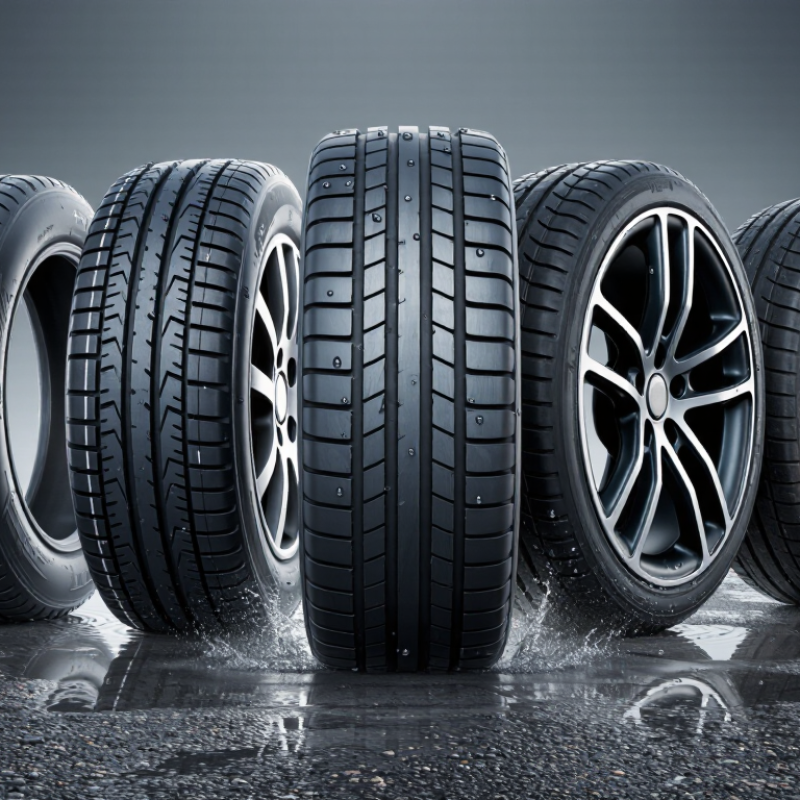
In 2026, wet-weather tire choices generally fall into three useful categories: grand touring, performance, and severe-weather all-season designs. Grand touring tires suit daily driving and long commutes. Their broad grooves move standing water away from the contact patch. Performance tires often use silica-rich compounds for sharper wet-road grip. Severe-weather all-season tires add deeper channels and flexible tread blocks for rain, slush, and cooler temperatures.
Tread design matters more than aggressive-looking patterns. Wide circumferential grooves help prevent water from building under the tire. Smaller lateral grooves create extra escape paths near the shoulders. Dense sipes can improve traction on cold, damp pavement. However, too many sipes may reduce steering stability. There is always a compromise.
Rubber compound is equally important. A compound that stays pliable around 7°C can maintain contact on chilly rain-soaked roads. Look for strong wet-grip testing, consistent tread depth, and a reputable certification process. My practical check is simple: inspect the grooves after heavy rain. If they appear packed with mud or worn smooth, performance may change quickly. Tire pressure also matters. Underinflation can distort the tread and weaken water evacuation. I have seen drivers blame tire design when pressure was the real problem. No tire prevents every skid. Speed, road texture, tread wear, and sudden steering still decide how much grip remains.
| Wet-Weather Tire Type | Typical Driving Use | Wet-Grip Potential | Tread and Compound Features | Hydroplaning Resistance | Dry-Road Behavior | Cold-Weather Limitations | Best Choice For |
|---|---|---|---|---|---|---|---|
| Grand Touring All-Season | Daily commuting, highway travel, and mixed weather throughout the year. | Silica-enhanced rubber compounds, multiple circumferential grooves, wide lateral channels, and dense siping help maintain contact on wet pavement. | High when the tread has open water channels and sufficient remaining tread depth. | Stable and comfortable, with predictable cornering rather than sharp track-focused response. | Suitable for moderate cold, but performance decreases on ice, packed snow, and severe winter surfaces. | Drivers who want balanced wet traction, comfort, mileage, and year-round versatility. | |
| Standard Touring All-Season | Urban driving, family vehicles, compact cars, and moderate-speed road trips. | Continuous or semi-continuous center ribs, rounded shoulder blocks, circumferential grooves, and flexible tread elements improve water evacuation. | Medium to high, depending on groove design, tread depth, speed, and water volume. | Quiet, smooth, and easy to control, with moderate steering response. | Not intended for prolonged driving on deep snow or ice. | Everyday drivers prioritizing dependable rain performance and ride comfort. | |
| Max Performance Summer | Warm-weather performance cars and drivers seeking strong cornering response in rain and dry conditions. | Specialized wet-grip polymers, high-silica compounds, rigid tread blocks, broad circumferential grooves, and optimized lateral channels support cornering grip. | Medium to high; water evacuation depends heavily on the specific tread pattern and remaining tread depth. | Excellent steering precision, braking response, and dry-road cornering in warm conditions. | Not designed for freezing temperatures, snow, or icy roads; the compound can become less flexible in cold weather. | Performance-oriented drivers who need strong warm-weather wet and dry handling. | |
| Ultra-High-Performance All-Season | Sport sedans, crossovers, and drivers who want responsive handling without using a dedicated summer tire. | Directional or asymmetric grooves, large shoulder blocks, interlocking sipes, and a balanced compound combine wet traction with steering stability. | Medium to high, with performance varying according to tread design and vehicle speed. | Sharper response and stronger cornering than touring all-season tires, often with a firmer ride. | Provides limited cold-weather flexibility but is not a substitute for a severe-snow-rated winter tire. | Drivers who value sporty handling while retaining broader seasonal usability. | |
| Dedicated Winter Tire | Cold climates with snow, slush, freezing rain, and temperatures regularly below 7°C (45°F). | Cold-flexible compounds, numerous fine sipes, open grooves, biting edges, and tread designs intended to clear slush and water. | High in slush and cold rain when the tread is properly maintained. | Less precise and generally softer on warm, dry pavement; increased tread movement may affect handling. | Performance and tread wear can suffer in warm weather, so seasonal changeover is recommended when conditions require it. | Drivers in regions where low temperatures, snow, and slush are common. | |
| All-Weather Severe-Snow-Rated | Drivers seeking one set of tires for rain, moderate snow, and changing seasonal conditions. | Rain-oriented grooves combined with flexible compounds, dense siping, and a severe-snow-rated tread pattern improve wet and winter versatility. | High in rain and slush when grooves remain open and the tire is correctly inflated. | Usually more stable in warm conditions than a dedicated winter tire, but less sporty than a summer or performance all-season tire. | May not match a dedicated winter tire on deep snow, glare ice, or prolonged sub-freezing roads. | Drivers with variable weather who prefer year-round convenience over maximum seasonal performance. | |
| Touring Summer | Warm-weather commuting, touring, and highway driving in regions without winter conditions. | Summer-focused rubber compounds, continuous water-evacuating grooves, stable center ribs, and moderate siping provide wet-weather control. | Medium to high under warm, rainy conditions. | Comfortable and efficient, with more precise response than most basic all-season designs. | Should not be used in snow or near-freezing conditions because the compound loses flexibility. | Drivers in warm climates who want efficient touring performance and reliable rain grip. |
Important: Actual wet-road performance depends on tire size, tread depth, inflation pressure, vehicle condition, road temperature, water depth, and driving speed. A tire with less than approximately 1.6 mm of tread depth should be replaced, and earlier replacement may be appropriate when wet-weather performance has noticeably declined.