Many drivers choose four season tires because they promise one practical solution for changing weather. These tires are designed to handle dry pavement, rain, light snow, and moderate temperature shifts. They can save drivers from seasonal tire changes and extra storage costs. However, their convenience has limits. The label sounds more capable than it sometimes is.
A qualified tire technician will usually inspect tread depth, rubber aging, pressure, alignment, and driving conditions before recommending them. On a wet highway, good four season tires can provide stable steering and shorter braking distances than worn tires. In a cold morning parking lot, however, their rubber may become less flexible. Deep snow and icy hills create a different challenge. Look for the Three-Peak Mountain Snowflake symbol when severe winter performance matters. The symbol does not make a tire invincible.
The real question is not whether these tires are good. It is whether they match your roads, climate, vehicle, and driving habits. A driver in a mild coastal city may find them highly worthwhile. Someone crossing snowy mountain passes may need dedicated winter tires instead. Manufacturer testing, independent reviews, and advice from a reputable tire professional provide stronger evidence than advertising alone. Personal judgment still matters. A quiet ride can feel reassuring, yet braking performance deserves more attention. The answer is not neat. Four season tires can be economical and dependable, but only when their compromises are understood before the next storm arrives.
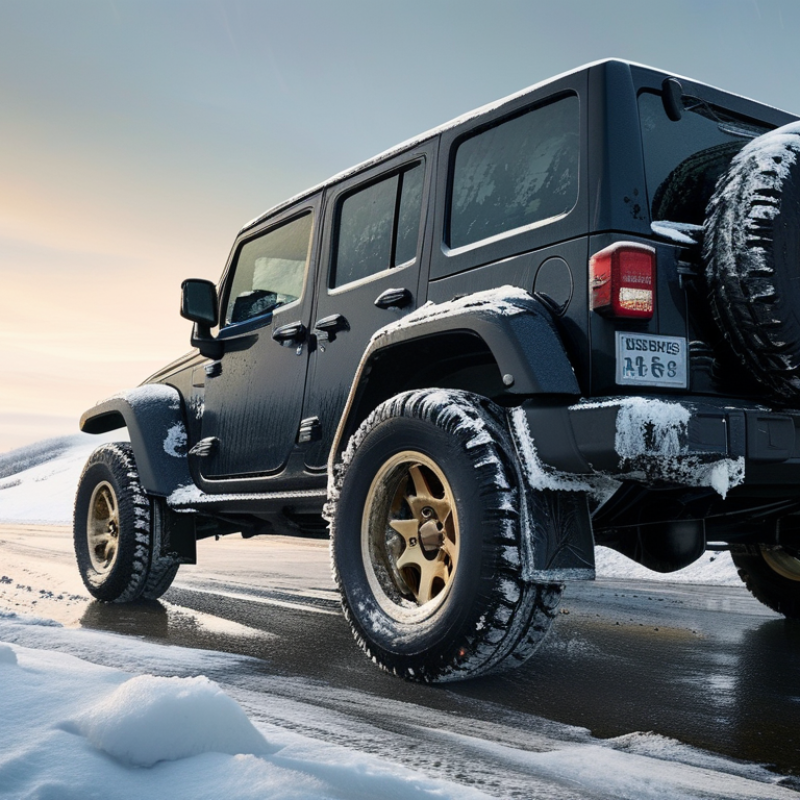
Four-season tires, often called all-season tires, are designed for moderate weather across spring, summer, autumn, and mild winter. Their rubber compound stays flexible across a wider temperature range than typical summer tires. Tread grooves move rainwater away, while smaller sipes provide limited grip on light snow. They are practical for drivers who face wet roads, dry pavement, and occasional frost. They are not magic.
The U.S. Tire Manufacturers Association’s Tire Information and Safety Guide recommends checking tire pressure monthly and before long trips. It also identifies 2/32 inch as the replacement tread-depth point, when traction can deteriorate sharply. Four-season tires may still perform safely beyond that limit, but aging, uneven wear, and low pressure change the result. I have seen a tire look healthy outside while its inner shoulder was nearly smooth. That detail matters.
For frequent snow or temperatures below about 7°C, a tire marked with the Three-Peak Mountain Snowflake symbol is more appropriate. Transport Canada’s winter-tire guidance explains that winter compounds remain more flexible in cold conditions, while conventional all-season compounds can harden. A four-season tire is therefore a compromise, not a universal solution. It can reduce seasonal tire changes, yet it may offer less braking control on packed snow and less steering precision during hot summer driving. Weather records, road elevation, driving habits, and inspection quality should influence the choice. The label helps, but it cannot replace judgment.
| Category | What Four-Season Tires Offer | Practical Consideration |
|---|---|---|
| Definition | “Four-season tire” is commonly used to describe a tire designed for year-round driving in a broad range of conditions. The term is often used interchangeably with “all-season tire,” although naming is not completely standardized. | Check the tire’s specifications and markings rather than relying on the name alone. |
| Typical Weather Range | Suitable for dry roads, wet roads, mild cold, and occasional light snow in many regions. | Performance depends on the tread design, rubber compound, vehicle, road surface, and local climate. |
| Dry-Road Handling | Generally good Provides predictable handling and braking for normal everyday driving. |
Dedicated summer tires usually provide sharper steering response and stronger warm-weather grip. |
| Wet-Road Performance | Generally good Grooves and tread channels help move water away from the contact area and reduce the risk of hydroplaning. |
Correct inflation and sufficient tread depth are essential. A worn tire can lose wet-weather performance significantly. |
| Cold-Weather Performance | Moderate Designed to remain usable in cool conditions, but the rubber compound may become less flexible as temperatures fall. |
They are not automatically equivalent to dedicated winter tires in freezing conditions. |
| Snow and Ice | Limited to moderate Some models handle light snow, while others are available with a Three-Peak Mountain Snowflake marking for certified severe-snow service. |
For frequent heavy snow, packed snow, or icy roads, dedicated winter tires generally provide more traction and control. |
| Severe-Snow Marking | The Three-Peak Mountain Snowflake symbol indicates that the tire has met a standardized performance requirement for severe-snow conditions. | The marking does not mean the tire is an ice tire or that it will perform identically to a dedicated winter tire. |
| Ride Comfort | Usually comfortable The tread and construction are commonly tuned for quiet, balanced daily driving. |
Ride quality varies with tire construction, sidewall height, vehicle suspension, and road conditions. |
| Fuel Efficiency | Moderate to good Rolling resistance can be lower than that of some aggressive winter tires. |
Actual fuel consumption is also affected by tire pressure, vehicle load, speed, alignment, and driving style. |
| Convenience | High One set can be used throughout the year, eliminating seasonal tire changes and storage. |
This convenience is most valuable where winters are mild and severe snow or ice is uncommon. |
| Longevity | Can provide practical year-round service when properly maintained and used within the tire’s intended conditions. | Regular rotation, correct inflation, wheel alignment, and timely replacement help maximize service life. |
| Best Choice For | Drivers in areas with mild winters, occasional light snow, moderate annual mileage, and mostly maintained roads. | They are often a sensible balance of cost, convenience, comfort, and everyday performance. |
| Less Suitable For | Drivers who regularly face deep snow, frequent ice, steep snowy roads, very low temperatures, or demanding high-performance driving. | A summer-and-winter tire combination may provide more specialized performance in these conditions. |
| Are They Worth It? | Often yes They can be worth the cost when year-round conditions are moderate and convenience is a priority. |
They may not be the best value if winter weather is severe, because the added safety and traction of dedicated winter tires can be more important than avoiding seasonal changes. |
Four-season tires, often called all-season tires, are built for changing weather rather than one extreme season. Their rubber compound stays reasonably flexible in cool conditions, while the tread channels move rain away from the contact patch. On dry roads, they usually provide stable steering and predictable braking. During heavy rain, however, tread depth and inflation pressure become critical. The U.S. Tire Manufacturers Association recommends checking pressure monthly, because underinflation can reduce handling and increase heat buildup.
Light snow is manageable for many four-season tires, but packed snow and ice expose their limits. The Federal Highway Administration reports that about 21% of vehicle crashes are weather-related, with wet pavement and winter conditions creating major risks. Four-season tread grooves can bite through shallow snow, but they cannot match the softer compound and deeper siping of dedicated winter tires. Below roughly 45°F, winter-focused rubber generally remains more flexible, according to guidance from the tire industry.
That compromise is easy to underestimate. A tire may feel secure on a wet autumn road, then slide sooner on a frozen hill. I would not treat the “four-season” label as a winter guarantee. Drivers in mild climates may find one set practical, especially with regular pressure checks and slower speeds during storms. In regions with frequent ice, deep snow, or mountain travel, seasonal tire changes deserve serious consideration. Even the best tread cannot replace clear visibility, gentle braking, and enough following distance.
Four-season tires, often called all-season tires, are designed for moderate weather. Their tread balances dry-road stability, wet braking, comfort, and occasional snow. They are not true winter tires. The rubber compound can become less flexible in freezing temperatures.
AAA’s 2019 winter-driving evaluation found winter tires provided 25% to 50% more traction than all-season tires on snow and ice. That difference matters when turning onto a frozen street or stopping near a crosswalk. Four-season tires still work well in mild climates, especially where snow disappears quickly. They also avoid seasonal tire changes and storage costs. That convenience is real. However, the compromise is easy to underestimate. In hot weather, their tread may wear faster than specialized summer designs. In deep snow, they can lose grip sooner than expected. The U.S. Tire Manufacturers Association recommends checking tire pressure monthly, because pressure typically falls as temperatures drop. That small detail affects steering and braking.
Tips: Check the sidewall for the three-peak mountain snowflake symbol when winter performance matters. Measure tread depth before the rainy season. Replace tires with uneven wear, cracks, or repeated pressure loss. Match all four tires whenever possible. A vehicle with four-season tires may feel secure on a dry January morning, yet still slide on polished ice. Local temperature, snowfall, driving distance, and road maintenance should guide the decision, not the label alone.
Four-season tires, often called all-season tires, are designed to work across changing weather. Their rubber compound stays reasonably flexible in cool conditions, while the tread handles warm pavement and light rain. They are not a perfect answer. The compromise is real.
Compared with summer tires, four-season tires usually offer less sharp steering and braking on hot, dry roads. Summer compounds and tread patterns are built for warm temperatures, so they can feel more planted during fast cornering. Four-season tires may feel softer, especially when the pavement reaches high temperatures. That difference matters. In exchange, they provide broader everyday usability and better tolerance for mild cold.
Winter tires use softer rubber and deeper biting edges. These features improve grip on packed snow, ice, and cold roads, often below about 7°C. Four-season tires can manage occasional frost or light snowfall, but their stopping distance may increase on steep, untreated streets. A practical test is simple: check the tire’s severe-snow marking, tread depth, and pressure before winter arrives. Do not judge performance from appearance alone. I have found that drivers often expect “all weather” to mean “all conditions,” which is an understandable mistake. Climate should guide the choice. In moderate regions, four-season tires can reduce seasonal changes and storage needs. In areas with frequent snow, dedicated winter tires remain the more dependable option.
Four-season tires, often used interchangeably with all-season tires, are designed to provide balanced performance across dry, wet, and mildly cold conditions. The chart compares typical design priorities rather than brand-specific laboratory test results.
Rating scale: 1 = limited suitability, 5 = strongest suitability. Summer tires generally provide the best warm-weather handling, winter tires are optimized for snow and cold temperatures, and four-season tires offer the broadest compromise for drivers who experience moderate seasonal changes.
Four-season tires can suit drivers who face mild winters, regular rain, and mostly paved roads. They combine features for dry handling, wet braking, and occasional light snow. However, they are not a complete replacement for dedicated winter tires in severe conditions.
I have driven on this type of tire through cool mornings, heavy rain, and thin snow. The steering felt predictable on wet streets, while the tread remained reasonably quiet on highways. That convenience matters for drivers who dislike seasonal tire changes. It also reduces storage concerns. Still, performance can change quickly when temperatures fall well below freezing. Rubber becomes harder, and grip may decline before the road looks dangerous.
Think about your normal route, not your rare holiday trip. A driver in a mild coastal area may find four-season tires practical and economical. Someone climbing icy hills each morning needs stronger winter traction. Check the tire’s certified markings, tread depth, air pressure, and age before deciding. A fresh, properly inflated tire can perform better than an older premium-looking option. That is easy to overlook.
Weather patterns are becoming less predictable in many regions. This complicates the choice. Four-season tires may handle mixed conditions, but no tire removes the need for slower speeds and greater following distance. Their value depends on local temperatures, snowfall, driving habits, and emergency tolerance. My own judgment is cautious: they are a sensible compromise, not a universal answer.