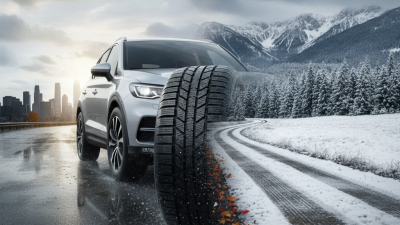
How to Choose the Best Ice Tires for Winter Driving?
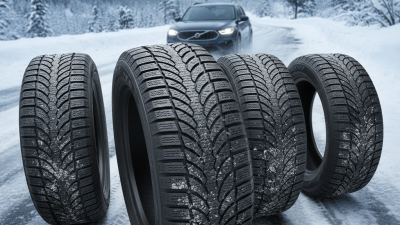
Choosing the right ice tires can significantly enhance your winter driving experience. According to Greg Thompson, a renowned expert in the tire industry, "Investing in quality ice tires can be a game-changer for safety on icy roads." His insight emphasizes the need for careful selection.
When temperatures plummet and roads become treacherous, the importance of appropriate ice tires cannot be overstated. Not all tires are created equal, especially under icy conditions. Features like tread design and rubber composition play crucial roles in tire performance. Additionally, understanding specific weather climates will guide your choice.
Many drivers overlook the unique demands of winter driving. A set of dependable ice tires can make the difference between a safe arrival and a dangerous trip. Prioritizing your requirements is key. Are you seeking durability, traction, or comfort? Recognizing these factors will lead you to the best options for your winter needs.
Understanding the Importance of Ice Tires for Winter Safety
Choosing the right ice tires is crucial for winter driving safety. A study by the National Highway Traffic Safety Administration (NHTSA) shows that over 60% of winter accidents occur on icy roads. Ice tires provide enhanced traction, reducing stopping distances significantly. They are specifically designed with special rubber compounds and tread patterns that remain flexible in extreme cold. This flexibility improves grip on slippery surfaces.
When selecting ice tires, consider the tread depth; deeper treads can displace more water and slush. A report from the Tire and Rubber Association indicates that tires with at least 6/32" tread depth improve performance on icy surfaces.
Tips for getting the best performance from your ice tires include checking tire pressure regularly. Cold temperatures can reduce air pressure in tires, affecting performance. Aim for optimal pressure as stated in your vehicle's manual. It’s also essential to avoid speeding. Ice can be deceptive, and even a slight increase in speed can lead to loss of control.
Proper registration of tire age is important too. Tires older than five years may lose effectiveness, even if tread looks good. Regularly reviewing and replacing your tires can ensure maximum safety during winter months.
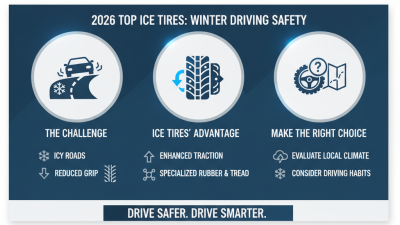
Winter Driving Safety: Comparison of Ice Tire Performance
Types of Ice Tires: Studded vs. Non-Studded Options
Choosing the right ice tires can significantly impact winter driving safety. When considering ice tires, the two primary types are studded and non-studded options. Each has its advantages and limitations, which affect performance on icy roads.
Studded tires offer exceptional traction on ice due to metal studs embedded in the rubber. They can reduce stopping distances by up to 30% on icy surfaces, according to studies by the Tire and Rubber Association. However, they can cause increased wear on dry roads, leading to a trade-off in milage and road damage. In some regions, their use is regulated.
Non-studded tires utilize specialized rubber compounds and tread designs for improved grip. They can perform well in various winter conditions, including snow and slush. Many drivers prefer them for their versatility; they can offer solid handling on both wet and dry surfaces. Still, they may not match the biting grip of studded options in extreme ice conditions. Experts suggest considering local weather conditions and driving habits when making a decision on tire selection, as each option carries unique risks and benefits.
Key Features to Consider When Choosing Ice Tires
Choosing the right ice tires is essential for safe winter driving. To make an informed decision, consider several key features. Tread patterns play a significant role. Look for deep grooves and aggressive designs. These help with traction on ice and snow. Additionally, softer rubber compounds are crucial. They stay flexible in cold temperatures, enhancing grip.
Another important aspect is studded versus studless tires. Studded tires offer excellent traction on ice but may not perform well on dry roads. On the other hand, studless tires provide better control in various winter conditions. They often utilize advanced technologies for better performance. Noise level is another consideration. Studded tires can be loud, which might be bothersome on long drives.
Pay attention to the size and compatibility with your vehicle. Proper size ensures optimal performance. Check your vehicle manual to determine the specifications. Some tires may seem appealing but may not fit your needs. Lastly, consider the price point. High-quality tires can be an investment, but cheap alternatives may compromise safety. Balancing cost and quality is vital for winter safety.
Assessing Tire Performance: Tread Patterns and Rubber Compounds
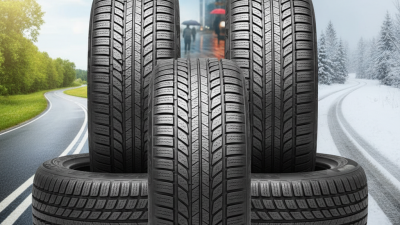
When selecting ice tires for winter driving, tread patterns and rubber compounds are pivotal. The tread pattern determines how tires grip the road. Deep grooves, widely spaced lugs, and specific shapes enhance traction on icy surfaces. Hydrophilic designs help channel water away, minimizing hydroplaning risks. Consider how these patterns affect both initial grip and sustained performance.
Rubber compounds significantly impact tire flexibility and grip under cold conditions. Softer compounds remain pliable, increasing surface contact with the road. This adaptability can make a difference in treacherous weather. However, softer tires may wear out quicker on dry pavement. Finding the right balance between durability and grip is essential.
Evaluate performance through real-world testing. Reviews can provide insights, but personal experience is crucial. No tire performs equally on every surface. Some may excel in fresh snow but falter on ice. Reassessing choices after a season can lead to better decision-making. Understand the trade-offs involved, and prioritize what matters for your driving needs.
Maintenance Tips for Optimal Ice Tire Performance in Winter
Maintaining ice tires is crucial for safe winter driving. Regular inspections can prevent unexpected failures. Check the tread depth frequently. A minimum of 4mm is ideal for ice traction. Inspect for visible damage and replace worn tires promptly.
Proper inflation is also essential. Cold weather can decrease tire pressure. Low pressure can hinder performance. Use a pressure gauge regularly to ensure each tire is adequately inflated. Remember, under-inflated tires may lead to instability on icy roads.
Rotation should not be overlooked. Rotate tires every 5,000 to 7,500 miles. This promotes even wear and extends their lifespan. Pay attention to handling changes during winter. If your vehicle feels different, inspect your tires. Adjustments may be needed for optimal handling. These steps may seem tedious but ensure safety on slippery roads. Reflect on your winter driving habits. Maintain awareness and stay prepared.
How to Choose the Best Ice Tires for Winter Driving?
| Tire Type |
Tread Design |
Grip Performance |
Durability |
Noise Level |
Price Range |
| Studded Tires |
Aggressive Pattern |
Excellent |
High |
Moderate |
$100 - $200 |
| Studless Tires |
Directional or Symmetrical |
Good |
Moderate |
Low |
$90 - $180 |
| All-Weather Tires |
Versatile Pattern |
Fair |
Good |
Moderate |
$80 - $160 |
| Performance Winter Tires |
Optimized for Snow |
Very Good |
High |
Moderate |
$120 - $220 |