Top China Best Tires for Global Buyers in 2026 Guide?
In the evolving world of automotive needs, the demand for high-quality tires grows steadily. Understanding the best tires available from Chinese manufacturers is crucial for international buyers. This guide highlights the top choices for 2026, focusing on quality, durability, and performance.
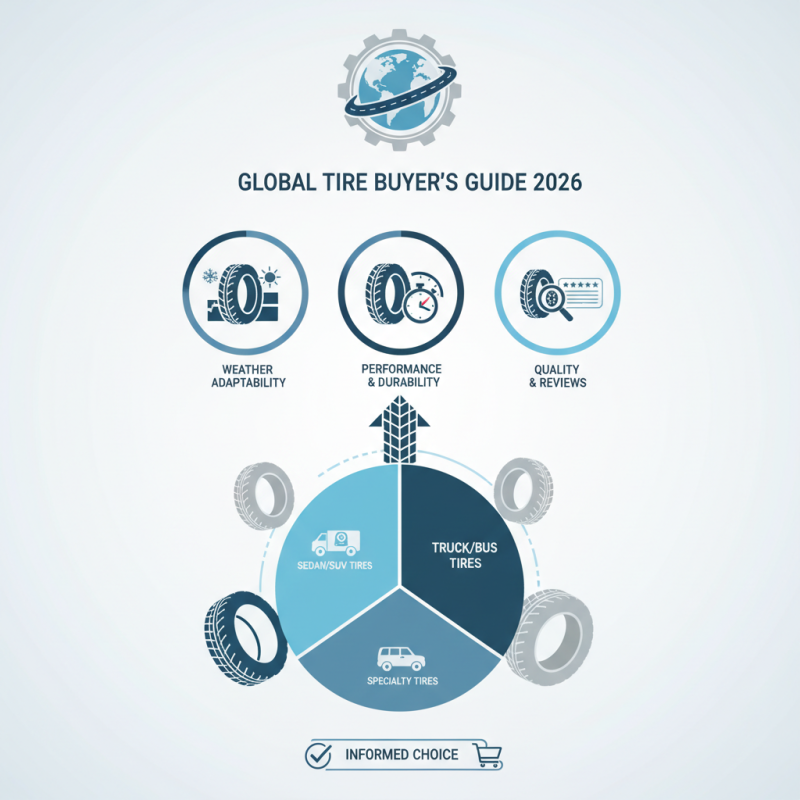
The tire market offers various options, but not all are created equal. Chinese manufacturers are gaining recognition for producing reliable, affordable products. Global consumers must remain vigilant about the specifications that matter most. They should consider tire tread, weather adaptability, and longevity to make informed decisions.
Evaluating the best tires requires more than just brand recognition. Tires must meet specific driving conditions and vehicle types. Some products claim to excel in all areas, yet they may fall short. Therefore, buyers should research user feedback and expert opinions. This can help in making responsible choices that align with their needs and expectations.
Overview of the Tire Industry in China for Global Buyers in 2026
The tire industry in China is undergoing significant changes as we approach 2026. With an estimated market size of over $38 billion by 2025, China is a crucial player globally. Reports indicate a compound annual growth rate (CAGR) of about 6.5% from 2021 to 2026. This growth is driven by innovation and an increasing demand for high-quality tires, particularly in emerging markets.
The rise of electric vehicles (EVs) is reshaping tire specifications. By 2026, over 25% of vehicles produced in China are expected to be electric. This shift necessitates tires that meet unique requirements for weight, durability, and performance. Many manufacturers are investing in sustainable materials to adapt to these changes.
Despite this growth, challenges remain. Manufacturers must address quality control issues while also navigating an increasingly competitive landscape. Furthermore, global buyers should be cautious of variations in production standards. Understanding the local market and regulatory landscape can enhance collaboration. This insight is vital for making informed purchasing decisions as the industry evolves.
Key Features to Look for in Tires from China
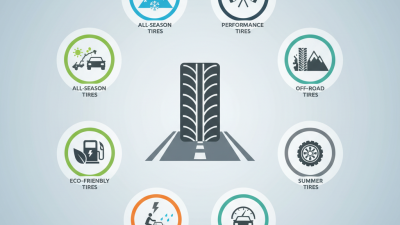
When searching for tires from China in 2026, buyers should consider essential features. Quality is pivotal. Look for tires with durable rubber compounds. These enhance both performance and lifespan. A good tire should also offer strong grip. This ensures safety and stability on various road surfaces.
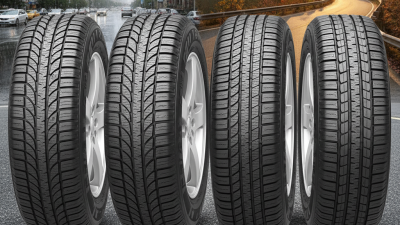
Another key feature is efficient fuel economy. Tires designed with low rolling resistance can significantly reduce fuel consumption. Many manufacturers focus on this aspect, appealing to eco-conscious consumers. Check the tread design as well. An effective pattern improves water drainage, reducing the risk of hydroplaning.
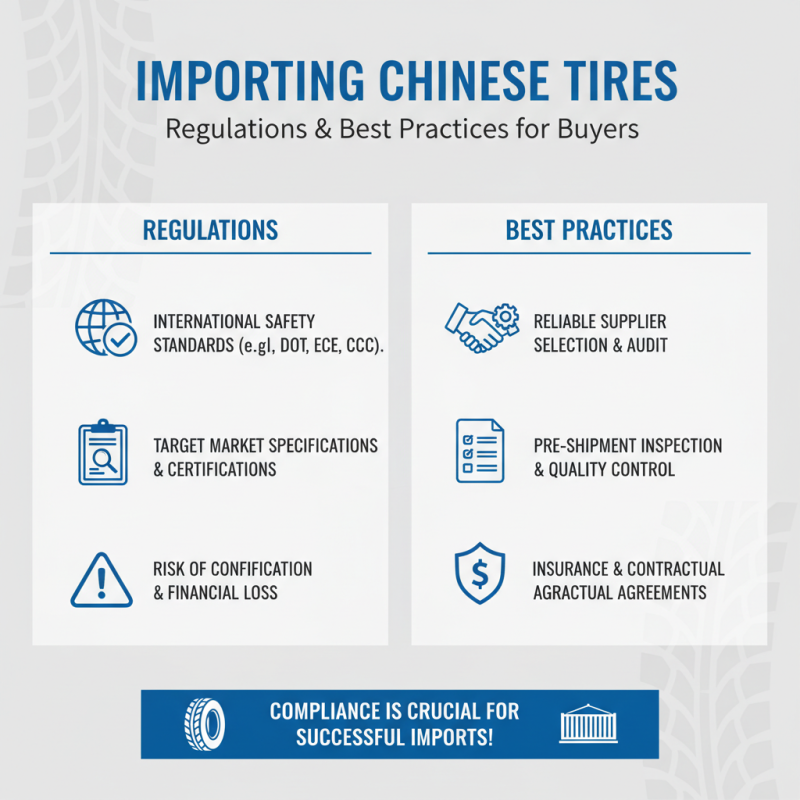
Buyers may need to navigate challenges in quality assurance. Some products may not meet international standards. Researching suppliers and reading reviews can mitigate risks. Transparency in manufacturing processes is a positive sign. A company that shares its testing results instills trust. However, remember that not all advertised features guarantee superior performance. Continuous evaluation and selection are crucial.
Top Chinese Tire Brands and Their Global Reputation
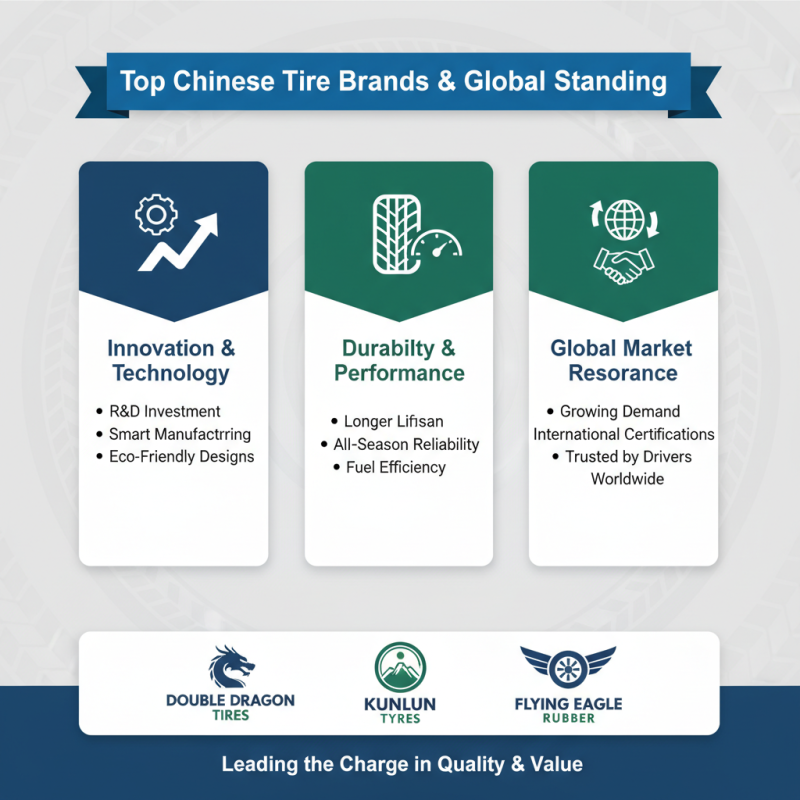
As global demand for quality tires continues to rise, Chinese tire brands are making significant strides in international markets. The innovation and technology in these brands have attracted many buyers. These tires are known for their durability and performance, which resonate well with consumers across various regions.
However, while the reputation of Chinese tire brands is improving, some challenges persist. Issues related to quality control and consistency have been reported. Buyers need to be cautious and conduct thorough research. It's essential to evaluate product reviews and performance ratings to ensure the right choice.
Additionally, the landscape of the tire industry is evolving. More companies are focusing on sustainable practices and eco-friendly materials. This shift reflects a broader commitment to environmental responsibility that global consumers value. Engaging with suppliers and understanding the production processes can enhance trust and reliability.
Consumer Reviews and Ratings of Chinese Tires in 2026
The landscape of tire manufacturing in China continues to evolve, capturing the interest of global buyers. In 2026, numerous consumer reviews highlight the performance, durability, and affordability of Chinese tires. Many drivers report confidently choosing these options for daily commutes and long road trips alike. Yet, while some enthusiasts praise their quality, others express concerns about inconsistencies. Not every tire meets the highest standards, leading to mixed evaluations.
Online platforms are flooded with user-generated ratings that reflect a diverse range of experiences. Some consumers appreciate the fuel efficiency and grip in various weather conditions. However, a notable number of users mention unexpected wear and noise issues. It's essential to weigh these factors before making a purchase. Real-world tests and peer feedback are proving valuable in navigating these choices. Tire shopping can feel overwhelming, but understanding consumer insights plays a key role in finding the right fit.
Top China Best Tires for Global Buyers in 2026