What Are the Top Types of Track Tires in 2026?
Choosing the right track tires in 2026 means matching grip to the car, circuit, and conditions—not simply buying the softest compound. Tire Business’ Global Tire Report offers a useful view of the wider tire industry, while Pirelli’s Formula 1 tire guides show how racing compounds are classified for different operating conditions. Together, these sources help frame the choices: street-legal performance tires, track-focused semi-slicks, racing slicks, and wet-weather tires. Their labels can be confusing. A “track tire” may still need to handle road miles, while a slick is designed for dry circuits and requires careful temperature management.
Pirelli Motorsport director Mario Isola has described the tire as “the only point of contact between the car and the track.” That simple idea explains why tread, compound, pressure, and heat matter so much. A semi-slick may suit a driver who travels to the circuit, while a full slick can reward a dedicated race setup. Wet tires need channels to move standing water; on a dry line, those same grooves may cost grip. Small differences matter. Manufacturer specifications and independent track tests are useful evidence, but results do not transfer perfectly between cars or circuits. This guide compares the main types of track tires and what each is built to do. One caveat: 2026 product ranges may change, and tire choice still deserves a second look against the vehicle’s setup and the day’s weather.
What Defines a Track Tire in 2026?
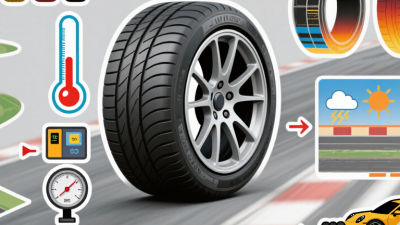
A track tire is designed to manage repeated cornering, braking, and acceleration under sustained heat. Its defining features are the compound, tread design, casing, and operating window—not simply a wide footprint. Some track-day tires retain grooves for wet-weather drainage; dedicated slicks have no tread and are intended for controlled circuit conditions. Grip is only one measure.
NHTSA’s Uniform Tire Quality Grading system uses a 7,200-mile controlled comparison to establish treadwear grades. That figure is not a track-life prediction, and the grade does not measure lap-time grip. It is a useful distinction: a high treadwear number cannot, on its own, identify a tire’s track performance. The Tire and Rim Association’s 2025 Year Book, meanwhile, provides standardized tire-size, load, and inflation data. These help explain why size alone cannot determine whether a tire suits a car’s weight or setup.
On track, heat changes pressure and feel. A tire that responds precisely during the first lap may feel less settled after several hard corners. Drivers should record cold pressure, hot pressure, ambient conditions, and session length, then adjust cautiously using vehicle guidance and qualified technical advice. Real-world results vary. That part is easy to underestimate. A track tire is best defined by its intended use and repeatable behavior within its operating limits, rather than by one label or headline specification.
Slick Tires for Maximum Grip on Dry Circuits
Slick tires are the dry-circuit choice when drivers need strong, consistent grip.
Their smooth tread places more rubber against clean asphalt than grooved tread does. That broad contact helps the tire generate cornering force, but it is not magic. Grip still depends on compound, temperature, pressure, and setup. The FIA’s 2024 Formula One Technical Regulations list nominal tire dimensions of 305/720 mm at the front and 405/720 mm at the rear. These figures show how closely track tires are designed around a specific vehicle and use case; they are not a universal fit guide.
A slick that feels vague on the opening lap may improve as its surface warms. Too much heat, however, can make the rubber wear quickly and feel greasy. Watch for shoulder wear, pressure changes, and repeated sliding through the same corner. Those details often reveal more than one fast lap. I have to admit, drivers can blame the tire when an aggressive alignment or cold track is the real problem. Slicks also offer little water evacuation, so standing water can sharply reduce control.
Tips: Follow the tire maker’s pressure and temperature guidance, and record readings after each session. Make one setup change at a time. A simple notebook helps separate tire behavior from driver guesswork.
Semi-Slick Tires for Track Days and Street Use
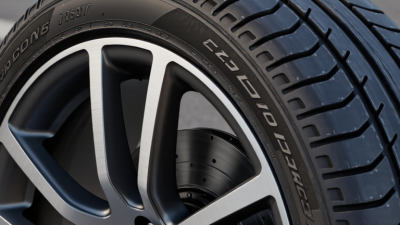
Semi-slick tires bridge track-day grip and everyday driving, but they are a compromise, not a magic upgrade. Their relatively broad tread blocks and shallow grooves can feel precise on dry pavement. Steering response often sharpens through a corner, while the stiff shoulders help the tire hold its shape under load. On a smooth circuit, that can make each turn feel more consistent. A few laps reveal plenty.
Street use changes the equation. In heavy rain, limited grooves may clear water less effectively, so standing water calls for extra caution and slower speeds. Cold tires can also feel less responsive, especially on early-morning drives before they warm. Check tread wear and pressures regularly, using the vehicle or tire maker’s guidance rather than guessing from appearance. Heat cycles matter too; a tire may lose some performance even when its tread still looks usable. It is tempting to choose the most aggressive pattern, but daily weather, road surfaces, and commute length deserve equal attention. That balance is easy to underestimate.
Wet-Weather Tires for Rainy Track Conditions
On a rainy circuit, the choice is usually between intermediate and full-wet track tires. Intermediates suit a damp surface with little standing water; deeper grooves on full-wet tires help clear water when rain becomes heavy. That distinction matters because a shiny racing line can hide puddles near the inside curb. FHWA reports about 1.2 million weather-related crashes annually in the United States, underscoring how quickly wet conditions can raise risk. Track tires face different demands, but the warning is clear: water changes grip fast.
The EU tire-label framework grades wet grip using standardized tests, making it useful for comparing road tires, not predicting lap times on a circuit (Regulation (EU) 2020/740). For track use, check the tire maker’s technical guidance, inspect tread channels, and monitor hot pressures after each session. Keep inputs smooth. A sudden brake or steering correction can overwhelm even a capable wet tire. Grip changes fast. Also, standing water and surface temperature can shift performance within a few laps, so a setup that worked at the pit exit may not work later. I’d treat the first lap as a cautious check, not proof the setup is perfect.
How to Choose a Track Tire for Your Car and Circuit
Choosing a track tire starts with the car and the circuit, not the calendar year. Dry circuits often reward slick tires, while grooved wet tires help move water away from the contact patch. Semi-slick designs can suit mixed road and track use, but their grip and durability vary. Check your car’s approved sizes, load rating, wheel clearance, and event requirements before buying. A tire that rubs the inner arch under compression is the wrong fit.
Compound matters too. Softer rubber can warm quickly and offer strong grip, yet may wear faster during long sessions. Harder compounds often last longer but can feel less responsive when the track is cool. Watch for uneven shoulder wear, greasy patches, or a sudden change in steering feel. These details can reveal pressure or alignment problems. Keep notes after each session; memory is not very precise.
Match the tire to the circuit’s surface, corner speed, and weather. A smooth, flowing course may stress tires differently from a tight layout with heavy braking and sharp turns. Consider how many laps you plan to run, and whether you can manage tire temperatures between sessions. Grip is not everything. I would rather choose a predictable tire than chase a fast first lap, though that judgment depends on the driver and setup. Check pressures when warm, and adjust only in small, recorded steps.
Top Track Tire Types in 2026: Typical Treadwear Rating Ranges
A practical comparison for matching tire type to your car and circuit. UTQG treadwear ratings are shown as broad, representative ranges for DOT tires—not as a measure of grip or lap time.
Street-focused summer tires generally suit cars that also drive on public roads. Track-focused and DOT competition tires trade tread life for circuit use; choose based on session length, temperature, and whether the circuit is dry or wet. Slicks are intended for closed-course use and are not included because they do not carry a UTQG treadwear rating. Actual ratings vary by tire, and UTQG ratings are not directly comparable across manufacturers.