Why Does Tire Aspect Ratio Matter?
A tire’s sidewall number can look like a small detail. It is not. In a size such as 225/50R17, the 50 means the sidewall height is 50 percent of the tire’s nominal width. The Tire and Rim Association’s standards define how tire sizes and dimensions are specified; that relationship helps drivers compare fitments without guessing. Simple arithmetic makes it tangible: a 225 mm-wide tire with a 50 aspect ratio has a nominal sidewall height of about 112.5 mm.
The tire aspect ratio can influence steering feel, ride comfort, and the wheel-and-tire package. A shorter sidewall may feel more responsive, but it leaves less rubber between the rim and road. A taller sidewall can cushion sharp impacts, though it may flex more during cornering. These are tendencies, not guarantees. Construction, pressure, vehicle setup, and the road surface matter too. Tire Rack’s Matt Edmonds, a longtime tire-industry specialist, offers a useful practical reminder: “The right tire size is the one specified for the vehicle.” Check the vehicle placard and owner’s manual before changing sizes.
There is measurable evidence behind the broader safety concern. NHTSA’s tire-safety guidance warns that incorrect inflation can affect handling, braking, and tire wear. Aspect ratio alone cannot predict those outcomes. That distinction is easy to overlook. It is also why comparing two numbers without checking the full tire specification can lead to a poor decision. This guide explains what tire aspect ratio tells you, what it does not, and how to assess it alongside the complete fitment.
What Tire Aspect Ratio Means and How It Is Measured
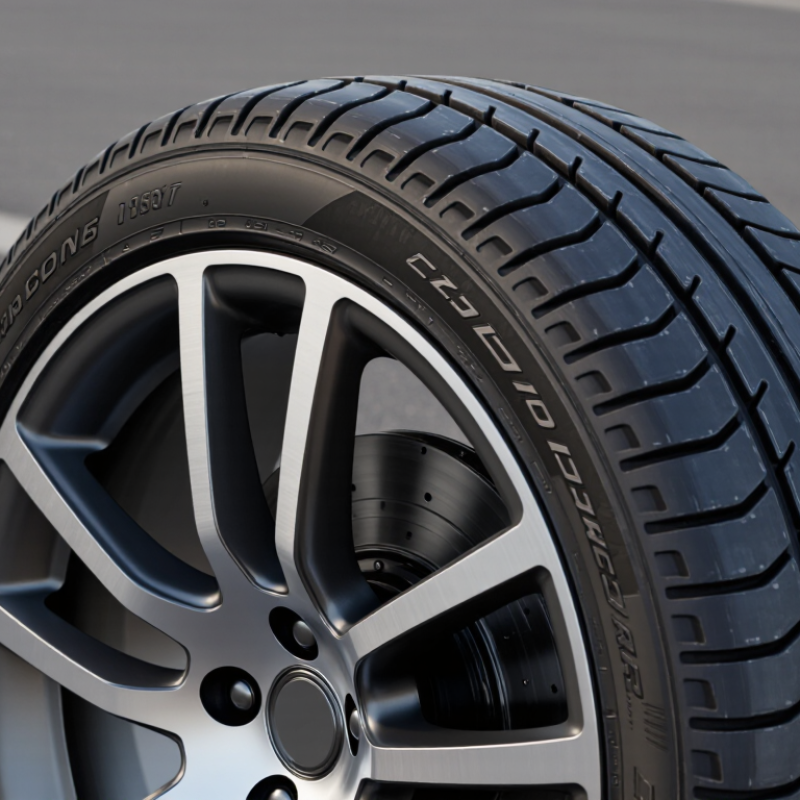
In a tire code such as 225/55R17, “55” is the aspect ratio. It means the sidewall height is 55% of the tire’s nominal section width. Here, 55% of 225 millimeters is about 124 millimeters. The Tire and Rim Association’s Year Book uses standardized tire-size designations like this. The figure is a ratio, not a height in inches. Actual dimensions can vary with rim width and tire construction.
A lower aspect ratio usually means a shorter sidewall, while a higher one means a taller sidewall. That difference can affect steering feel, ride comfort, and wheel protection, but the number alone cannot predict exactly how a tire will perform. Still, the calculation can seem more exact than it is. It does not tell you the correct inflation pressure or load capacity. NHTSA’s tire-safety guidance notes that tires can lose about 1 psi per month, so check pressure regularly rather than guessing from the sidewall ratio.
Tips: Read the full tire code, not just the aspect ratio. Compare it with the vehicle placard or owner’s manual before choosing a replacement. If the numbers differ, ask a qualified tire professional to confirm fitment.
Why Does Tire Aspect Ratio Matter?
Aspect ratio is the sidewall height expressed as a percentage of the tire’s nominal section width. The chart compares nominal sidewall heights for tires with the same 225 mm section width.
How to read it: A 225/50R17 tire has a nominal sidewall height of 112.5 mm (225 × 0.50). A lower aspect ratio means a shorter sidewall; a higher one means a taller sidewall. Actual dimensions can vary by tire design and measurement conditions.
How Aspect Ratio Changes a Tire’s Sidewall and Overall Profile
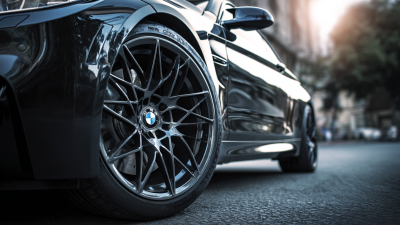
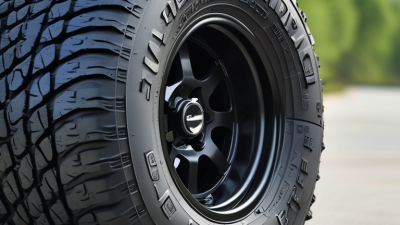
A tire’s aspect ratio is the sidewall height expressed as a percentage of its width. In a 225/55R17 tire, the sidewall is about 124 millimeters tall. A 225/45R17 tire of the same width has a sidewall around 101 millimeters tall. That 23-millimeter difference changes the tire’s visible profile. It is visible. The lower-profile tire looks shorter between the rim and the road, while the taller sidewall gives the tire a fuller, more rounded appearance.
Aspect ratio also affects overall tire diameter when wheel size stays the same. A shorter sidewall can flex less over bumps, so impacts may feel sharper; tire construction and pressure also matter. A taller sidewall may offer more cushioning, but it does not guarantee a softer ride. A useful garage check is to compare the full tire size, not just the aspect-ratio number, and confirm clearance around the wheel well. I wouldn’t judge fit by appearance alone: even a small diameter change can affect speedometer readings and vehicle behavior. Use the size specified for the vehicle, or ask a qualified tire professional before changing it.
Why Does Tire Aspect Ratio Matter? - How Aspect Ratio Changes a Tire’s Sidewall and Overall Profile
| Example Tire Size |
Aspect Ratio |
Calculated Sidewall Height |
Calculated Overall Diameter |
Profile and Typical Effect |
| 225/40R17 |
40% |
90.0 mm |
611.8 mm |
Shorter sidewall and lower profile; less tire cushioning over bumps. |
| 225/45R17 |
45% |
101.3 mm |
634.3 mm |
Low-profile appearance with slightly more sidewall than a 40-series tire. |
| 225/50R17 |
50% |
112.5 mm |
656.8 mm |
More sidewall height can provide additional cushioning, depending on tire design and pressure. |
| 225/55R17 |
55% |
123.8 mm |
679.3 mm |
Taller sidewall and fuller profile than the lower-ratio examples. |
| 225/60R17 |
60% |
135.0 mm |
701.8 mm |
Taller overall profile; check vehicle clearance and approved fitment. |
| 225/65R17 |
65% |
146.3 mm |
724.3 mm |
Tallest sidewall and largest calculated diameter in this comparison. |
Calculations use a nominal 225 mm section width and a 17-inch (431.8 mm) rim. Sidewall height = section width × aspect ratio; overall diameter = rim diameter + two sidewall heights. These are theoretical dimensions; actual tire dimensions vary by model, rim width, load, and inflation pressure. Use the vehicle manufacturer’s approved tire sizes when selecting a fitment.
Effects on Ride Comfort, Handling, and Fuel Efficiency
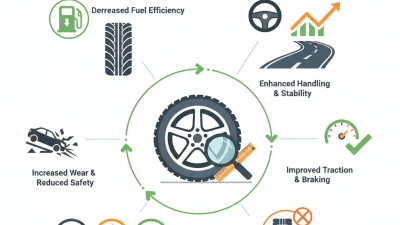
A tire’s aspect ratio is the sidewall height expressed as a percentage of its width. A 55-series tire, for example, has a sidewall height equal to 55 percent of its width. That measurement affects how much rubber and air sit between the rim and the road. On a broken city street, a taller sidewall can soften sharp jolts and reduce the thump felt through the cabin. The ride may feel less harsh. It is not a cure for every bump.
A lower-profile tire usually has a shorter, stiffer sidewall. That can make steering feel more immediate, especially through quick turns, because the sidewall flexes less. The trade-off is that cracks and potholes may feel more pronounced. Grip and handling also depend on tire construction, tread, pressure, and the vehicle itself. Aspect ratio matters, but it is only one part of the setup.
Fuel efficiency is less predictable. A different tire size can change rolling resistance, overall diameter, and even the accuracy of the speedometer. Pressure matters a lot, too: an underinflated tire can increase resistance and wear. A taller sidewall does not automatically save fuel, nor does a lower one always waste it. When comparing options, check the vehicle’s recommended size and keep pressure near the stated specification. The quiet, comfortable choice may not feel as crisp in a tight turn, and that compromise is easy to underestimate.
How Aspect Ratio Influences Tire Fitment and Vehicle Performance
Tire aspect ratio describes sidewall height as a percentage of tire width. A 55-series tire has a sidewall height equal to 55 percent of its section width. That number is a percentage. It is not a direct measurement in inches.
Aspect ratio affects fitment because changing sidewall height can change the tire’s overall diameter, especially when the wheel size stays the same. A larger overall diameter may reduce clearance near the fender or suspension. It can also affect speedometer readings and effective gearing. A shorter sidewall often feels firmer and may respond more quickly to steering, but it can transmit sharper bumps through the cabin. A taller sidewall can cushion rough pavement, though steering may feel less immediate. Small changes matter.
It is tempting to choose a tire by appearance alone, but dimensions and vehicle requirements deserve equal attention. Check the vehicle placard or owner’s manual for approved tire sizes, load capacity, and pressure guidance. Confirm that the tire suits the wheel’s width, too. After a size change, a qualified tire professional can check clearance and confirm whether the speedometer reading is affected. Fitment can vary between vehicles, even when the listed tire size matches.
Factors to Consider When Choosing a Tire Aspect Ratio
When choosing a tire aspect ratio, start with the vehicle placard and the wheel size, not appearance. The ratio is the sidewall height expressed as a percentage of tire width. For example, a 225/55R17 tire has a nominal sidewall height of about 124 mm; a 225/45R17 is about 101 mm. That difference can affect cushioning, steering response, and wheel protection. Lower-profile tires often feel more responsive, but rough pavement may feel harsher. The trade-off is easy to underestimate.
Check overall tire diameter, load index, and speed rating before changing ratios. The European Tyre and Rim Technical Organisation’s standards and fitment data show why tire dimensions must be matched to compatible rims and operating requirements. A size change can affect clearance and speedometer readings, so confirm the proposed fitment with a qualified tire professional. And keep inflation in view: the U.S. Department of Energy’s fueleconomy.gov estimates that each 1 psi drop across all tires can reduce fuel economy by about 0.2%. That figure concerns pressure, not aspect ratio, but it is a useful reminder that the right size still needs proper maintenance. I would not choose a ratio on looks alone.