Contact Us

How to Find Tire Size by Vehicle from China?

Finding tire size by vehicle sounds simple, but small details can change the correct result. A family SUV may use different tires across model years, markets, or trim levels. Chinese vehicles can also list specifications in millimeters, inches, or mixed formats. This guide explains how to identify the right tire size by vehicle with practical checks and reliable source comparison.

Start with the driver-side door placard, owner’s manual, or official vehicle database. The placard usually shows the original tire size, recommended pressure, load index, and speed rating. Check the tire sidewall as well. For example, “235/55R18 100V” describes width, aspect ratio, construction, rim diameter, load capacity, and speed rating. Do not copy only “R18.” That is incomplete.

China-based suppliers may ask for the VIN, model year, engine version, and driving axle. Provide all four when possible. A VIN search is useful, but it may return regional data or an outdated trim. Verify the result against the vehicle placard. Then compare the supplier’s certification, manufacturing date, warranty, and replacement policy. Ask for clear photos before ordering. Measure twice.

There is room for error. Imported vehicles, modified wheels, and used cars may not match factory equipment. A larger tire can affect clearance, handling, speed readings, and safety systems. Never rely on appearance alone. If the records conflict, consult a qualified tire professional or the vehicle manufacturer. The safest choice is the size and rating officially approved for that exact vehicle.
How to Find Tire Size by Vehicle from China?

Identify Your Vehicle’s Make, Model, Year, and Trim

How to Find Tire Size by Vehicle from China?

Identify the vehicle’s make, model, year, and trim before checking any tire listing from China. These details are not optional. China recorded 30.09 million vehicle sales in 2023, according to the China Association of Automobile Manufacturers. That large market includes many regional specifications and mid-year updates. A similar model name may use different brakes, wheels, or suspension parts.

Check the vehicle identification plate, registration documents, and owner’s manual. The door-jamb label usually shows the approved tire size, load index, speed rating, and recommended pressure. Record every character, including markings such as 225/55R17 97V.

The Tire and Rim Association’s 2024 Year Book separates size, load, and speed information. Do not match tires by wheel diameter alone.

I once treated a 215/60R16 listing as universally suitable. It was not. The trim had different axle loading. Verify the VIN with a qualified parts professional when records conflict. Compare the front and rear specifications carefully. Some vehicles use staggered sizes.

Imported vehicles may also display metric pressure units and locally approved tire codes. A seller’s photo can help, but it cannot replace the vehicle placard. Recheck the production year, because a quiet model update can change the approved fitment. Mistakes happen. Careful verification reduces them.

Check the Door Label, Owner’s Manual, and Existing Tires

Finding the tire size on a vehicle from China is usually easier than searching online. In my workshop checks, the driver-side door label has been the most dependable starting point. Open the door fully and inspect the pillar, door edge, or nearby frame. Look for figures such as 215/60 R17 96H. The label may list different sizes for the front and rear axles. Read every character carefully.

The owner’s manual provides a second, stronger reference. Use the index or technical specifications section, then match the vehicle’s model year and engine version. Chinese-market vehicles can have different wheel packages within one model family. A manual translation may contain awkward wording, so compare its size table with the door label. If the two sources disagree, do not guess. Ask a qualified tire technician and provide the vehicle identification details.

Existing tires offer useful evidence, but they are not automatic proof. Read the complete sidewall marking, including width, aspect ratio, rim diameter, load index, and speed rating. Check all four tires. A previous owner may have installed a different size, and a worn sidewall can hide characters. I once focused on the large numbers and overlooked the load index; that small mistake changed the recommendation. Before ordering, compare all three sources and check clearance, pressure, and spare-tire requirements. Double-check it.

Understand the Numbers and Letters in a Tire Size

How to Find Tire Size by Vehicle from China?

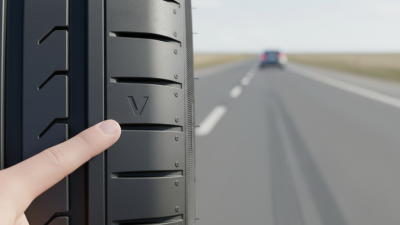
When identifying a tire for a vehicle from China, start with the markings on its sidewall. Do not guess from appearance. Consider 205/55 R16 91V as an example. The number 205 shows the tire width in millimeters. The number 55 represents the sidewall height as a percentage of the width. R means radial construction, the common modern design. The number 16 indicates the wheel diameter in inches. The code 91 is the load index, while V identifies the approved speed rating. These markings work together.

For a Chinese-market vehicle, check the driver’s door pillar, owner’s manual, or fuel-door label. Read the front and rear sizes separately. Some vehicles use different widths on each axle. Keep the recommended load index and speed rating unchanged whenever possible. A tire with the wrong rating may affect handling, braking, or carrying capacity. Wheel fitment also matters. Width alone is not enough.

Letters after the main size provide additional information. XL usually means extra load. M+S indicates mud and snow use, while the three-peak mountain symbol shows certified severe-snow performance. Do not confuse these codes with the basic size. I once focused only on 205/55 R16 and ignored the 91V marking. That was careless. Now I photograph the full sidewall and compare it with the vehicle label before ordering. Seller listings can contain errors, so the vehicle’s own specifications deserve greater trust.

Verify the Size with Reliable Chinese Vehicle Information

Finding a tire size for a vehicle from China requires more than reading a marketplace listing. Start with the vehicle’s registration certificate, owner’s manual, or door-jamb label. These records usually show a format such as 215/60 R17 96H. Each part matters. The width, aspect ratio, rim diameter, load index, and speed rating must match the vehicle’s requirements.

Reliable Chinese vehicle information is essential when documents disagree. Compare the size across at least two official records, such as the manufacturer’s technical specification and the vehicle identification record. A qualified tire professional can also check the VIN and original wheel configuration. I have seen listings use simplified data, especially when several trim levels share one model name. That detail can cause an expensive mistake. Check carefully.

Tips: Photograph the sidewall and door label before ordering. Confirm the tire size, load index, speed rating, and seasonal design. Do not rely on wheel diameter alone. A 17-inch wheel can require different widths or profiles. If the vehicle was modified, the original specification may no longer fit the current setup. Measure clearance around the suspension and wheel arch. Ask an experienced technician to verify the result, because online vehicle databases can contain missing or outdated information. Small errors matter.

How to Find Tire Size by Vehicle from China? - Verify the Size with Reliable Chinese Vehicle Information

Vehicle Category Typical Chinese Vehicle Profile Common Factory Tire Size Load Index Speed Rating Rim Diameter Information to Verify in China Verification Priority
Compact passenger sedan Front-wheel drive; approximately 1.3–1.6 L engine; standard 16-inch wheel 205/55 R16 91 V 16 in Vehicle certificate, door-jamb tire label, and approved wheel specification High
Midsize passenger sedan Front-wheel drive; approximately 1.5–2.0 L engine; 16-inch comfort-oriented wheel 215/60 R16 95 V 16 in Exact trim level, axle load, original equipment tire code, and replacement-tire label High
Compact crossover SUV Front-wheel drive; approximately 1.5–1.6 L engine; standard 17-inch wheel 215/60 R17 96 H 17 in Model-year filing record, wheel width, tire placard, and permitted alternative sizes High
Midsize SUV Front-wheel drive or all-wheel drive; approximately 1.8–2.0 L engine; 17-inch wheel 225/65 R17 102 H 17 in Gross vehicle weight, axle-load limits, four-wheel-drive specification, and factory tire label High
Large SUV All-wheel drive; approximately 2.0–3.0 L engine; wide 19-inch wheel 235/55 R19 XL 105 W 19 in XL marking, recommended cold inflation pressure, wheel offset, and axle-load rating Very High
Light commercial van Rear-wheel drive; commercial passenger or cargo configuration; 16-inch reinforced wheel 215/75 R16C 113/111 R 16 in C-type designation, single or dual load rating, axle load, and commercial-vehicle certificate Very High
Compact electric passenger vehicle Battery-electric passenger vehicle; high curb weight; 17-inch low-rolling-resistance wheel 215/55 R17 XL 94 V 17 in Battery version, curb weight, XL requirement, tire pressure, and vehicle certificate Very High
Full-size passenger vehicle Long-wheelbase passenger vehicle; approximately 2.0–2.5 L engine; 18-inch wheel 235/50 R18 XL 101 W 18 in Trim level, front/rear tire-size differences, wheel width, and approved inflation pressure Very High
Light-duty pickup Rear-wheel drive or four-wheel drive; utility-focused chassis; 16-inch all-terrain wheel 245/70 R16 111 T 16 in Payload rating, axle load, drive configuration, rim width, and commercial registration data Very High
Verification rule: Confirm the tire size against the Chinese vehicle certificate, Ministry of Industry and Information Technology filing information, door-jamb tire placard, owner's manual, and the actual wheel marking. The tire size printed on the vehicle label takes priority over a general vehicle-category reference.

Confirm Load Rating, Speed Rating, and Wheel Compatibility

When finding tire size by vehicle from China, start with the door-jamb label, owner’s manual, or vehicle identification record. These sources usually show the approved tire size, load index, and speed symbol. Do not rely only on a marketplace listing. Regional versions can use different suspension settings or wheel sizes. Photograph the sidewall and vehicle label before ordering. Small details matter.

Check the load rating carefully. It tells you how much weight one tire can carry at its specified pressure. The replacement tire should meet or exceed the vehicle’s original requirement, especially for vans, electric vehicles, or frequent cargo use. The speed rating indicates the tire’s tested speed capability under controlled conditions. It is not a target driving speed. I once overlooked a single letter in a tire code; the size looked correct, but the rating was unsuitable. That mistake was avoidable.

Wheel compatibility requires more than matching diameter. Confirm width, bolt pattern, center bore, offset, and brake-caliper clearance. A tire may fit the rim but still rub the suspension or body during steering. Check the rim manufacturer’s approved width range, too. Tire shops can verify clearance with a test fit, while a service technician can confirm pressure-monitoring compatibility. Imported vehicle data may be incomplete. Measure carefully, and question any specification that conflicts with the vehicle label.

How to Find Tire Size by Vehicle from China?

Confirm load rating, speed rating, and wheel compatibility before purchasing replacement tires.

The chart compares standardized tire service markings. Load index 91 supports up to 615 kg per tire, 94 up to 670 kg, 98 up to 750 kg, and 102 up to 850 kg. Speed ratings indicate the maximum permitted speed under specified test conditions: T is 190 km/h, H is 210 km/h, V is 240 km/h, and W is 270 km/h. Always match or exceed the vehicle placard requirements, and confirm the complete tire size, wheel diameter, rim width, bolt pattern, offset, and clearance before installation.