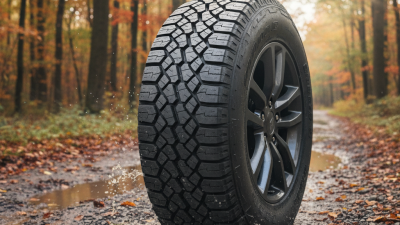
China is an important sourcing base for buyers seeking tires that balance everyday road use with off-road capability. Manufacturers vary in their product ranges, testing resources, export experience, and ability to meet custom specifications. Comparing all weather all terrain tires means looking beyond aggressive tread blocks and polished sales claims. Wet braking, snow traction, heat resistance, road noise, load ratings, and tread life all deserve attention.
Small details matter. A tire that grips loose gravel may feel louder on a wet highway, while a quieter tread may offer less bite in mud. Ask manufacturers for clear specifications, test information, quality-control procedures, and samples that match the intended vehicle and climate. Check how they handle batch consistency and customer feedback, too. These practical questions can reveal more than a catalogue can.
This guide introduces China-based manufacturers and the factors buyers can use to assess them. Company profiles and product claims should be verified directly, since capabilities and certifications can change. No supplier is perfect. Even a strong factory may not suit every market, vehicle, or budget. That deserves a second look. A careful comparison can help buyers narrow their options without treating broad claims as guarantees.
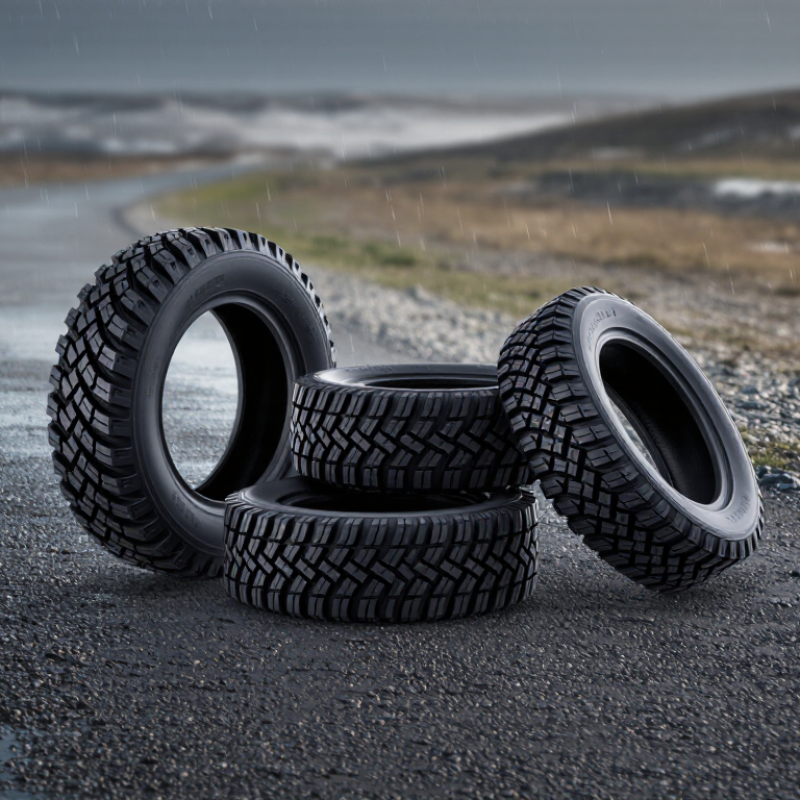
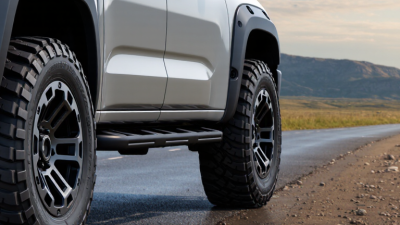
An all-weather all-terrain tire combines year-round road use with a tread pattern built for rougher surfaces. Its rubber compound is designed to remain useful across a wider range of temperatures than a typical summer-focused tire. The tread often has deeper grooves and open shoulder blocks to move water, loose gravel, and light mud away from the contact area. It is a compromise, not a magic fix.
On paved roads, the tire still needs predictable braking, stable cornering, and manageable noise. Off pavement, stronger sidewalls and wider tread gaps can help resist damage from sharp stones and maintain grip on uneven ground. Some models carry a severe-snow rating, but markings and performance differ. Check the tire’s specifications rather than assuming every all-weather design handles packed snow equally well.
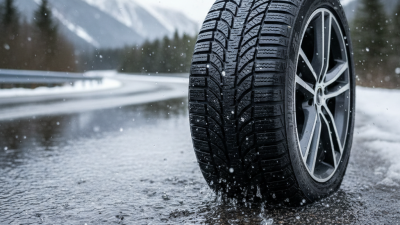
Real driving exposes the trade-offs. A tightly packed tread may feel calmer on a wet highway, while more aggressive blocks can bite better into gravel but hum at speed. That sound matters on a long commute. So does tread wear: frequent hot-weather driving, heavy loads, and low pressure can shorten tire life. Even a capable tire can struggle on polished ice or deep mud. Choosing one means weighing the roads you actually travel against the conditions you only encounter occasionally.
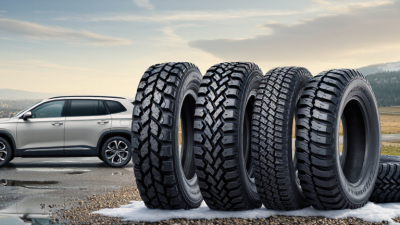
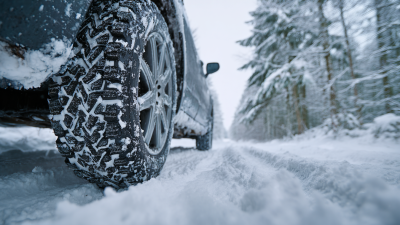
China’s all-weather all-terrain tire makers face a difficult design balance: grip on wet pavement, stability on gravel, and usable traction in cold weather. The tread has to work across changing surfaces. Silica-rich compounds can remain more flexible at lower temperatures, while dense sipes create extra biting edges on snow. But softer rubber may wear faster. That trade-off deserves honest testing, not just confident claims.
Snow certification offers one measurable check. ASTM F1805’s snow-traction test underpins the Three-Peak Mountain Snowflake requirement; qualifying passenger tires must reach at least 110% of a standard reference tire’s traction. It is useful evidence, not a promise of equal performance on ice or mud. All-terrain designs add open shoulder lugs and reinforced tread blocks to resist cuts on rocky tracks. Wide voids help clear loose material, though they can make road noise more noticeable.
Rolling resistance matters too. U.S. Department of Energy guidance reports that reducing it by 10% can improve fuel economy by roughly 1–2%, depending on vehicle and driving conditions. Engineers therefore tune tread compounds and carcass stiffness together. That work is easy to underestimate. A tire that feels planted on a damp test loop may behave differently when loaded, worn, or driven through slush. Real-world testing still has limits.
Leading manufacturers of all-weather all-terrain tires in China balance tread grip, casing strength, and predictable handling. Their teams develop patterns for mixed use, from wet city roads to gravel tracks and muddy work sites. Deep grooves help move water and loose debris, while reinforced shoulders can resist wear on rough ground. Rubber compounds also matter: a tire must remain flexible in cold conditions without wearing too quickly on hot pavement. The trade-off is real. More aggressive tread can mean extra road noise.
A capable manufacturer should explain its testing methods, intended vehicle types, and load ratings clearly. Ask how products are checked for uniformity, balance, and consistency between production batches. Request technical data, not just broad performance claims. Details matter. A short test drive cannot prove long-term durability, so compare specifications and seek field feedback from similar operating conditions.
Tips: Match the tire to your routes and vehicle load. Check tread depth and pressure regularly, especially before carrying equipment on loose terrain. Look for even shoulder wear; it may signal alignment or pressure issues. One detail is easy to miss: all-weather does not mean ideal for every climate. Manufacturers’ stated limits deserve a careful read.
China Top All Weather All Terrain Tire Manufacturers
Manufacturing Standards and Quality Control in China
China’s all-weather, all-terrain tire production depends on repeatable processes, not just aggressive tread designs. ISO’s 2022 Survey reported more than 1.26 million ISO 9001 certificates worldwide. This shows how widely quality management systems are used, though certification alone cannot prove a tire performs well. Not enough.
Reliable factories inspect incoming rubber, steel cord, and textile materials before mixing. Batch records should connect each compound to its curing and inspection results. In production, temperature, pressure, and curing time need close control. A small variation can affect tread hardness or bead fit. Finished tires can then undergo checks for dimensions, balance, uniformity, and visible defects, followed by sample endurance and wet-grip testing against relevant standards.
For all-terrain tires, quality control should reflect real use: gravel, heat, rain, and changing loads. A smooth laboratory result cannot capture every muddy trail. That gap deserves honest attention. Buyers can request test methods, sample sizes, and traceable inspection records, rather than relying on a certificate or a broad performance claim. Strong manufacturers review returned-product data and investigate recurring faults, even when the cause is inconvenient.
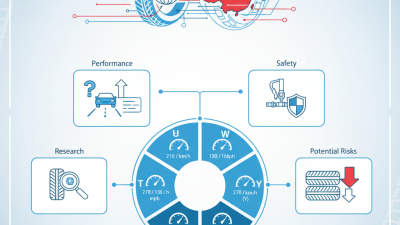
Load index is a standardized tire sidewall rating. The values shown are reference maximum loads per tire for the selected index ratings, not production figures for any manufacturer. Tire testing and verification must account for the specified tire type, inflation pressure, and applicable requirements.
Chinese all-terrain tires serve drivers moving between paved roads, gravel tracks, and work sites. Their needs vary. Light trucks may need sturdy sidewalls and dependable wet-road grip, while rural vehicles often benefit from tread that sheds loose soil. In colder regions, rubber flexibility matters; in hot climates, heat resistance and wear life become more important. No single pattern suits every route.
Global applications range from farm access roads and construction sites to recreational travel and utility fleets. Export markets differ in road surfaces, seasonal temperatures, vehicle fitments, and load expectations. Buyers should check the tire’s size, load rating, speed rating, and performance data against the intended vehicle and use. Local requirements also deserve careful review, since specifications accepted in one market may not transfer directly to another.
For Chinese manufacturers, serving these markets means adapting designs and quality checks to real operating conditions, not just producing an aggressive-looking tread. Wet braking, noise, rolling resistance, and wear should be assessed alongside off-road traction. Sample testing and fleet feedback can reveal problems that product descriptions miss. There is a trade-off: deeper tread may help on loose ground, yet feel less composed on highways. That balance is easy to underestimate.
| Product Segment | Typical Applications | Common Design Considerations | Relevant Global Markets | Buyer Checks |
|---|---|---|---|---|
| Highway-terrain (H/T) SUV and light-truck tires | Predominantly paved-road driving, with occasional gravel or maintained dirt roads. | A road-focused tread pattern and emphasis on wet-road handling, ride comfort, and noise control; capability varies by model. | SUV and pickup markets across North America, Europe, Asia-Pacific, Latin America, and the Middle East. | Confirm vehicle fitment, load index, speed rating, and any market-specific approval markings. |
| All-terrain (A/T) SUV and pickup tires | Mixed driving on roads and unpaved surfaces such as gravel, firm dirt, and some rocky tracks. | More open tread patterns and reinforced construction may support traction and durability off-road, often with a trade-off in road noise or comfort. | Popular in markets with pickup and 4×4 use, including North America, Australia, parts of Latin America, and selected African and Middle Eastern markets. | Match the tire to the vehicle, axle load, intended terrain, and proportion of on-road driving. |
| Rugged-terrain (R/T) tires | Utility and recreational vehicles that regularly encounter rough tracks while still requiring road use. | Typically positioned between A/T and mud-terrain designs; tread aggressiveness, road manners, and off-road performance vary by product. | Specialist 4×4 and pickup segments in North America, Australia, and other regions with substantial unpaved-road use. | Review the manufacturer's stated use, permitted fitment, load capacity, and road-use suitability. |
| Mud-terrain (M/T) tires | Off-road use on muddy, loose, or uneven terrain, generally with limited highway use depending on the product. | Large tread voids and pronounced blocks can aid self-cleaning in soft ground; noise, wet-road behavior, and wear depend on design and conditions. | Off-road, agricultural-support, and recreational 4×4 applications in markets with suitable vehicle fitments. | Check road legality, speed rating, load rating, and the intended balance of off-road and paved-road use. |
| All-weather A/T tires | Year-round mixed-surface driving in regions where vehicles may encounter rain, cold weather, or occasional snow. | Some models carry the Three-Peak Mountain Snowflake (3PMSF) symbol, indicating they meet a defined snow-traction performance threshold; this does not make them equivalent to dedicated winter tires in every condition. | Markets with seasonal weather changes, including parts of North America, Europe, and northern or elevated areas of other regions. | Check the exact model's sidewall markings and local winter-tire rules; an M+S marking alone is not the same as 3PMSF certification. |
| Light-commercial all-terrain tires | Vans, pickups, and utility vehicles used on a combination of paved roads, work sites, and unpaved access roads. | Load capacity and durability are key considerations; the correct commercial-service type and fitment must be selected for the vehicle and operating load. | Construction, service, and rural transport fleets across multiple global regions. | Verify load index, tire size, inflation guidance, and whether the tire is approved for the vehicle's specified service. |
| Export-market compliance and documentation | Import, distribution, and vehicle fitment in destination markets. | Requirements depend on destination, tire category, and intended use. U.S. DOT identification and applicable European type-approval markings are examples of market-specific requirements, not universal approvals. | United States, European markets, and other destinations with their own product rules and import requirements. | Request current test reports, certification records, labeling details, and confirmation that they apply to the exact tire model and size. |
Note: The table describes general tire categories and market considerations. Actual performance, construction, certifications, and availability vary by tire model, size, and destination market.