Choosing rugged terrain tires in 2026 is less about finding the most aggressive tread and more about matching a tire to real driving conditions. A truck that spends weekdays on wet pavement and weekends on rocky access roads needs a different balance from a vehicle used mostly on loose dirt. Consider the terrain, annual mileage, vehicle weight, and the tire size approved for your vehicle. Then compare traction, road noise, wet braking, sidewall protection, and warranty details. Small differences matter: a deep tread may grip loose gravel well, yet feel louder during a long highway commute.
Pay attention to the details you can verify. Check the load index and speed rating against your vehicle’s requirements, inspect manufacturer specifications, and ask an experienced installer about fitment and clearance. No tread pattern can compensate for incorrect pressure or poor maintenance. A practical reminder for this guide is: “Choose for the roads you actually drive, not the toughest trail you imagine.” This is original editorial wording, not a verified quotation from a named industry expert; a sourced expert name and quotation should be confirmed before publication. That distinction matters. Tire claims can sound convincing, but performance depends on the vehicle, conditions, and driver. The sections ahead explain how to compare rugged terrain tires without overlooking comfort, durability, or everyday safety.
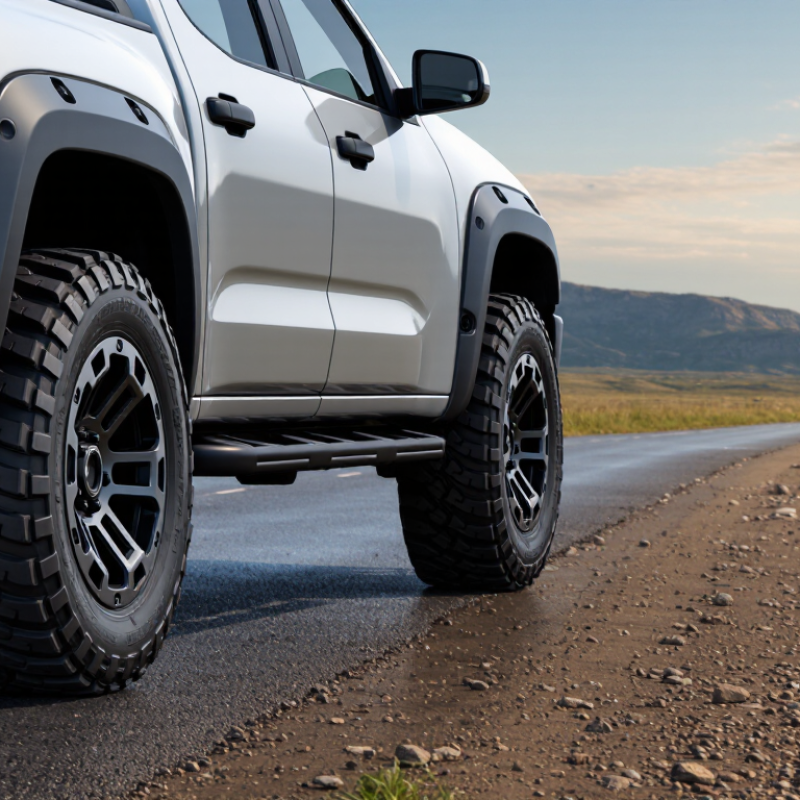
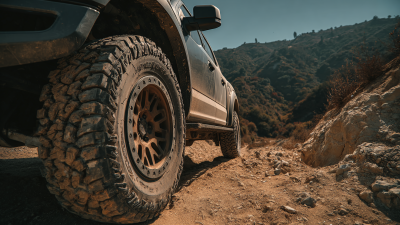
Start with where your tires spend most of their time, not the roughest trail you might visit once. Daily pavement, wet gravel, rocky tracks, and deep mud demand different tread designs. All-terrain tires can balance road comfort with occasional off-road traction, while mud-terrain patterns suit frequent, soft, muddy routes. Their larger tread blocks can feel louder and less settled on smooth pavement. Snow, steep grades, towing, and a loaded roof rack also change what “rugged” should mean. A tire that looks aggressive may still be the wrong choice.
Be specific. Do you cross sharp rocks, drive through standing water, or mainly encounter washboard gravel? Check your vehicle’s placard for the correct size and load rating before comparing tread. The U.S. Department of Energy’s FuelEconomy.gov estimates that properly inflated tires can improve fuel economy by up to 3 percent. NHTSA’s TireWise guidance recommends checking pressure monthly, when tires are cold. These details matter; toughness alone does not guarantee safe handling or durability. I still find it easy to overvalue dramatic tread and overlook the daily commute.
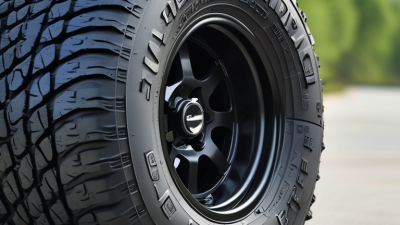
Rugged-terrain tires range from mild all-terrain patterns to open, mud-focused designs. Mild tread blocks usually bring calmer road manners and more even wear. Wider voids and chunky shoulder lugs can grip loose soil and clear mud better. Mud is different. The more aggressive pattern may add cabin noise and reduce wet-road confidence. Check the tire’s load rating and size against your vehicle’s requirements, not just its appearance.
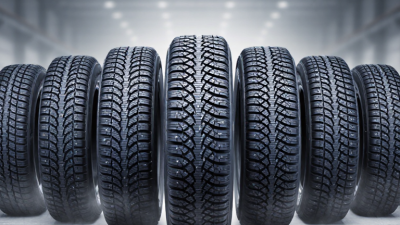
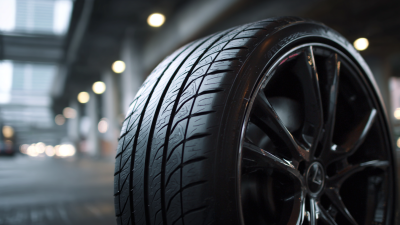
Look closely at the tread. Closely spaced blocks and many narrow grooves can support traction on wet pavement, while deeper channels help move water, gravel, or mud. Reinforced sidewalls may resist cuts, but added weight can affect steering feel and fuel use. There is no perfect pattern. A tire that works well on rocky trails may feel harsh during a long commute. Consider your usual terrain, seasonal weather, and how much time you spend on pavement.
Tips: Before buying, inspect your current tires for uneven wear and note your typical road speeds. Compare published wet-braking and noise information when available. If possible, ask a qualified tire professional to confirm fitment and load suitability. Recheck pressure after installation; the door-jamb value is a sensible starting point, though heavy loads may require professional guidance.
Before choosing rugged-terrain tires, read the driver-door placard and owner’s manual for the approved tire size, load index, and cold inflation pressure. NHTSA’s TireWise guidance says replacement tires should match the vehicle’s specified size and meet or exceed its required load capacity. A larger-looking tire is not automatically safer. Check width, diameter, rim size, and clearance at full steering lock; aggressive tread can rub against a liner or suspension part.
Load numbers matter. In ETRTO load-index tables, index 110 corresponds to a maximum load of 1,060 kg per tire under specified conditions. That figure is not a universal fitment guarantee: tire construction, pressure, and vehicle axle limits still matter. Compare the tire’s sidewall data with the placard and the vehicle’s gross axle weight ratings. Also confirm that the wheel width and pressure range suit the tire. An oversize tire may change speedometer readings and handling, details that are easy to overlook.
Tips: Measure clearance with the vehicle loaded, not just parked empty. Ask a qualified tire technician to verify fitment and load capacity before purchase. Keep the paperwork; it helps catch a mismatch later. Do not assume a tougher tread fixes poor sizing.
Check the vehicle’s approved tire size and wheel fitment first, then choose a load index that meets or exceeds the vehicle’s requirements. The chart shows the rated maximum load per tire for selected load indexes; actual capacity depends on correct inflation. Confirm clearance, speed rating, and total vehicle load limits before changing tire size.
Rugged terrain tires should match the surfaces you actually drive, not just the trails you hope to reach. For loose gravel or muddy access roads, deeper tread voids and sturdy shoulder blocks can improve grip. On wet pavement, however, those same features may not deliver the shortest stops. Check independent test results for braking and handling in conditions similar to your own. A dramatic tread pattern is not proof of dependable traction.
Durability depends on more than thick-looking sidewalls. Compare load capacity with your vehicle’s requirements, and look for construction suited to sharp rocks, frequent impacts, or heavy loads. Keep tires properly inflated; pressure that is too low can increase heat and damage risk. Small details matter. Rotate them regularly, and inspect the tread and sidewalls for cuts or uneven wear. Even a tough tire can wear early if alignment is off.
Noise is easy to overlook until a long highway drive. Read test notes about cabin sound, and, if possible, listen during a real drive; pavement texture changes what you hear. For weather capability, check wet-road performance and recognized winter markings if snow or ice is routine. No tire excels everywhere. The trade-off can be annoying: more off-road bite may mean extra noise, faster wear, or less comfortable road manners. Compare tires in the same size and load category, then weigh those compromises against your usual routes.
A rugged-terrain tire’s real cost includes more than its purchase price. Compare the fitted set, expected tread life, rotations, repairs, and any fuel penalty. The U.S. Department of Energy’s fueleconomy.gov estimates that each 1 psi of underinflation across all tires can reduce fuel economy by about 0.2%. Check pressures cold, especially before a long gravel drive. Small details matter.
Treat mileage warranties as conditions, not guarantees. Read the required rotation schedule, wear measurement rules, and prorated replacement terms; keep dated service records. A warranty that looks generous may offer little if uneven wear voids coverage. Compare the cost per warranted mile, but remember rugged terrain can wear tread faster than ordinary-road testing suggests. That estimate is imperfect.
For 2026, confirm local requirements rather than assuming one new global rule applies. In the United States, NHTSA’s tire guidance points buyers to the vehicle placard and owner’s manual for correct size and load capacity; applicable replacement tires must meet federal standards, including FMVSS No. 139. Match load and speed ratings, then inspect the sidewall markings. NHTSA does not endorse tires simply because they carry a DOT identification. A heavier-duty tire can still be the wrong fit. Check clearance at full steering lock, with the vehicle loaded.