Contact Us

7 Tips for Buying All Season Winter Tires

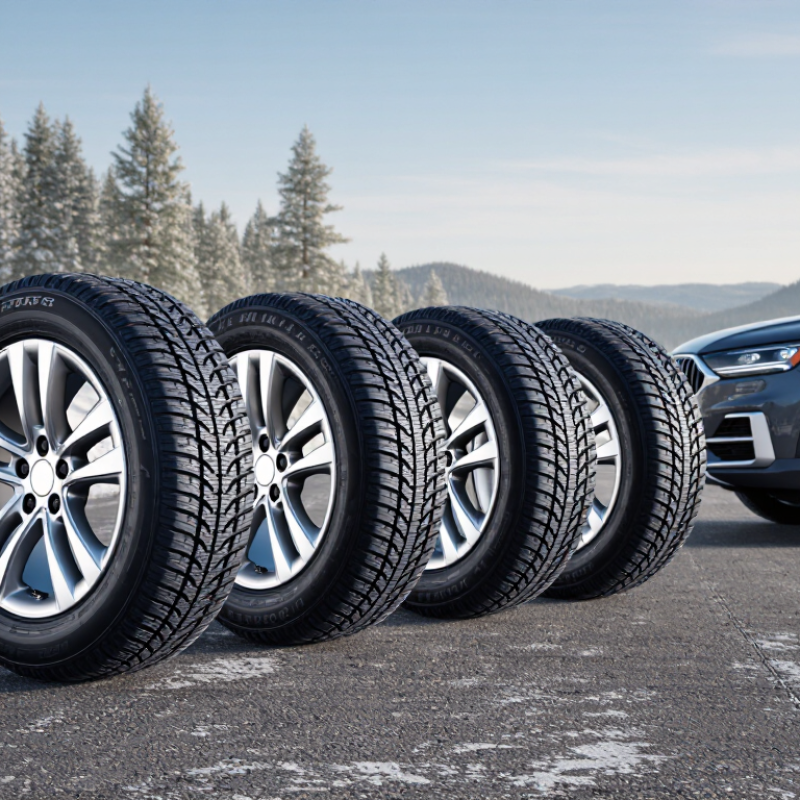
Choosing all season winter tires sounds simple until the road turns from dry pavement to packed snow. The label can be confusing, and the wrong choice may become obvious during one sharp stop. Drivers need more than a low price or a familiar brand name. They need to match the tire to local weather, vehicle weight, driving habits, and available storage.

John Ibbotson, chief mechanic at Consumer Reports, has explained that all-season tires are a compromise rather than a perfect solution for every condition. That idea deserves attention. A tire that feels quiet on a warm highway may lose confidence on an icy residential street. Tread depth, rubber flexibility, wet braking, and the Three-Peak Mountain Snowflake symbol all matter. So does the tire’s age. A nearly new-looking tire can still have hardened rubber after years in a hot garage.

This guide explores seven practical tips for buying all season winter tires without relying on vague promises. You will learn how to read traction ratings, compare independent test results, inspect sidewall markings, and question unrealistic mileage claims. Small details matter. Check the door-jamb pressure label. Look at winter temperatures, not only annual snowfall. Consider whether emergency braking is more important than cabin quietness.

There is no perfect tire.

That is the uncomfortable part. Some recommendations may still need reconsideration when your commute includes mountain roads, frequent ice, or long highway trips. In severe winter climates, dedicated winter tires may provide safer control than any all-season design. A careful buyer accepts that limitation before making the purchase.
7 Tips for Buying All Season Winter Tires

Assess Your Climate and Typical Driving Conditions

Before buying all-season winter tires, map the weather you actually drive through. Check how often temperatures stay near freezing, whether snow usually melts quickly, and whether your route includes shaded hills or untreated roads. “Winter” can mean damp mornings and slush in one region, but packed snow for weeks in another. Those conditions ask different things of a tire.

AAA’s 2016 tire testing found dedicated winter tires stopped about 30 percent shorter than all-season tires on snow-covered roads. That result is a useful warning, not a guarantee for every vehicle or road. If your commute is mostly cleared pavement, occasional light snow, and moderate speeds, all-season tires may suit your routine. Regular trips before dawn, steep driveways, or frequent trips through deep snow make winter-rated tires worth serious consideration. Look at your full route, not just your neighborhood.

Also consider rain. A tire that handles snow well still needs to move water through its tread on wet roads. Review local climate records and your own travel calendar; a few winter weekend drives may not justify the same choice as a daily rural commute. Be honest about the trade-offs. I’d be cautious about choosing from one snowy test alone, because temperature, tire wear, vehicle weight, and driving habits all affect grip. Start with your most common conditions, then account for the occasional ugly day.
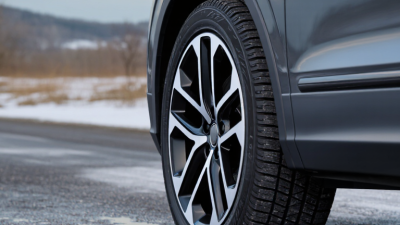
Confirm Tire Size, Load Index, and Speed Rating

7 Tips for Buying All Season Winter Tires

Confirm tire size, load index, and speed rating before comparing tread patterns. These markings are printed on the sidewall and listed on the vehicle placard. A tire marked 225/60R17 is not automatically suitable for every 17-inch wheel. The width, aspect ratio, construction, and diameter must match the vehicle’s requirements. The U.S. Tire Manufacturers Association advises replacing tires with the same or higher load capacity and speed capability specified by the vehicle maker.

Load index matters when the vehicle carries passengers, luggage, or towing equipment. A lower-rated tire may flex excessively under weight, creating heat and uneven wear. Speed rating is not a target driving speed. It indicates a tire’s tested capability under controlled conditions. Weather, inflation, road damage, and tire age still affect safety. The National Highway Traffic Safety Administration reports that properly maintained tire pressure helps reduce the risk of tire failure, while its research found tire pressure monitoring systems reduced severely underinflated tires by about 55%.

Check the placard inside the driver’s door, not only the old tire. It gives the correct cold inflation pressure and approved size. I once treated a small rating difference as harmless; that shortcut deserved more checking. Winter-ready tread cannot correct a mismatched load index. Inflation also changes with temperature, roughly one pound per square inch for every 10°F shift, according to tire service guidance. Check pressure when the tires are cold. Read the sidewall carefully.

Compare Winter Traction and Tire Certifications

7 Tips for Buying All Season Winter Tires: Compare Winter Traction and Tire Certifications

Choosing an all-season tire for winter requires more than reading the tread pattern. Temperature matters. The Tire and Rubber Association of Canada recommends winter tires below 7°C because many all-season compounds become less flexible. In AAA’s 2019 winter-tire testing, dedicated winter tires delivered roughly 25% to 50% more snow traction than all-season tires. Ice is different. No tread symbol can replace careful speed control, proper inflation, or a safe following distance.

Check the sidewall first. The M+S marking means the tread meets a basic mud-and-snow design requirement, but it is not a standardized severe-snow certification. The three-peak mountain snowflake symbol, regulated through standardized performance testing, indicates stronger packed-snow traction. It does not guarantee short braking on ice. The U.S. Tire Manufacturers Association also explains that this symbol evaluates snow performance, not every winter condition. A tire may pass certification yet feel uncertain on a polished intersection.

Compare independent test data from Consumer Reports, government transport agencies, and recognized tire laboratories. Look for snow braking, ice braking, wet handling, and cold-temperature results. Check the tread depth with a gauge, not your thumb. At 4/32 inch, many professionals recommend replacing tires before severe winter use, especially when road slush hides uneven wear. I have found that a quiet test drive can mislead; steering may feel normal while braking grip has already weakened. Certification helps, but it is only one piece of evidence.

Review Tread Life, Warranty, and Total Cost

A winter-rated all-season tire can look affordable until replacement costs enter the picture. Check the treadwear warranty, but treat its mileage figure as an estimate, not a promise. Driving style, alignment, tire pressure, and rough roads all affect wear. The U.S. National Highway Traffic Safety Administration recommends replacing tires when tread reaches 2/32 inch; winter grip can decline before that point. Measure tread in several grooves, not just the outer shoulder. Small differences matter.

Read the warranty conditions closely. Some require regular rotations and proof of maintenance, details that are easy to forget. A long warranty is not automatically better if the tire costs more or performs poorly in wet braking tests. Consumer Reports’ tire evaluations compare factors such as braking, handling, and rolling resistance, giving shoppers more useful context than mileage claims alone. Still, test results may not match your vehicle or local roads exactly.

Calculate the full cost per year: purchase price, installation, rotations, and likely replacement timing. Include fuel, too. The U.S. Department of Energy reports that properly inflated tires can improve gas mileage by about 0.6% on average, with gains up to 3%. Check pressure monthly, especially after a cold snap. I have found that this step is easy to postpone. That is a costly habit. Compare two or three tire options using the same ownership period, then choose the balance of tread life, warranty support, and dependable winter traction that fits your routes.

7 Tips for Buying All Season Winter Tires

Review tread life, warranty, and total cost before you buy. Tread depth is one useful part of that comparison.

How to read this chart: New passenger tires commonly have about 10/32–12/32 inch of tread; 11/32 is shown as a representative value. Winter traction can be reduced around 5/32 inch, while 2/32 inch is the U.S. legal minimum in most states. These are general benchmarks, not a guarantee of performance. Check your local rules and the tire maker’s guidance, and compare warranty terms and the full installed price.

Choose a Reliable Seller and Plan Installation

Buying all-season winter tires is easier when the seller is trustworthy. In my experience, a reliable seller explains tire size, load rating, speed rating, and expected weather performance clearly. They should also provide the tire’s production date and a written return policy. Check independent reviews, but read recent comments carefully. A clean showroom is not enough.

Tip 1: Ask where the tires were stored. Heat, sunlight, and moisture can damage rubber before installation. Tip 2: Confirm the seller will match the tires to your vehicle’s manual, not just the wheel size. I once focused too much on price and overlooked the recommended load rating. That was careless.

Plan installation before winter arrives. A qualified technician should inspect the wheels, check for uneven wear, and use the correct tightening pattern. Ask for torque specifications and an alignment check if the vehicle pulls sideways. Tire pressure should be adjusted after installation, preferably when the tires are cold. Small details matter.

Tip 3: Request a short road test after fitting. Listen for vibration, steering shake, or unusual noise. These signs may reveal balancing or mounting problems. Keep the invoice and installation notes. They make future service easier. I would also recheck pressure after several days, because new tires can expose an old valve leak. It is easy to forget.

7 Tips for Buying All Season Winter Tires - Choose a Reliable Seller and Plan Installation
Tip Buying or Installation Dimension Recommended Action What to Verify Priority
1 Clarify the tire category Decide whether all-season tires with winter certification are suitable, or whether dedicated winter tires are more appropriate for frequent snow, ice, or consistently low temperatures. Look for the Three-Peak Mountain Snowflake symbol when severe-snow performance is required. The ordinary mud-and-snow marking alone does not represent the same certified severe-snow standard. High
2 Match the vehicle specification Use the vehicle owner's manual, the driver's-door information label, or the current tire sidewall to confirm the approved tire size and specifications. Confirm size, load index, speed rating, construction type, and whether the vehicle requires a specific tire type or staggered fitment. High
3 Compare winter performance needs Consider the local climate, average winter temperature, snowfall, road-clearing practices, driving distance, and whether the vehicle is used on untreated roads. All-season designs generally provide broader year-round usability, while dedicated winter designs are made for colder conditions and frequent snow or ice. Select based on actual driving conditions rather than the label alone. High
4 Check tire age and condition Request the tire identification information and inspect the product before installation. Tires should be free from cracks, bulges, cuts, and uneven wear. Review the date code on the sidewall and ask the seller about its stock-age policy. Rubber properties can change with time, even when a tire has not been driven. High
5 Evaluate seller reliability Choose a seller that provides clear specifications, written pricing, installation details, return terms, warranty information, and accessible customer support. Verify that the invoice lists the correct tire size and quantity, and confirm whether mounting, balancing, valve service, disposal, taxes, and applicable fees are included. High
6 Plan professional installation Schedule installation before the first major snowfall or before temperatures regularly become cold. Book earlier during seasonal demand peaks. Ask whether the shop will inspect wheels, set pressures, balance the tires, check for leaks, and reset the tire-pressure monitoring system when required. Medium
7 Plan maintenance and storage Check inflation pressure when the tires are cold, inspect tread and sidewalls regularly, and follow the vehicle maker's rotation guidance. Store unused tires in a cool, dry, clean place away from direct sunlight, heat sources, moisture, and chemicals. Replace tires when damage, aging, or insufficient tread makes them unsafe. Medium
Practical reminder: Tire suitability depends on the vehicle, road conditions, climate, and local regulations. Always follow the vehicle manufacturer's specifications and have installation performed by a qualified technician.