Contact Us

How to Choose All Season Winter Tires for Any Climate?

Choosing all season winter tires sounds simple until the forecast changes from dry pavement to freezing rain overnight. A tire that feels quiet and stable in mild weather may lose grip when temperatures fall below 7°C. Snow depth, road salt, rain, hills, driving distance, and local winter maintenance all matter. Your climate is not just a number on a weather app.

Jonathan Benson, founder of Tyre Reviews and an experienced tire tester, has repeatedly stressed a useful truth: “There is no such thing as a perfect tyre.” That warning should guide this decision. All season winter tires can offer practical year-round performance, especially in regions with light snow and moderate cold. However, they cannot always match dedicated winter tires on packed snow or ice. The compromise is real.

This guide examines tread patterns, rubber compounds, snow traction markings, wet braking, road noise, tread life, and vehicle compatibility. It also considers the details drivers often overlook. A heavy SUV needs different load support than a compact hatchback. Tire pressure changes in cold air. Uneven wear can quietly reduce winter grip. Small things matter.

The “best” choice may still be imperfect. That is worth admitting. A tire selected for your actual roads can be safer than a premium tire chosen only for its label. Expect trade-offs. Examine testing evidence, manufacturer recommendations, and your own driving habits before purchasing.
How to Choose All Season Winter Tires for Any Climate?

Climate Factors That Shape All-Season Winter Tire Performance

How to Choose All Season Winter Tires for Any Climate?

Climate Factors That Shape All-Season Winter Tire Performance

Choosing all-season winter tires begins with your local temperature pattern, not the word “winter.” Rubber compounds become less flexible as temperatures fall. Below about 7°C, many all-season designs lose some wet and cold-weather grip. A tire with a winter-rated compound may perform more consistently. Still, climate matters more than calendar dates.

Frequent rain creates different demands. Look for deep grooves and channels that move water away from the contact patch. In areas with freeze-thaw cycles, wet roads can quickly become black ice. That situation is difficult for any tire. I once assumed mild snowfall meant easy driving. That assumption proved too simple.

Snow depth and road maintenance also shape tire choice. Light, occasional snow may suit a certified all-weather design with the three-peak mountain snowflake symbol. Heavy snowfall, packed snow, and regular ice usually require dedicated winter tires. Short commutes on treated roads are not the same as long rural trips. Elevation changes the answer, too.

Check the vehicle manual, tire-size requirements, and local temperature records. A trusted tire technician can inspect tread depth, age, pressure, and uneven wear. Tire pressure drops in cold weather, sometimes noticeably overnight. I have learned that drivers often focus on tread design and overlook pressure. That small mistake can reduce stability, braking confidence, and tire life.
Key Tire Ratings for Snow, Ice, Rain, and Dry Roads

Choosing all-season winter tires starts with reading ratings, not trusting the word “all-season.” The Three-Peak Mountain Snowflake symbol indicates testing against a standardized severe-snow traction benchmark. The U.S. Tire Manufacturers Association explains that qualifying tires must meet a defined snow-traction index under ASTM F1805 testing. M+S marking is less demanding and may reflect tread design rather than measured winter performance.

For ice, no ordinary label fully predicts braking on a polished intersection. Look for independent tests measuring stopping distance and cornering grip. Consumer Reports testing has repeatedly shown that winter-focused compounds outperform all-season designs in cold, snowy conditions. Rain requires strong wet-grip results, while the European tire label rates wet braking from A to E. On dry roads, prioritize steering stability, tread life, and heat resistance. The quietest tire may not stop shortest. Trade-offs remain.

Tips: Check the wet-grip rating and severe-snow symbol together. Keep tread depth above 4/32 inch for rain and snow; the National Highway Traffic Safety Administration identifies 2/32 inch as the legal replacement threshold in many U.S. practices. Measure pressure when tires are cold, especially before long trips. A tire can feel fine on dry pavement yet slide at a cold, wet junction. Climate data matters too: frequent ice, steep roads, or temperatures below 7°C may justify dedicated winter tires. My own selection rule is imperfect: ratings guide the shortlist, but local roads and driving habits decide the final choice.

How to Match Tire Features to Your Regional Driving Conditions

Choosing all-season winter tires starts with your regional driving conditions, not the calendar. In mild climates, select a tire with strong wet-grip ratings, wide grooves, and stable cornering. Rain matters more than occasional frost. The Federal Highway Administration reports that about 21% of annual vehicle crashes are weather-related, with wet roads creating a major share of that risk. Check the tire label’s wet-grip information, then consider your local rainfall, road drainage, and average temperatures.

Cold regions require different evidence. Rubber compounds become less flexible as temperatures fall, even on dry roads. Choose tires carrying the Three-Peak Mountain Snowflake symbol when regular snow is expected. This mark indicates a certified severe-snow performance test, not guaranteed ice traction. The FHWA estimates that nearly 70% of U.S. roads lie in snowy regions, but snowfall varies sharply between cities and rural routes. A mountain driver may need deeper grooves and stronger snow evacuation. A coastal driver may value wet braking and resistance to hydroplaning.

I once focused on tread appearance and ignored temperature ratings. That shortcut was wrong. Ask how often you drive before roads are cleared, and whether overnight parking freezes the tires. Maintain the recommended pressure, especially after cold snaps; the U.S. Department of Energy notes that properly inflated tires improve efficiency and handling. Recheck pressure monthly. Small details matter. If freezing rain and polished ice are common, an all-season winter tire may still compromise braking. Dedicated winter tires deserve serious consideration.

Comparing Tread Design, Rubber Compounds, and Traction Technologies

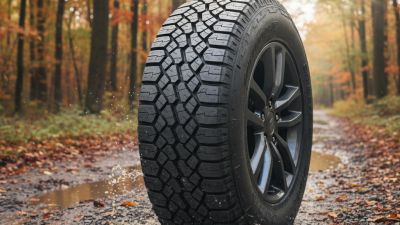
Choosing all-season winter tires begins with the climate, not the label. In mild regions, look for balanced tread blocks and wide grooves. They help clear rain while maintaining stable cornering. In frequent snow, deeper channels and many biting edges matter more. Sipes create small gripping surfaces on packed snow. I have found that a quiet test drive can hide weak ice performance. Do not judge tread appearance alone.

Rubber compound controls cold-weather flexibility. A compound that stays pliable below 7°C can improve braking on cold pavement. However, softer rubber may wear faster during hot summers. Check the tire’s tested temperature range and severe-snow certification where relevant. Those markings offer stronger evidence than advertising language. Still, certification does not replace matching the tire to local roads.

Traction technologies include interlocking sipes, reinforced shoulders, and optimized contact patches. Some designs distribute pressure more evenly during acceleration. Others improve steering response when slush covers the lane. On steep roads, all-wheel drive helps you move, but it does not shorten stopping distance. Tire pressure matters too. I once ignored a slow pressure loss and noticed poorer grip after a cold night. That mistake was avoidable. Measure pressures monthly and before long trips, using the vehicle maker’s specification. Rotate tires as recommended, and inspect tread depth before the first winter storm.

How to Select, Install, and Maintain Tires for Year-Round Use

Choosing all-season winter tires begins with your local climate, not the word “winter.” In mild regions, select tires with strong wet-grip ratings and stable handling. For regular snow, look for the Three-Peak Mountain Snowflake symbol. It indicates tested performance in severe snow conditions. An all-season tire without this marking may struggle on steep, icy streets. I learned this after braking gently downhill and still feeling the vehicle slide.

Read the size, load index, and speed rating on the vehicle placard. Do not replace them with lower specifications. The U.S. Tire Manufacturers Association recommends checking tire pressure monthly, when tires are cold. Pressure can fall about 1 psi for every 10°F temperature decrease. That small loss affects steering, braking, and tread wear. Check the spare too.

Installation needs more than fitting the tire. A technician should inspect the wheels, balance the assembly, and confirm correct rotation. NHTSA has reported more than 11,000 tire-related crashes annually in the United States. Maintenance matters. Inspect tread for uneven wear, cracks, and embedded objects before long trips. Rotate tires according to the vehicle manual, often near 5,000 to 8,000 miles. I would not trust a calendar alone; alignment problems can destroy fresh tread quickly. Wet roads expose mistakes first.