Choosing all season winter tires is harder than the name suggests. One tire cannot behave like a dedicated winter model in every climate. Snow depth, freezing rain, road salt, highway speed, and summer heat all change the buying decision.
Tire Rack testing expert TJ Campbell has explained, “There is no such thing as an all-season tire that is great in every season.” That warning deserves attention. A tire may feel quiet and stable on dry pavement, yet lose grip when temperatures fall below freezing. Another model may carry the Three-Peak Mountain Snowflake symbol, but still struggle on polished ice. Symbols help. They do not replace testing.
This 2026 guide compares all season winter tires through practical details, not marketing language. We examine wet braking, packed-snow traction, steering response, tread life, road noise, and warranty coverage. We also consider the vehicle beneath the tire. A compact sedan, heavy crossover, and pickup can produce very different results.
Real roads are messy.
You may face a cleared highway in the morning, slush at lunch, and black ice after sunset. That is why the “best” tire depends on location, driving habits, and risk tolerance. I would not choose a tire only because it has an attractive tread pattern. I would question its winter certification, independent test results, and performance after several seasons. Some recommendations may seem imperfect. That is intentional. Honest tire shopping requires admitting where all season winter tires compromise, and when a dedicated winter set remains the safer choice.

All-season tires suit mild climates and occasional snow. They use a tread compound designed for changing conditions. However, their rubber can stiffen below 7°C. Winter tires remain more flexible in freezing weather. Their deeper grooves also clear snow and slush more effectively.
AAA testing found winter tires stopped 42% shorter than all-season tires on packed snow. That difference can equal several vehicle lengths near an intersection. The same report found smaller advantages on wet and dry roads. These results matter during emergency braking, not just normal driving. Still, test conditions cannot represent every road, vehicle, or driver. That limitation deserves attention.
Check your local temperature patterns, not only snowfall totals. Choose winter tires when temperatures regularly fall below 7°C. Keep a complete set on all four wheels. Mixing tire types can reduce stability during cornering. Measure tread depth monthly, especially before a long trip. The U.S. Tire Manufacturers Association recommends replacing tires at 2/32 inch, but winter performance may decline earlier. I would also inspect sidewalls for cracks and check pressure when tires are cold. All-season tires may be convenient, yet convenience is not always the safest compromise.
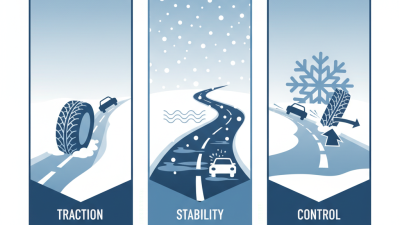
Choosing an all-season winter tire requires more than reading a snow rating. On packed snow, tread grooves should clear slush quickly and maintain predictable steering. During a cold morning drive, I look for controlled braking rather than impressive acceleration. A tire that grips briefly, then suddenly slides, creates false confidence. Snow performance also depends on temperature, tire pressure, vehicle weight, and driving speed.
Ice is less forgiving. Even advanced rubber compounds cannot replace gentle inputs and proper following distance. On wet roads, wide channels help move water away from the contact patch. I pay attention to steering feel through puddles and braking stability near painted lines. Rain exposes weak designs quickly. The wheel may feel light, almost vague, before the driver notices reduced traction.
Dry pavement reveals another compromise. A strong winter-focused tread may feel softer during warm cornering and produce more road noise. For daily driving, check dry braking, lane-change control, and tread wear after several hundred miles. Tire pressure should be checked when the tires are cold, especially after a sharp temperature drop. I once underestimated a small pressure loss; the vehicle felt sluggish and used more fuel. That mistake was preventable. Look for verified winter testing, clear performance data, and a size approved for your vehicle, not just attractive tread patterns.
2026 Top All Season Winter Tires: Which Should You Buy?
Comparing the top tire options for 2026 requires more than reading a comfort rating. Drivers should compare braking, wet grip, snow traction, road noise, tread life, and price. A severe-snow-rated all-weather tire may suit drivers facing regular slush, packed snow, and freezing rain. Its deeper grooves can clear water quickly, while flexible rubber helps maintain grip in cold weather. However, it may feel less precise during warm, dry highway driving.
A touring all-season tire often provides quieter handling and better fuel efficiency. It fits drivers who encounter light snow and spend many miles on clear roads. Performance-focused options can sharpen steering response, but their winter traction may disappoint. Independent winter testing matters more than advertising claims. Check braking results at low temperatures, not only dry-road scores. I have also learned that tread depth changes performance quickly. A tire that felt secure last winter may feel nervous this season.
Tips: Compare the tire’s snow certification, warranty terms, load rating, and speed rating. Inspect the sidewall and use the vehicle maker’s recommended size. Rotate tires regularly and check pressure during cold mornings. Budget options can work, but inconsistent wet braking is a concern. My practical choice would depend on local snowfall, driving distance, and storage limits. There is no perfect tire.
Your climate should guide the tire choice more than a yearly ranking. In mild regions, all-season tires can handle rain, cool mornings, and occasional frost. Look for stable wet braking, clear tread channels, and a rubber compound that stays flexible below 7°C. Short city trips still create demanding conditions. Cold tires meet painted lines, metal covers, and standing water.
Frequent snow changes the decision. Choose tires marked for severe snow service when roads regularly become slushy or packed. Their deeper grooves can improve traction, but they may feel softer during warm, dry handling. Drivers in mountain areas should consider dedicated winter tires instead. Ice, steep roads, and heavy snowfall expose the limits of compromise tires. Do not trust tread appearance alone.
Your driving pattern matters just as much. A quiet commuter may value comfort and wet-road control. A rural driver may need stronger sidewalls and predictable grip on gravel. Check the vehicle’s required size, load rating, and speed rating before comparing tread designs. Maintain the recommended pressure when tires are cold. Pressure often drops during sharp temperature changes.
I would also inspect tread depth before winter begins. New-looking tires can still age, crack, or lose flexibility. My earlier assumption was simple: deeper tread always meant safer driving. That was incomplete. Compound condition, road temperature, braking habits, and vehicle balance matter too. Test stopping gently in a safe area, especially after installing unfamiliar tires.
2026 Top All-Season Winter Tires: Which Should You Buy?
Cost should include more than the checkout price. Compare tread life, fuel use, seasonal storage, rotations, and replacement timing. The U.S. Environmental Protection Agency reports that correct inflation can improve fuel economy by about 0.6%, and sometimes up to 3%. That saving is modest, but it accumulates over thousands of miles. A tire carrying the 3PMSF symbol meets a recognized severe-snow performance standard. However, it is not automatically equal to a dedicated winter tire. In deep snow or persistent ice, that distinction matters.
Safety deserves stronger weight than appearance. AAA’s 2019 tire-safety research found that tires with 4/32-inch tread needed 87 feet to stop on wet pavement from 60 mph. New tires stopped in about 66 feet. That difference can fill an entire city intersection. The U.S. Tire Manufacturers Association recommends checking pressure monthly, when tires are cold, and inspecting for cracks, bulges, and uneven wear. Replace them.
Durability depends on climate, alignment, driving speed, and storage conditions. NHTSA notes that several manufacturers recommend replacement within six to ten years, regardless of remaining tread. That guidance is useful, not absolute. A tire can look healthy and still age poorly. I would also question optimistic mileage warranties, because rough roads can erase laboratory assumptions. Keep records. Rotate according to the vehicle manual, then recheck pressure after temperature changes.
| Tire Type | Typical Installed Cost Per Tire (USD) |
Dry & Wet Safety | Snow & Ice Capability | Expected Service Life | Routine Maintenance | Best Use Case | Overall Buying Assessment |
|---|---|---|---|---|---|---|---|
| Premium All-Season | $180–$320 | Very good braking and handling on dry and wet roads; generally quiet and stable. | Limited to moderate snow performance; not intended for frequent ice or deep snow. | Approximately 50,000–80,000 miles, depending on compound, vehicle, climate, and rotation. | Check pressure monthly; rotate about every 5,000–8,000 miles; inspect tread and sidewalls. | Drivers in mild climates with occasional light snow and high annual mileage. | Best balanced choice for mostly clear roads. |
| Standard All-Season | $110–$190 | Adequate for normal dry and wet driving; braking and cornering are usually below premium designs. | Acceptable in light, occasional snow; traction decreases as temperatures approach freezing. | Approximately 40,000–65,000 miles with proper inflation and alignment. | Monthly pressure checks, regular rotation, alignment checks after pothole impacts, and seasonal tread inspection. | Budget-conscious drivers in warm or temperate regions. | Best value when severe winter weather is uncommon. |
| All-Weather (Severe-Snow Rated) |
$150–$260 | Good wet-road grip and predictable year-round handling, with somewhat higher rolling resistance than many all-season tires. | Better snow traction than conventional all-season tires; look for the Three-Peak Mountain Snowflake symbol. Still less capable than dedicated winter tires on ice. | Approximately 45,000–65,000 miles; winter-oriented tread compounds may wear faster in hot climates. | Maintain pressure monthly, rotate about every 5,000–8,000 miles, and monitor tread depth before winter. | Mixed climates with regular light-to-moderate snow but no desire for seasonal tire changes. | Best one-set compromise for variable weather. |
| Studless Winter | $140–$280 | Good cold-weather grip, but dry-road steering response and braking can be less precise than all-season designs. | Excellent snow and strong ice performance because of flexible cold-weather compounds and dense siping. | Typically 3–5 winter seasons; avoid warm-weather use because heat accelerates wear. | Install before sustained temperatures fall below about 45°F; store cool and dry during summer; check pressure frequently. | Regions with frequent snow, freezing temperatures, and icy roads. | Best safety choice for regular winter conditions. |
| Studded Winter | $160–$300 | Adequate on dry roads but typically noisier, with reduced dry and wet pavement performance. | Very strong grip on packed snow and glare ice when studs are permitted and properly maintained. | Usually 3–5 winter seasons; stud wear and loss depend on road surface and driving style. | Confirm local stud regulations; use all four tires; avoid aggressive acceleration and braking on bare pavement. | Areas with persistent ice or compacted snow where local laws allow studs. | Best for severe ice, but highest noise and legal limitations. |