What Are the Best All Season Truck Tires for 2026?
Choosing the best all season truck tires for 2026 is not just a matter of brand or tread pattern. The right set must suit your truck, its load, and the roads you actually drive. A pickup hauling a trailer across wet highways has different needs from a lightly loaded SUV navigating snowy neighborhood streets. Small details matter: tire size, load rating, speed rating, and the vehicle maker’s recommendations.
Woody Rogers, a product information specialist at Tire Rack, is a relevant industry expert to consult when comparing tire performance. I can’t verify a direct quotation from him based on the material provided, so I won’t present invented words as his. A useful guiding question for this article is: “How does this tire perform in the conditions you face most?” It keeps the comparison grounded in real use, not just marketing claims.
There is no perfect tire for every truck or every season. Even “all season” has limits. These tires can offer a practical balance of wet-road grip, everyday comfort, and light-snow traction, but they are not a substitute for dedicated winter tires in severe conditions. This guide will compare leading all season truck tires by handling, tread life, noise, load capability, and value. It will also flag where the evidence is less clear, because a confident recommendation should show its limits. A little skepticism helps.
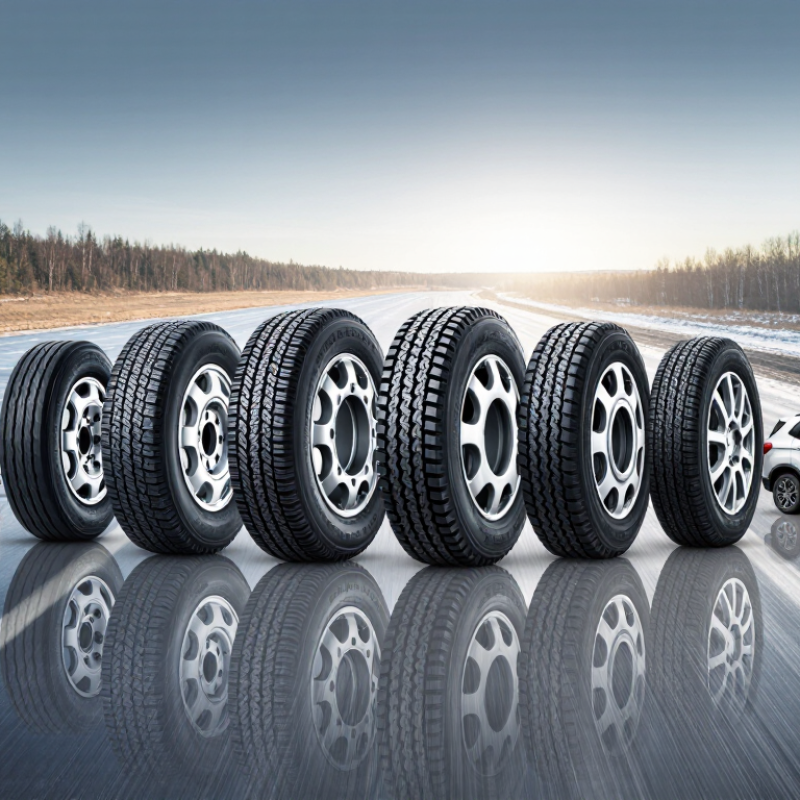
How All-Season Truck Tires Balance Year-Round Performance
What Are the Best All Season Truck Tires for 2026?
How All-Season Truck Tires Balance Year-Round Performance
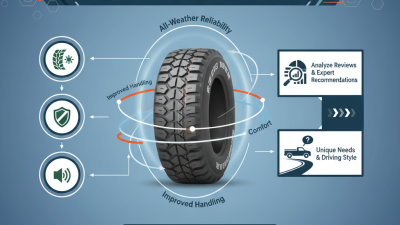
All-season truck tires are built to handle changing conditions, not excel equally in every one. Their tread channels move water away on wet roads, while their rubber compounds aim to stay usable across a broad temperature range. The trade-off shows up in deep snow, ice, and extreme heat. That compromise is real—and easy to overlook when choosing tires for a work truck or family pickup. Consider your usual routes, seasonal weather, towing needs, and time spent on unpaved roads.
The Federal Highway Administration’s Road Weather Management program estimates about 1.2 million weather-related crashes occur annually in the United States. Roughly 70% happen on wet pavement, and 46% during rainfall. Wet-road confidence matters. Look for clear tread grooves and check that the tire’s load rating suits your truck and cargo. For frequent snow travel, the Three-Peak Mountain Snowflake marking indicates a tire has met a defined snow-traction performance test; it does not guarantee strong ice braking. No single marking tells the whole story.
Tips: Check tire pressure when tires are cold, using the vehicle placard—not the maximum printed on the sidewall. Inspect tread and sidewalls monthly, especially before a long trip. If winter brings packed snow or icy hills, consider whether a dedicated winter tire is the safer fit. A little inconvenient, perhaps, but worth weighing honestly.
Which Features Matter When Comparing 2026 Truck Tires
When comparing 2026 truck tires, start with the load index and load range—not aggressive-looking tread. Match them to your truck’s door placard and typical cargo or towing weight. An empty pickup and a loaded work truck place very different demands on their tires. Check the full-size spare, too.
Wet braking deserves close attention. The AAA Foundation for Traffic Safety reported that tires worn to 4/32 inch needed 87 additional feet to stop on wet pavement at 60 mph, compared with new tires. Look for a tread pattern that clears water effectively, then check whether a tire carries the three-peak mountain snowflake marking if regular winter driving is likely. All-season does not mean equal snow performance. Small details matter.
Also compare rolling resistance, casing durability, and ride comfort. The U.S. Department of Energy and EPA’s fueleconomy.gov guidance says correct inflation can improve fuel economy by up to 3%; check pressure monthly, using the vehicle placard’s value rather than the tire sidewall maximum. Review warranty terms and independent test results, but weigh them against your routes and loads. A tougher tire may ride firmly, and quieter tread may not suit every muddy access road. I’d compare test conditions carefully; one wet-braking result cannot predict every truck’s stopping distance.
How to Match Tire Size and Load Rating to Your Truck
Choosing all-season truck tires starts with the size listed on the driver’s door-jamb placard or in the owner’s manual. Match the full size, including width, aspect ratio, and wheel diameter. A tire that looks close may still change clearance, handling, or speedometer accuracy. Check twice. If the truck has modified wheels or suspension, confirm fitment with a qualified tire technician.
Load rating matters just as much. Each tire’s load index must meet or exceed the vehicle maker’s requirement, and the tires must support the truck’s axle limits. Do not rely on appearance or sidewall toughness. For regular towing or hauling, compare the tire’s rated capacity at the specified inflation pressure with the truck’s actual demands. The door placard gives the recommended cold pressure; the maximum pressure printed on a tire is not a substitute. Numbers matter.
Some trucks use passenger-type tires, while others require light-truck tires. The right choice depends on the vehicle’s specifications and how it is used, not simply on a heavier-looking sidewall. Read the manual, especially if you tow. It is easy to focus on tread patterns and overlook load capacity; I would double-check both before buying. After installation, have the pressures and clearances checked, then recheck pressure when the tires are cold. Slightly inconvenient, but worthwhile.
What to Consider When Buying and Maintaining Truck Tires
What Are the Best All Season Truck Tires for 2026?
What to Consider When Buying and Maintaining Truck Tires
For a truck, “best” starts with fit, not a bold tread pattern. Match tire size, load range, and speed rating to the vehicle placard and owner’s manual. When towing, account for cargo and trailer tongue weight. The maximum pressure printed on a tire’s sidewall is not necessarily the correct operating pressure. Small mismatch, big consequence. Check whether your truck requires LT or P-metric tires; their load capacities can differ.
All-season tread is a compromise. Look for stable shoulder blocks and grooves that move water away from the contact patch. In snowy areas, check for the three-peak mountain snowflake symbol; “all-season” alone does not promise strong winter traction. It is easy to overvalue appearance, though tread design cannot erase the limits of wet or icy roads. Check the tire’s age and wear, too.
Maintenance matters just as much. NHTSA’s TireWise guidance recommends monthly pressure checks on cold tires, using the vehicle placard as your reference. The U.S. Department of Energy’s fueleconomy.gov estimates fuel economy drops about 0.2% for each 1 psi decrease across all tires; that estimate is not a truck-specific guarantee. Rotate tires on the vehicle maker’s schedule, and inspect for cuts or uneven wear. NHTSA advises replacing tires at 2/32 inch of remaining tread. I would also recheck pressure after a sharp temperature change. Tire-pressure sensors can lag.