The phrase “tires to go” usually describes a convenient tire-buying and installation service. Instead of visiting a traditional tire shop, drivers can order tires online or by phone. The tires may then be delivered to a home, workplace, or mobile service location. A technician can install, balance, and inspect them there.
The process sounds simple. A customer provides the vehicle’s make, model, year, and tire size. The provider checks availability, compares suitable options, and confirms a service appointment. On installation day, a technician brings the tires, removes the old set, and checks inflation pressure. Some services also inspect tread wear, valve stems, wheel condition, and alignment symptoms. Not every provider includes the same work, however.
Dan Zielinski, a senior vice president at the U.S. Tire Manufacturers Association, has said, “Tires are the only thing connecting your vehicle to the road.” That practical reminder explains why convenience should not replace careful selection. The cheapest tire may not suit a heavy SUV, frequent rain, winter driving, or a long commute. Small details matter.
A reliable tires to go provider should show clear pricing, tire specifications, warranties, technician qualifications, and disposal policies. Customers should confirm whether mounting, balancing, taxes, and roadside support cost extra. Mobile service is useful, but it can have limits. A damaged wheel or hidden suspension problem may require a full workshop. That is where this model becomes less convenient. Understanding those boundaries helps drivers choose confidently, rather than treating delivery alone as complete tire care.

Tires To Go is a mobile tire service that brings selected tires and installation support to a customer’s location. Instead of driving to a traditional tire center, the customer usually enters the vehicle details, tire size, and preferred appointment time online or by phone. A service vehicle then arrives at a home, workplace, or another safe location.
The process often begins with confirming the tire’s width, aspect ratio, rim diameter, load rating, and speed rating. A technician may inspect tread wear, valve stems, wheel condition, and tire pressure before installation. The tires can then be mounted, balanced, and inflated according to the vehicle manufacturer’s guidance. Old tires may also be removed for proper recycling, depending on local service rules.
Convenience is the main appeal.
In practical use, the service can save time during a busy workday or a sudden tire problem. However, availability, weather limits, inventory, and service fees can vary by location. A mobile appointment may not cover complex wheel damage, alignment problems, or every type of emergency. I would confirm the exact tire specifications before booking, because a small mismatch can affect handling and safety. Clear pricing and written confirmation also matter. A quick appointment is useful, but careful verification should never be rushed.
| Data Dimension | Relevant Information | How It Works in Practice | Useful Measure or Standard |
|---|---|---|---|
| Service Concept | A tire-to-go service is a convenient tire purchasing, delivery, installation, or replacement model designed to reduce the need for customers to visit a traditional tire shop. | The customer selects a suitable tire size and type, schedules delivery or service, and receives installation at a service location or, where available, at a convenient mobile location. | Availability depends on tire inventory, vehicle compatibility, technician coverage, and the customer’s location. |
| Typical Customer Process | The process generally includes vehicle information collection, tire selection, quotation, appointment booking, installation, and payment. | Accurate vehicle details help match the correct tire dimensions, load capacity, speed rating, and seasonal design. | Common vehicle details include tire size, vehicle year, make, model, trim, and current tire specifications. |
| Tire Size | A tire size is usually displayed as a sequence such as 225/60R17. The numbers identify width, aspect ratio, construction type, and wheel diameter. | The service provider uses the vehicle placard, owner’s manual, or existing tire sidewall to confirm compatibility before installation. | In 225/60R17, 225 indicates width in millimeters, 60 indicates the sidewall height as a percentage of width, and 17 indicates wheel diameter in inches. |
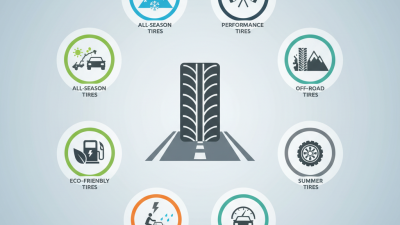
| Tire Categories | Common categories include all-season, summer, winter, touring, performance, and light-truck tires. | The appropriate category is selected according to climate, road conditions, driving style, vehicle use, and manufacturer requirements. | Winter tires are designed for cold conditions; all-season tires are intended for a broader range of moderate conditions. |
| Installation Work | Professional installation normally includes removing the old tires, mounting the new tires, inflating them, and balancing the wheel assemblies. | Wheel balancing helps distribute weight evenly and can reduce vibration during driving. | Installation should follow the vehicle manufacturer’s torque and inflation specifications. |
| Wheel Alignment | Alignment adjusts the angles of the wheels so they meet the vehicle manufacturer’s specifications. | It may be recommended when uneven tread wear, steering pull, an off-center steering wheel, or suspension impact is present. | Alignment is separate from tire mounting and balancing and may require an additional inspection or service. |
| Inflation Pressure | Correct tire pressure supports handling, braking performance, tread life, and fuel efficiency. | Pressure should be checked when the tires are cold and adjusted according to the vehicle placard or owner’s manual. | The recommended pressure is vehicle-specific and is not necessarily the maximum pressure printed on the tire sidewall. |
| Tread Condition | Tread depth affects wet-road traction and the tire’s ability to channel water away from the contact patch. | Tires should be inspected for low tread, irregular wear, cracks, bulges, punctures, or exposed structural material. | 2/32 inch is commonly used in the United States as the minimum legal tread depth for many passenger tires, although requirements can vary by jurisdiction. |
| Tire Rotation | Rotation changes the position of tires on the vehicle to help promote more even tread wear. | Rotation patterns depend on drivetrain, tire design, and whether the tires are directional or staggered. | Many vehicle manufacturers recommend rotation approximately every 5,000 to 8,000 miles, but the owner’s manual takes priority. |
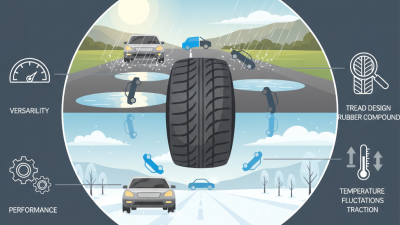
| Seasonal Selection | Cold temperatures can reduce the flexibility of some tire compounds, while hot weather can affect wear and handling. | Drivers in areas with persistent snow and ice may use winter tires, while drivers in moderate climates may choose all-season tires. | Winter-tire suitability is often considered when temperatures regularly fall below approximately 45°F or 7°C. |
| Tire Age | Rubber compounds can age over time even when tread remains visible, particularly when tires are exposed to sunlight, heat, or improper storage. | The manufacturing date can be reviewed on the tire identification code, and older tires should receive a careful professional inspection. | Many safety organizations recommend increased inspection after six years and considering replacement around ten years from manufacture, subject to condition and manufacturer guidance. |
| Convenience Benefits | The main advantages are simplified ordering, scheduled service, reduced travel time, and consolidated tire-related assistance. | Customers can compare tire specifications and arrange service without handling the installation themselves. | Actual delivery times, service locations, appointment availability, and included services vary by provider and region. |
| Safety Checks | A complete tire service should identify visible damage, incorrect pressure, uneven wear, valve problems, and wheel-related concerns. | Technicians inspect the tires before and after installation and advise whether further alignment, repair, or replacement is appropriate. | A puncture in the sidewall, a severe bulge, exposed cords, or major structural damage generally requires replacement rather than repair. |
| Environmental Handling | Used tires should be managed through approved recycling, recovery, or disposal channels instead of being abandoned or burned. | The installer or customer arranges responsible handling of removed tires according to local regulations. | Rules and disposal fees vary by jurisdiction, and some areas restrict tire storage or landfill disposal. |