What are Eco Tires and How Do They Benefit Your Business?
In today’s world, sustainability is a key focus for businesses. Eco tires are becoming a popular choice for companies striving to reduce their environmental impact. These specialized tires are designed to increase fuel efficiency and decrease harmful emissions. Businesses that prioritize eco tires can enhance their green credentials while also saving on fuel costs.
Choosing eco tires may seem like a minor decision, but it carries substantial implications. For example, less fuel consumption translates to lower operating expenses. This can improve a company's overall profitability. However, businesses must consider the initial investment in eco tires, which can be higher than standard tires. It’s essential to weigh these costs against the long-term benefits they offer.
Implementing eco tires is not just about cost savings. It demonstrates a commitment to environmental stewardship. Companies can attract eco-conscious customers and improve brand loyalty. Nevertheless, some businesses may hesitate, fearing a compromise in performance. Striking a balance between sustainability and efficiency is crucial. The choice to adopt eco tires reflects a growing awareness of responsible business practices.

What Are Eco Tires? An Overview of Their Design and Composition
Eco tires represent a new wave in tire technology, focusing on sustainability. They are designed using advanced materials that reduce environmental impact. This includes lower rolling resistance, which enhances fuel efficiency. Studies show that eco tires can improve fuel economy by up to 5%. This not only helps reduce carbon emissions but also saves costs for businesses.
The composition of eco tires often includes renewable materials such as natural rubber and bio-based fillers. These alternatives aim to decrease reliance on petroleum-based products. A report from the Tire Industry Association suggests that eco-friendly tires can lead to a significant reduction in greenhouse gas emissions. This shift is important for businesses looking to enhance their sustainability practices.
Tips: When choosing eco tires, consider the tread design and its impact on performance. Regularly check tire pressure to ensure optimal fuel efficiency. Additionally, monitor wear patterns to maximize their lifespan. Each of these practices contributes to better performance and environmental sustainability. Reflecting on these factors can help your business make informed choices.
The Environmental Impact of Traditional Tires vs. Eco Tires
The environmental impact of traditional tires is significant. Conventional tires are made from non-renewable resources and contribute to pollution throughout their life cycle. According to the European Commission, about 1.5 billion tires end up in landfills each year, resulting in harmful emissions and soil contamination. Eco tires, made from sustainable materials, greatly reduce this footprint. They utilize green compounds that help decrease toxic waste and promote better tire recycling methods.
Switching to eco tires can enhance your business reputation. Eco-conscious consumers prefer brands that prioritize sustainability. In a recent survey by Nielsen, over 66% of global consumers are willing to pay more for sustainable goods. This shift in consumer behavior presents an opportunity for companies to attract a growing market segment. Brands can gain a competitive advantage while contributing positively to the environment.
Tips: Consider integrating eco tires into your supply chain. Evaluate suppliers who prioritize sustainable practices. Regularly share your sustainability efforts on social media. Transparency builds trust and shows commitment to environmental responsibility. Remember, every small change counts.
How Eco Tires Contribute to Fuel Efficiency and Cost Savings
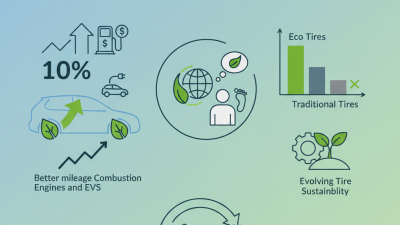
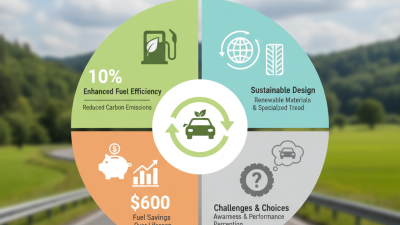
Eco tires are designed to enhance fuel efficiency while minimizing environmental impact. A recent study by the Tire Industry Association reveals that eco tires can improve fuel economy by up to 10%. This reduction in fuel consumption translates into significant cost savings for businesses operating fleets. By using eco tires, companies can lower their fuel expenses, making their operations more profitable over time.
These tires are crafted with lower rolling resistance, which means vehicles require less energy to move. This efficiency allows businesses to benefit from reduced overall operating costs. According to research from the U.S. Department of Energy, reducing rolling resistance by just 5% can lead to a 2-5% increase in fuel economy. Such statistics highlight the potential savings for companies that prioritize eco-friendly options.
Balancing cost and performance is crucial. However, eco tires may not perform as well in all driving conditions. Businesses need to weigh the pros and cons carefully. While the upfront investment in eco tires may be higher, the long-term savings can be substantial. Consider individual driving patterns and operational needs before making a decision.
What are Eco Tires and How Do They Benefit Your Business? - How Eco Tires Contribute to Fuel Efficiency and Cost Savings
| Feature |
Benefit |
Fuel Efficiency Improvement (%) |
Cost Savings ($/year) |
| Low Rolling Resistance |
Reduces fuel consumption |
10% |
$300 |
| Recycled Materials |
Promotes sustainability |
N/A |
$50 |
| Longer Tread Life |
Fewer replacements needed |
5% |
$200 |
| Lower CO2 Emissions |
Improves environmental impact |
15% |
$100 |
Case Studies: Businesses That Successfully Implemented Eco Tires
Many businesses have found success by switching to eco tires. These tires enhance fuel efficiency and reduce harmful emissions. Case studies show significant improvements in operational costs while promoting eco-friendliness.
One logistics company saw a 15% reduction in fuel consumption after implementing eco tires. This decision not only cut costs but also attracted environmentally conscious clients. Another retail firm reported a notable decrease in maintenance costs. The durability of eco tires played a crucial role in this outcome.
However, some businesses struggled with the initial investment. The long-term benefits were clear, but upfront costs made decision-makers hesitant. It's vital to weigh both sides carefully. Success often requires navigating these challenges thoughtfully. The overall impact on brand reputation can be immense.
Impact of Eco Tires on Fuel Efficiency and Emissions Reduction
The Future of Eco Tires: Innovations and Industry Trends
The future of eco tires shows exciting innovations that could reshape the automotive industry. According to a report by the Rubber Manufacturers Association, eco tires can reduce rolling resistance by 20-30%. This efficiency boost translates to significant fuel savings. Businesses adopting eco tires stand to benefit from lower operational costs. The shift toward eco-friendly solutions is not merely a trend; it's a necessity.
Industry trends indicate a growing market for sustainable products. The global eco tire market is projected to reach $45 billion by 2026, according to a report by Research and Markets. This growth is fueled by increasing consumer demand for environmentally responsible options. Companies committed to sustainability could gain a competitive edge. However, the adoption of eco tires raises questions about long-term performance and cost implications. While many eco tires show promise, their durability and lifespan often spark debate among industry professionals.
In addition, innovations in materials are ongoing. New types of rubber blends and additives enhance performance while reducing environmental impact. The challenge lies in balancing performance with sustainability. Ongoing research and development must address durability concerns. As businesses consider eco tires, they must critically evaluate the benefits against potential drawbacks. Understanding these complexities is crucial for informed decision-making.