How to Choose the Best Eco Tires for Your Vehicle?
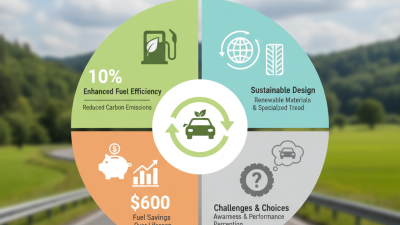
When selecting eco tires, understanding their impact is crucial. According to a 2021 report by the U.S. Department of Energy, proper tire choice can improve fuel efficiency by up to 3%. This reduction not only saves money but also cuts greenhouse gas emissions. Eco tires, designed with sustainability in mind, help reduce the carbon footprint of vehicles.
However, not all eco tires are created equal. A study from Tire Review shows that over 60% of consumers lack awareness of the specific eco labels and certifications. This gap can lead to confusion about which tires truly meet environmental standards. Factors such as tread life, rolling resistance, and material composition should be carefully considered.
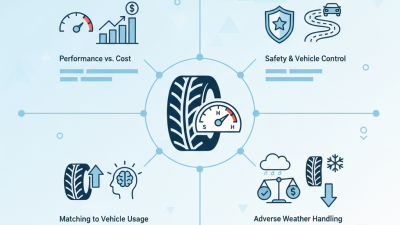
Selecting the best eco tires requires a fine balance between performance and sustainability. While many brands claim eco-friendliness, real-world performance can vary. It's essential to analyze independent reviews along with manufacturer claims. Choosing eco tires is a step toward greener transport, but it demands informed decisions.
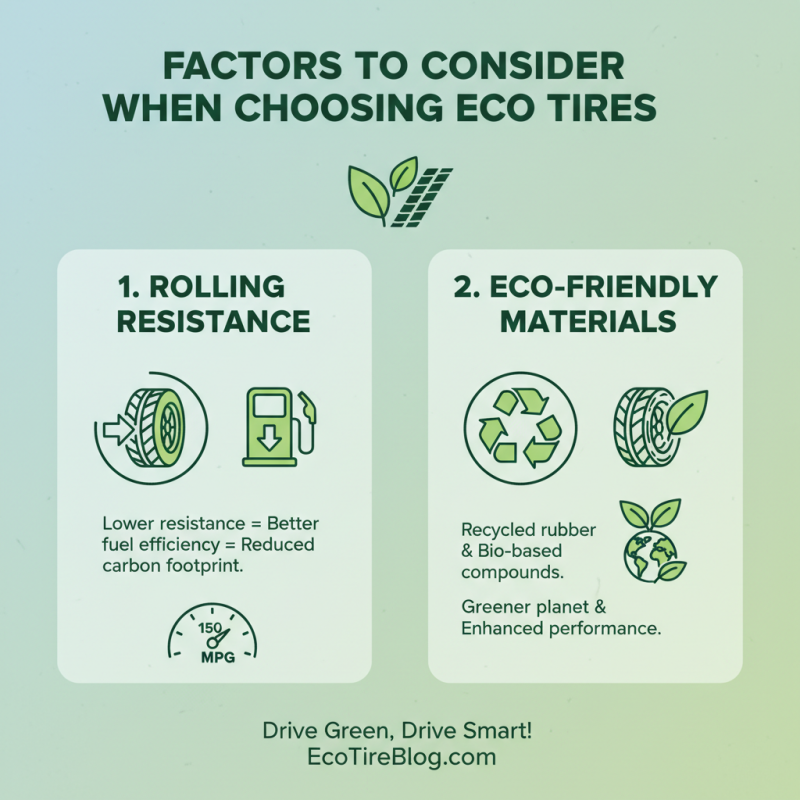
Factors to Consider When Choosing Eco Tires
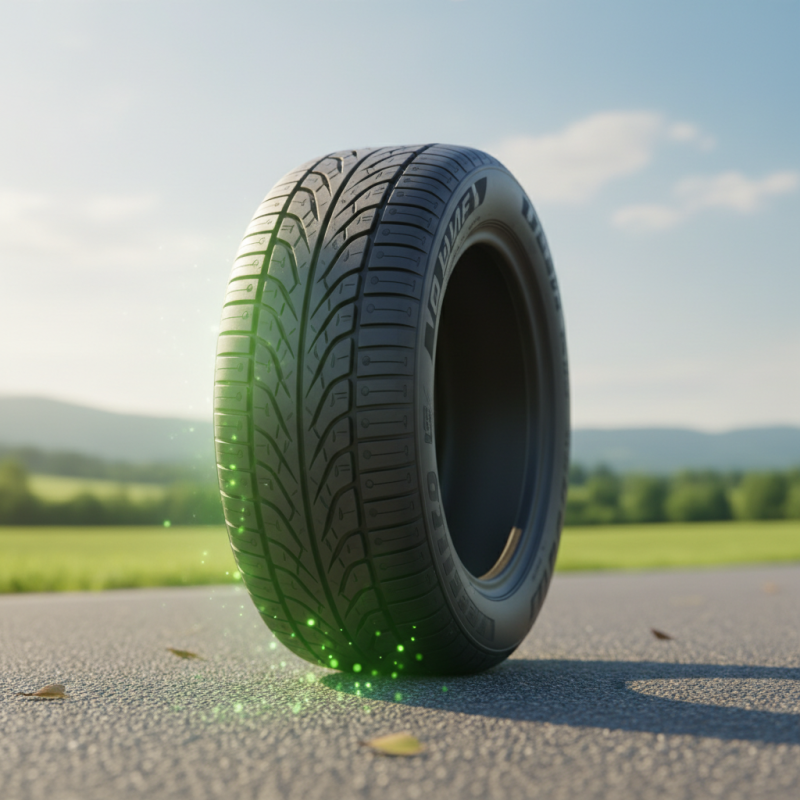
When selecting eco tires for your vehicle, several factors play a crucial role. First, consider the tire's rolling resistance. Tires with lower rolling resistance improve fuel efficiency, thus reducing your carbon footprint. Look for eco-friendly materials, such as recycled rubber or bio-based compounds. These materials contribute to a greener planet and can enhance tire performance.
Pay close attention to tread patterns. A well-designed tread can improve traction and reduce noise. Many eco tires feature unique patterns that provide better grip on wet and dry roads. Don't overlook the importance of tire size, as it affects handling and efficiency. Ensure that the size matches the manufacturer’s recommendations for optimal performance.
Tips: Check the tire's warranty and durability. A shorter lifespan may result in more waste and higher costs long-term. Always verify the eco tire ratings. These ratings can help guide you to the best option for your needs. Remember, eco tires should balance sustainability with safety and performance. A well-informed choice can lead you toward a more sustainable driving experience, even if it takes time to find the perfect match.
Understanding Eco Tire Ratings and Certifications
When choosing eco tires, understanding their ratings and certifications is crucial. Eco tires are designed to minimize environmental impact. They achieve this through lower rolling resistance, which improves fuel efficiency. According to the U.S. Environmental Protection Agency, reducing rolling resistance can enhance gas mileage by 1-3 miles per gallon.
Two key certifications to look for are the Green Seal and EcoLabel. The Green Seal certification indicates sustainability in manufacturing. EcoLabel focuses on environmental performance throughout the tire's life cycle. These certifications assure consumers of a product's eco-friendliness. However, not all eco tires meet these standards. Reports suggest that some tires marketed as "eco-friendly" may mislead consumers.
Tire ratings also play a significant role. The Uniform Tire Quality Grading (UTQG) system evaluates tread wear, traction, and temperature resistance. Each rating impacts vehicle performance and safety. A high traction rating indicates better grip, while a low tread wear rating may require more frequent replacements. Balancing performance and eco-friendliness can be challenging. Many drivers may prioritize immediate savings over long-term benefits. Educating oneself about these aspects can lead to more informed choices.
Evaluating Tread Life and Durability of Eco Tires
When selecting eco tires, tread life and durability hold significant importance. Understanding these aspects can help you make informed choices. Tread life refers to how long the tire lasts before needing replacement. A longer lifespan means less frequent purchases and reduced waste. Look for tires with high treadwear ratings. They often indicate longevity. However, not all tires rated high for treadwear perform well.
Durability also matters. Tires encounter varying road conditions, impacting their life. Consider tires that withstand weather changes and rough terrains. Some tires excel in wet conditions but may wear quickly on dry surfaces. Hence, it's essential to evaluate your driving habits and the environments you frequent.
Lastly, reflect on your tire choices over time. Eco tires can save fuel and reduce emissions, but they may not always perform as expected. Consumer feedback often identifies problems that manufacturers may overlook. Reading reviews can give you insight into real-world tire performance. Balancing durability and eco-friendliness requires careful consideration. Take your time to research, ensuring you choose the best option for your vehicle.
Eco Tires: Evaluating Tread Life and Durability
Comparing Prices and Brands of Eco-Friendly Tires
When choosing eco-friendly tires, understanding price variations is essential. Many brands offer a range of eco tires, and costs can differ significantly. Researching various options can highlight both high-end and budget choices. Prices may vary based on features such as rolling resistance, tread design, and warranty offerings. Consumers often prioritize durability and performance while keeping an eye on their budget.
Comparing brands also requires attention to reviews and testing results. Some tires may promise efficiency but fail in real-world conditions. Reading customer feedback gives insight into actual performance. Each driver's experience may differ, influencing the overall satisfaction with a tire. A tire that works well in one climate might underperform in another. Thus, personal driving habits matter when selecting the right eco tire.
It's crucial to reflect on the trade-offs. Cheaper tires might save money upfront, but longevity can be a concern. Investing slightly more could enhance safety and efficiency. Balancing eco-friendliness with personal requirements helps in making an informed decision. Understanding these aspects ensures that your choice aligns with both your values and driving needs.
How to Choose the Best Eco Tires for Your Vehicle? - Comparing Prices and Brands of Eco-Friendly Tires
| Tire Type |
Rolling Resistance (Lv) |
Treadwear Rating |
Price (USD) |
Eco-Friendliness Rating |
| All-Season Eco Tire |
Low |
500 |
80 |
4.5/5 |
| Green Performance Tire |
Medium |
600 |
95 |
4.0/5 |
| Eco-Friendly SUV Tire |
Low |
450 |
120 |
4.7/5 |
| All-Terrain Eco Tire |
Medium |
550 |
110 |
4.3/5 |
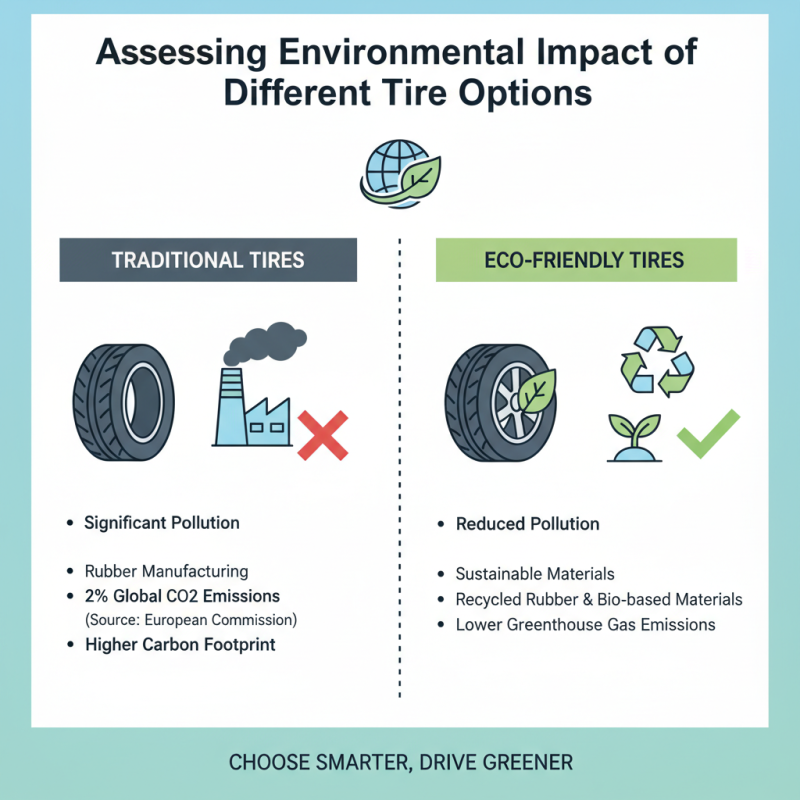
Assessing Environmental Impact of Different Tire Options
When choosing eco tires, assessing their environmental impact is essential. The rubber used in tire manufacturing can create significant pollution. According to a study by the European Commission, tire production accounts for up to 2% of global CO2 emissions. Selecting tires made from sustainable materials can reduce this footprint. For example, eco-friendly tires often contain recycled rubber and bio-based materials. This shift can lead to a decrease in greenhouse gas emissions.
Another critical factor is tire longevity. Research by the U.S. Environmental Protection Agency shows that tires with lower rolling resistance improve fuel efficiency. These tires can contribute to a significant reduction in fuel consumption over their lifespan. A recent report indicated that using eco tires can save up to 200 gallons of fuel over the life of four tires. This saving translates into reduced CO2 emissions, highlighting the positive environmental impact of selecting the right tire.
However, not all eco tires perform equally. Some might sacrifice traction or durability for environmental benefits. It's important to consider both performance and environmental factors when making a choice. A balanced approach will lead to better choices for both vehicle functionality and environmental responsibility.