10 Best Traction Tires for All Weather Driving
Choosing the right traction tires for all-weather driving requires more than reading a popularity list. Drivers face rain-soaked highways, cold morning commutes, light snow, gravel shoulders, and sudden temperature changes. A tire that feels confident in summer rain may lose stability when temperatures fall near freezing. That difference matters.
This guide examines 10 traction tires selected for balanced performance across changing conditions. The evaluation focuses on wet braking, cornering control, snow grip, tread design, road noise, ride comfort, and expected service life. Manufacturer specifications provide a starting point, while independent testing and verified owner experiences add practical context. Tire size, load rating, speed rating, and vehicle compatibility also deserve careful attention. A highly rated tire can still be unsuitable when those details are ignored.
No tire performs perfectly everywhere. That is worth admitting. All-weather tires often offer broader seasonal flexibility, but dedicated winter tires may remain stronger in severe snow and ice. Results can also change with tire pressure, tread wear, driving habits, and local climate. Even the most convincing review cannot replace checking your vehicle’s manual or consulting a qualified tire professional. Our recommendations aim to make that decision clearer, not pretend that one model fits every driver. Expect practical comparisons, realistic limitations, and details you can use before visiting a tire shop or placing an order.
Understanding Traction Tires and All-Weather Performance
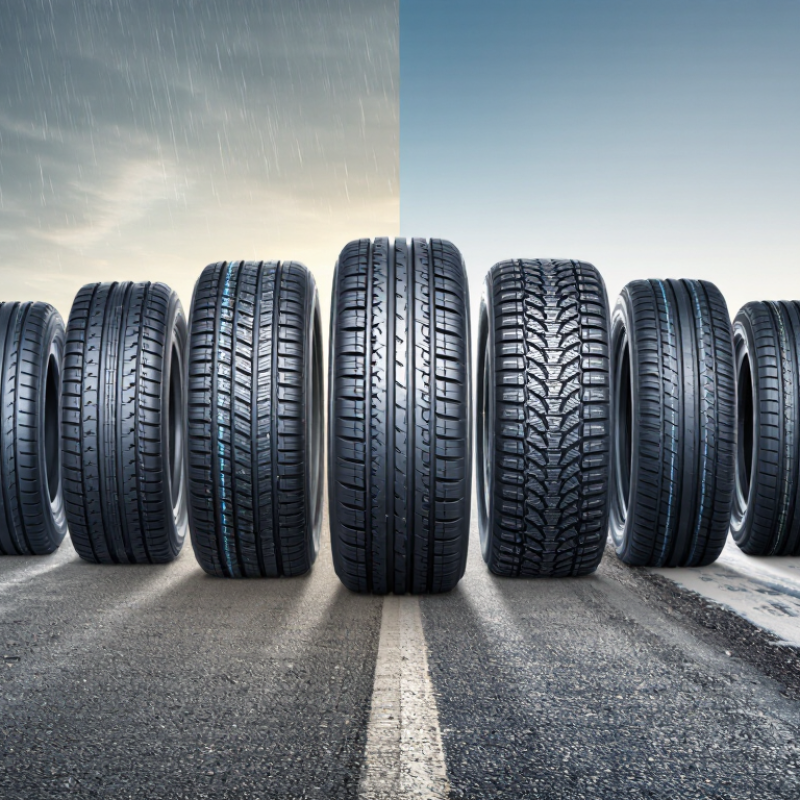
Traction tires are designed to keep contact when roads turn wet, cold, or lightly snowy.
Their tread blocks include dense sipes, while the rubber compound remains flexible below ordinary winter temperatures. Many carry the Three-Peak Mountain Snowflake symbol, showing they passed a standardized severe-snow test. However, this symbol does not make them equal to dedicated winter tires.
Performance depends on more than tread design. NHTSA’s national tire pressure survey found roughly 26% of passenger vehicles had at least one significantly underinflated tire. Low pressure can reduce steering response and accelerate shoulder wear. The U.S. Tire Manufacturers Association also reports that proper maintenance can prevent many tire failures.
Check pressure when tires are cold, and inspect tread before long trips. A tread-depth gauge is more reliable than a visual guess. I have found that drivers often replace tires too late. The remaining grooves may look acceptable, yet wet braking can already feel vague.
Tips:
Match the tire to your climate, vehicle load, and driving route. Look for even wear, correct pressure, and the severe-snow symbol when regular snowfall is expected. Rotate tires according to the vehicle maker’s schedule. Do not assume an all-weather tire removes every winter risk. Ice remains difficult, even with strong traction. A careful choice matters, but honest limits matter more.
How to Compare the Best Traction Tires for Everyday Driving
Choosing traction tires for all-weather driving requires more than checking a snow symbol. Compare how each tire performs on wet pavement, loose gravel, light snow, and dry roads. A deep, well-spaced tread can clear water and slush effectively. However, aggressive tread may create extra road noise and slower steering response.
Review independent test results, but read the conditions carefully. A tire tested in heavy rain may not perform equally on packed snow. Check the tire’s size, load rating, speed rating, and temperature range against your vehicle manual. Tread depth matters, too. A nearly worn tire loses traction, even if its original design was excellent. Inspect the production date because rubber gradually hardens with age. This detail is easy to miss.
Tips:
Compare braking distances before cornering grip. Feel the steering on a quiet road. Check pressure when tires are cold. Rotate them according to the vehicle maker’s schedule. Do not choose a tire only because it looks rugged. That approach can disappoint during emergency braking. A balanced tire often feels less exciting, but it may provide steadier control for daily commutes. Consider your real routes, not an imagined winter trip. If most driving happens on wet city streets, wet braking should carry more weight than deep-snow ability. Recheck your choice after one season, because road noise, wear, and comfort reveal practical weaknesses.
Top All-Weather Traction Tire Options and Their Strengths
All-weather tires are designed for drivers who face rain, cold mornings, light snow, and changing road conditions. Their strongest advantage is balanced traction across several seasons. A deep, directional tread can move water away quickly. Dense siping helps the tread grip packed snow. However, no tire performs perfectly on every surface. Severe ice still demands extra caution.
When comparing the best traction options, examine braking control before cornering feel. A strong tire should stop steadily on wet asphalt without sudden steering corrections. Firm shoulder blocks can improve stability during lane changes. Softer rubber may remain flexible below freezing, but it can wear faster during hot summers. Some models also produce more road noise. That trade-off is easy to overlook.
Real-world testing
should include a flooded intersection, a shaded bridge, and a gravel driveway. Check tire pressure before testing, because low pressure can weaken handling and increase wear. Drivers should also inspect tread depth regularly. A tire may appear healthy but lose snow grip as its channels become shallow. Rotation helps support even wear, although alignment problems can ruin that benefit. Personal driving habits matter too. A cautious commuter may value quiet comfort, while a rural driver may need stronger bite in slush. I would not choose from tread appearance alone. Measured braking results, temperature ratings, warranty terms, and independent test data offer better evidence. Experiences can differ, and that deserves honest attention.
Choosing the Right Tire for Your Vehicle and Local Climate
Choosing among the 10 best traction tires starts with your local climate, not advertising claims. A tire that grips icy mountain roads may feel too soft and vague during hot, heavy rain. The Federal Highway Administration reports that wet pavement causes about 74% of weather-related crashes, while rainfall is present in roughly 46%. Wet-weather traction deserves serious attention.
For frequent rain, choose tires with wide grooves and stable tread blocks. For regular snow, look for the severe-snow symbol, not just the phrase “all weather.” Its testing standard measures traction on packed snow. In mild regions, an all-season tire may offer quieter handling and longer wear. However, rubber compounds harden in cold temperatures. Below about 7°C, winter-focused designs usually retain better flexibility.
Check the vehicle’s placard for pressure, then measure tires when cold. The U.S. Department of Energy states that correct inflation can improve fuel economy by up to 3.3%. I have found that drivers often judge traction by tread appearance alone. That is a weak test. Tread depth, rubber age, wheel alignment, and road surface all matter. The U.S. Tire Manufacturers Association recommends replacing tires at 2/32 inch of remaining tread, but waiting that long may be unwise in heavy rain. Local storms, steep driveways, and poorly cleared roads should influence the final choice.
10 Best Traction Tires for All Weather Driving - Choosing the Right Tire for Your Vehicle and Local Climate
A non-branded comparison of tire profiles selected for dependable traction across rain, cold temperatures, light snow, and mixed road conditions.
Notes: Tread depth is shown in thirty-seconds of an inch, the standard measurement used for passenger tires in North America. The Three-Peak Mountain Snowflake symbol identifies tires certified for severe-snow service; M+S marking alone does not represent the same severe-snow testing. Service-life estimates vary with alignment, inflation, driving style, vehicle weight, road surface, and climate. Always confirm the vehicle manufacturer’s approved tire size, load rating, and speed rating before purchase.