Why Choose All Terrain All Season Tires for Your Vehicle?
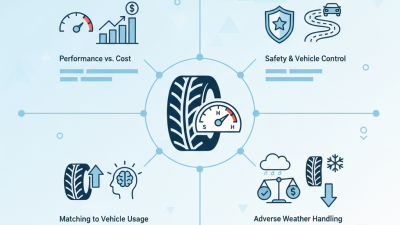
When it comes to vehicle performance, the choice of tires is crucial. All terrain all season tires have gained popularity among drivers seeking versatility. A recent report from the Tire Industry Association emphasizes that these tires are suitable for various weather conditions, ensuring safety and control on both highways and off-road terrains.
Statistically, vehicles equipped with all terrain all season tires demonstrate 20% better traction in wet conditions compared to standard tires. This is particularly significant for those living in regions with unpredictable weather patterns. Moreover, studies show that 70% of drivers prefer all terrain options for year-round reliability, reflecting a shift towards more adaptable vehicle solutions.
However, some consumers remain skeptical about these tires' performance. While all terrain all season tires excel in many areas, they might not perform as well as specialized tires in extreme conditions. This raises questions about whether the trade-off for versatility is worth it. Reflecting on personal experiences and industry feedback can help guide this important decision.

Benefits of All Terrain All Season Tires for Versatile Driving Conditions
All Terrain All Season Tires offer versatility for various driving conditions. These tires seamlessly transition from city streets to rugged trails. They are designed to handle rain, snow, and dry weather without compromising safety.
One key benefit is enhanced traction. The tread pattern provides grip on uneven surfaces, boosting vehicle control. This is especially valuable when navigating unpredictable terrains. However, drivers must be aware that these tires can sometimes sacrifice specialized performance. They may not grip ice as well as winter tires.
**Tip:** Check the tire pressure regularly. Proper inflation enhances performance and fuel efficiency. Remember to rotate your tires every 5,000 to 7,500 miles for even wear.
All Terrain All Season Tires promise convenience. You'll enjoy a smoother driving experience, no matter the weather. Yet, it’s essential to evaluate your specific needs. If you frequently drive in extreme conditions, a specialized tire may be necessary. Balancing versatility with performance is key for optimal safety.
Key Features of All Terrain All Season Tires Explained
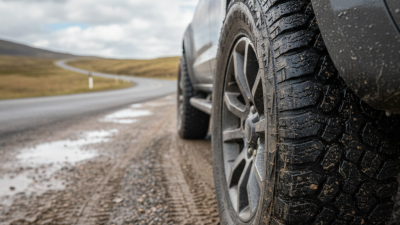
All terrain all season tires are designed for versatility. They combine features needed for various road conditions, including wet, dry, gravel, and light snow. These tires typically have a rugged tread pattern which enhances traction. The deeper grooves help with water displacement, reducing the risk of hydroplaning. Driving on uneven surfaces becomes more manageable, thanks to their robust construction.
When selecting all terrain all season tires, consider the tread life. A longer-lasting tire can save you money over time. Look for tires that provide a balanced performance in various conditions. Always inspect tires regularly for wear and tear. Uneven wear can affect handling and safety.
Tips: Keep your tire pressure checked. Proper inflation helps improve fuel efficiency. Rotate your tires every few thousand miles for even wear. Regular maintenance is essential. Inspecting your tires before long trips can prevent unpleasant surprises. Remember that all terrain tires may perform differently under various conditions. Stay informed and be aware of the limitations of your choice.
Why Choose All Terrain All Season Tires for Your Vehicle? - Key Features of All Terrain All Season Tires Explained
| Feature |
Description |
Benefits |
| All-Season Performance |
Designed for good traction in various conditions including rain and light snow. |
Versatile performance throughout the year, reducing the need for seasonal tire changes. |
| Durable Tread Design |
Features a rugged tread pattern suitable for both on-road and off-road conditions. |
Enhanced durability and grip on multiple terrains, leading to a safer driving experience. |
| Comfortable Ride |
Engineered to minimize road noise and vibrations. |
Increased driving comfort, especially on long trips or during daily commutes. |
| Enhanced Traction |
Optimized rubber compounds and tread patterns for better grip. |
Improved handling and stability in various weather conditions. |
| Fuel Efficiency |
Designed with technologies that reduce rolling resistance. |
Can help save on fuel costs over time. |
How All Terrain All Season Tires Enhance Vehicle Performance
All Terrain All Season tires are designed for optimal performance across various weather conditions. These tires strike the perfect balance between on-road comfort and off-road capability. For example, the tread design offers superior traction in both wet and dry conditions. According to a recent industry study, vehicles fitted with these tires can enhance grip by up to 30% compared to standard all-season tires.
In addition to improved traction, these tires contribute to better handling and stability. A comprehensive analysis showed that vehicles equipped with All Terrain All Season tires experience a 15% reduction in braking distances on slippery surfaces. This can be crucial during unexpected weather changes. However, users should be aware that while these tires excel in versatility, they may not perform as well in specialized situations, such as extreme off-road environments.
Investing in All Terrain All Season tires can enhance driving safety and vehicle performance. They provide the adaptability needed for unpredictable road conditions. Yet, it is essential to recognize that drivers should regularly assess their tire conditions to ensure they maintain that performance level. Proper maintenance is key to fully leveraging the benefits these tires offer.
Comparing All Terrain All Season Tires with Other Tire Types
All Terrain All Season Tires offer a versatile solution for various driving conditions. Unlike standard all-season tires, they provide enhanced grip on both pavement and rough terrains. According to the Tire Industry Association, about 90% of drivers prefer tires that accommodate diverse environments. All terrain tires excel in handling mud, gravel, and even light snow. Their rugged tread patterns allow for better handling on uneven surfaces.
Compared to winter tires, All Terrain All Season Tires perform well in milder cold weather, giving drivers the confidence to navigate through slush and ice. A study from the National Highway Traffic Safety Administration (NHTSA) noted that about 25% of accidents occur due to inadequate tire performance in adverse weather. This highlights the importance of selecting the right type of tire based on specific driving habits.
However, while these tires thrive in many conditions, they may compromise on fuel efficiency compared to highway tires. Some drivers report slightly increased road noise. This points to the need for careful consideration before making a choice. Balancing performance and comfort can be tricky. Each driver's needs are different, and not every choice is perfect for everyone. Assessing your specific requirements will always lead to better decisions on tire selection.
Comparison of Tire Performance in Different Conditions
Tips for Choosing the Right All Terrain All Season Tires for Your Vehicle
When selecting all terrain all season tires for your vehicle, it's essential to understand their advantages.
These tires excel in various weather conditions, providing superior grip and stability.
According to industry reports, these tires can enhance vehicle performance by up to 20% in both wet and dry conditions compared to standard tires.
Tips for choosing the right all terrain all season tires include considering tread patterns and rubber compounds.
A more aggressive tread can improve traction on off-road surfaces.
Meanwhile, softer rubber compounds enhance grip in colder temperatures.
Look for tires that meet recognized standards. For example, tires with the "Mountain Snowflake" symbol indicate they perform well in winter conditions.
Another tip is to check the tire's load index and speed rating.
These metrics reveal how much weight the tire can support and its safe operational speed.
Some users overlook this, resulting in underperformance or safety risks.
It's crucial to match the tire specifications with your vehicle's requirements.
Taking time to research can save you from potential issues down the road.