Why Choose Ice Tires for Global Winter Driving?
Winter roads rarely look dangerous at first glance. A dry highway can hide polished ice beneath a thin, glassy film. In northern Canada, Scandinavia, Japan, and mountain regions, temperatures can change faster than road conditions. Ice tires, commonly called studded or severe-winter tires, use flexible compounds and specialized tread patterns for these moments.
The American Automobile Association’s 2016 winter-tire research reported substantially stronger snow and ice traction than comparable all-season tires. The U.S. Tire Manufacturers Association also explains that winter compounds remain flexible below 7°C, while many all-season compounds gradually harden. Tire Rack’s independent testing shows a similar pattern: stopping distance and cornering control depend heavily on temperature, surface texture, and tire design. Numbers vary.
Matt Edmonds, executive vice president of Tire Rack, has stated, “Winter tires are not just for snow; they are for cold temperatures.” That distinction matters. On a frozen bridge, extra grip can help a driver brake earlier, steer around a stopped vehicle, or avoid a roadside barrier. Ice tires cannot defeat physics. They do not make reckless speed safe, and they cannot replace careful driving.
Regional rules also differ. Some countries permit studs only during designated months, while others restrict them because of pavement wear. Drivers should confirm local requirements before purchase. They should also compare studded and studless models, because quiet urban roads and remote mountain routes demand different compromises.
The strongest choice is not always the most aggressive tire. It is the tire matched to actual winter surfaces, vehicle weight, driving habits, and local regulations. That judgment may feel less convenient, but winter safety rarely rewards shortcuts.
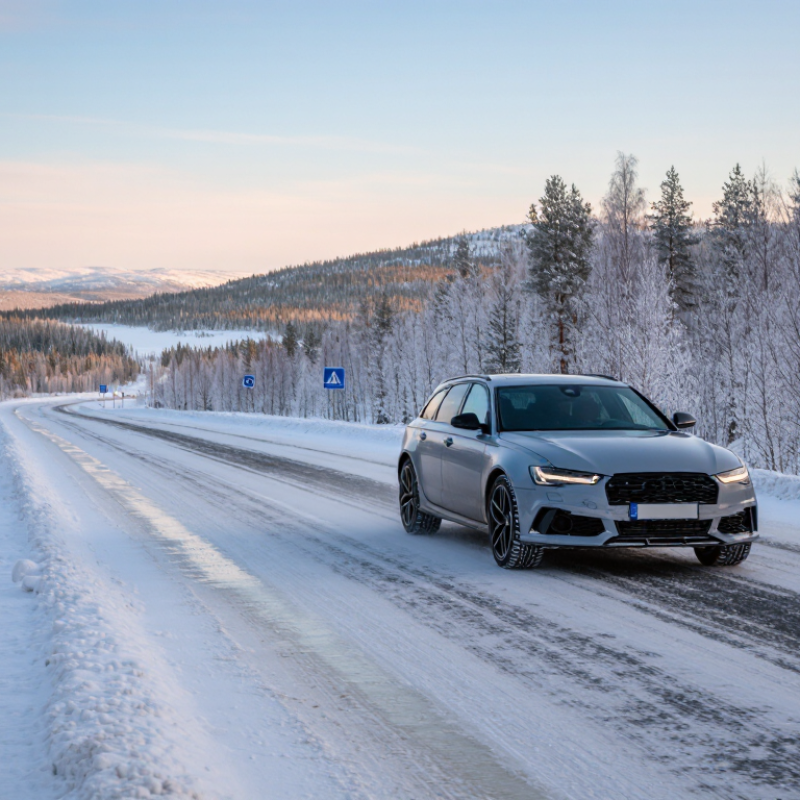
The 7°C threshold is practical, not magical. The European Tyre and Rim Technical Organisation (ETRTO) explains that winter compounds remain more flexible in colder conditions. Standard summer rubber can stiffen as temperatures fall. At a frosty junction, that difference affects braking, steering, and grip.
Winter tires use silica-rich compounds, deeper grooves, and thousands of biting edges. These features help clear slush and grip compacted snow. UNECE Regulation No. 117 measures snow performance through standardized packed-snow tests. However, certified testing cannot reproduce every mountain road, wet bridge, or shaded corner. Real driving remains less predictable. That is worth remembering.
Tips: Check tread depth before winter travel. Many technicians recommend replacing winter tires near 4 mm, although legal limits vary by country. Keep tire pressure at the vehicle maker’s cold setting; pressure often falls about 0.1 bar for each 10°C temperature drop. Rotate tires according to the service schedule, and fit four matching winter tires. A single winter tire on one axle can create uneven handling. Slow down before icy bends, not during them. Conditions change quickly.
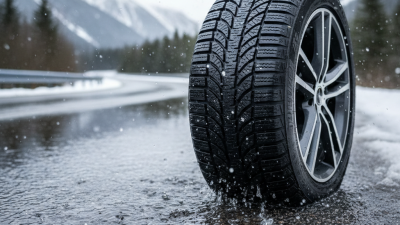
Why Choose Ice Tires for Global Winter Driving?
Ice-Tire Design: Studs Create Thousands of Contact Points (SAE Research)
Ice tires use metal studs to bite into hard, polished ice. SAE technical research describes each stud as a small mechanical anchor. Across four tires, thousands of stud-to-ice contacts occur during rotation. This action improves braking, cornering, and hill climbing when friction is extremely low. The difference feels clear on frozen intersections. Steering becomes less vague.
The U.S. Federal Highway Administration reports that about 24% of weather-related crashes occur on snowy, slushy, or icy pavement. That figure supports careful winter-tire selection, especially in regions with repeated ice events. However, stud performance is not universal. Temperature, ice texture, stud wear, and road maintenance all change the result. I would not treat one laboratory test as a guarantee. Real roads remain inconsistent.
Tips: Check local regulations before choosing studded tires. Measure tread depth before long winter trips. Reduce speed before bridges, shaded corners, and untreated roads. Keep tire pressure within the vehicle maker’s specification. Remember, studs do not replace smooth braking or proper following distance.
Studded ice tires increase the number of engineered tire–ice engagement points. The chart shows the nominal number of stud tips across four tires, calculated as studs per tire × 4. Actual microscopic contact sites vary with load, ice texture, temperature, and wear.
Calculation scenarios: 80, 120, 160, and 200 studs per tire produce 320, 480, 640, and 800 nominal stud tips across a four-tire vehicle.
Why Choose Ice Tires for Global Winter Driving?
On icy roads, braking performance changes within seconds. ADAC comparative testing has reported winter tires stopping up to 40% shorter than summer tires in cold, slippery conditions. The exact result depends on temperature, tire design, vehicle weight, and road surface. Still, the difference can equal several car lengths near a junction. At 50 km/h, a small delay may become a serious impact. Winter compounds remain more flexible below about 7°C, while summer compounds can harden. Independent European road-safety testing also shows that tread depth and inflation pressure strongly affect grip. These are practical findings, not showroom claims.
Tips: Check pressure before long trips. Inspect tread wear and sidewalls. Keep four matching winter tires fitted. Reduce speed before shaded bends, bridges, and packed-snow areas. Leave more space than usual. Anti-lock brakes help steering, but they cannot defeat physics.
Ice tires are not perfect. Their performance can drop sharply on wet pavement or worn ice. I have found that drivers often trust traction more than they should. That habit needs questioning. ADAC’s results are controlled tests, not a promise for every country or every road. Local weather records, legal requirements, and vehicle instructions still matter. Choose tires with certified winter markings, mount them before temperatures fall, and recheck them after the first freezing week.
Evidence-based comparison of winter and ice-tire characteristics across common cold-weather driving conditions.
| Safety Dimension | Winter or Ice Tires | Standard Summer Tires | Evidence-Based Figure | Practical Safety Meaning |
|---|---|---|---|---|
| Braking on winter surfaces | Engineered with cold-weather rubber compounds and tread patterns designed for snow, slush, and low temperatures. | Designed primarily for warmer conditions; rubber can become harder as temperatures fall. | Up to 40% shorter braking distance | A substantial potential reduction in stopping distance during winter testing conditions. |
| Cold-temperature flexibility | Remain comparatively flexible in cold weather, helping the tread maintain contact with the road. | Warm-weather compounds may lose flexibility in low temperatures, reducing available grip. | Designed for cold conditions | Better flexibility can support steering, braking, and acceleration when temperatures are low. |
| Snow traction | Use deeper grooves, additional biting edges, and fine sipes to channel snow and improve mechanical grip. | Usually have fewer winter-specific biting edges and may provide less traction in packed snow. | Condition-dependent | Improved ability to start, climb, turn, and stop on snow-covered roads. |
| Ice traction | Dedicated ice tires may use highly flexible compounds and specialized tread designs; studded versions can add mechanical grip on suitable ice surfaces. | Generally provide less grip on polished or compacted ice in cold conditions. | Highest benefit on ice | Useful for regions with frequent freezing conditions, compacted snow, or persistent ice. |
| Wet cold-road performance | Designed to balance water evacuation with grip at low temperatures. | May perform well in warm rain but can lose cold-weather grip as temperatures decline. | Varies by temperature | Cold, wet roads can be hazardous even without visible snow or ice. |
| Stopping-distance limitations | Can improve tire-road grip, but cannot eliminate the effects of speed, reaction time, road grade, or insufficient following distance. | May require more distance to stop on winter surfaces, especially when cold-weather grip is limited. | No universal distance | Maintain a larger safety gap and reduce speed regardless of tire type. |
| Regional suitability | Most beneficial where temperatures regularly fall near freezing or below and snow or ice is common. | More suitable for consistently warm climates and roads that remain free of winter conditions. | Climate-dependent | Choose the tire type according to local temperature, precipitation, road maintenance, and regulations. |
| Legal and operational considerations | Studded tires may be restricted by season, road type, or jurisdiction; non-studded winter tires are more broadly permitted in many regions. | Usually face fewer seasonal restrictions but may not satisfy winter-equipment requirements in some areas. | Rules vary globally | Check local requirements before traveling across borders or into mountainous regions. |
Choosing ice tires for global winter driving starts with climate, not advertising. In northern cities, polished ice demands a tread that remains flexible below freezing. Deep grooves help move slush, while biting edges improve control on compact snow. Yet an aggressive tread can feel noisy on dry highways. I have learned that no single pattern suits every route. Short trips matter.
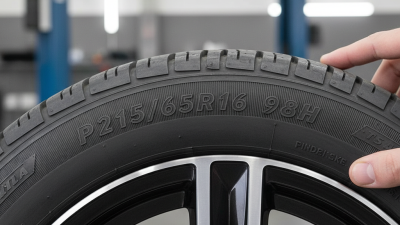
Match the tire’s load index to the vehicle’s real operating weight, including passengers, tools, and cargo. A lower index can reduce safety margins, especially during long motorway journeys. Select a speed rating that meets or exceeds the vehicle maker’s requirement. Cold weather does not cancel heat buildup at speed. Check the sidewall and vehicle handbook together. Do not guess.
Climate also changes the balance. Wet coastal winters need dependable water evacuation, while inland ice roads reward stable snow grip and predictable steering. Before buying, confirm recognized UNECE approval markings and review applicable local rules. UNECE requirements support consistent testing, but they do not replace climate-specific assessment. I sometimes overvalue maximum ice grip and overlook braking on bare pavement. That mistake deserves correction. Inspect pressure, tread depth, and age throughout the season. A careful match is safer than the most extreme option.
Ice tires are built for frozen roads, compacted snow, and sudden temperature drops. Their flexible rubber remains usable when ordinary tires become stiff.
On polished ice, deeper grooves and specialized tread edges can improve braking and steering control. Studded tires may add traction, but they are not automatically the best legal choice.
Regulations differ widely between countries, regions, and even neighboring cities. Some authorities permit studs only during defined winter months. Others restrict them on dry roads, require approved specifications, or prohibit them entirely.
Noise is another concern. Stud contact can increase road sound, especially on clear pavement, and local limits may affect where these tires are accepted.
Road signs and official transport websites deserve more trust than old advice. Rules also change, and that is easy to overlook.
Tips:
Check local dates and noise rules before installation. Ask a qualified tire professional about legal tread and stud requirements. Keep both tire sets properly stored. Do not assume a tire legal in one region is legal elsewhere.
A quieter studless ice tire may suit urban driving better, while approved studs can help on remote, consistently icy routes. The decision is practical, but never perfect. Weather changes faster than regulations.