What Are the Best Road Tires from China?
Choosing the best road tires from China takes more than comparing prices or reading a brand’s top-line claims. China’s tire market includes established manufacturers and newer exporters, with different strengths in wet grip, tread life, comfort, rolling resistance, and value. As a guiding principle, Édouard Michelin’s tire-industry legacy is often summed up this way: “A tire’s work begins where rubber meets the road.” It is a useful reminder, not a substitute for independent test results.
This guide will compare road tires by the details drivers can actually assess: published test methods, recognized certifications, available sizes, warranty terms, and performance in relevant conditions. Look for clear wet-braking data, not just a dramatic label on the sidewall. Check whether the model has been tested at your vehicle’s size; results can vary between sizes. A quiet ride matters on a long commute. So does predictable handling on rain-dark pavement.
No shortlist is perfect. Some brands share limited independent data, and online reviews may reflect different cars, climates, or expectations. That can be frustrating. We’ll separate verifiable specifications from marketing language and flag gaps rather than guess. The best road tires from China are not automatically the cheapest or most widely advertised; they are the models whose documented performance, fit, and support suit your driving needs.
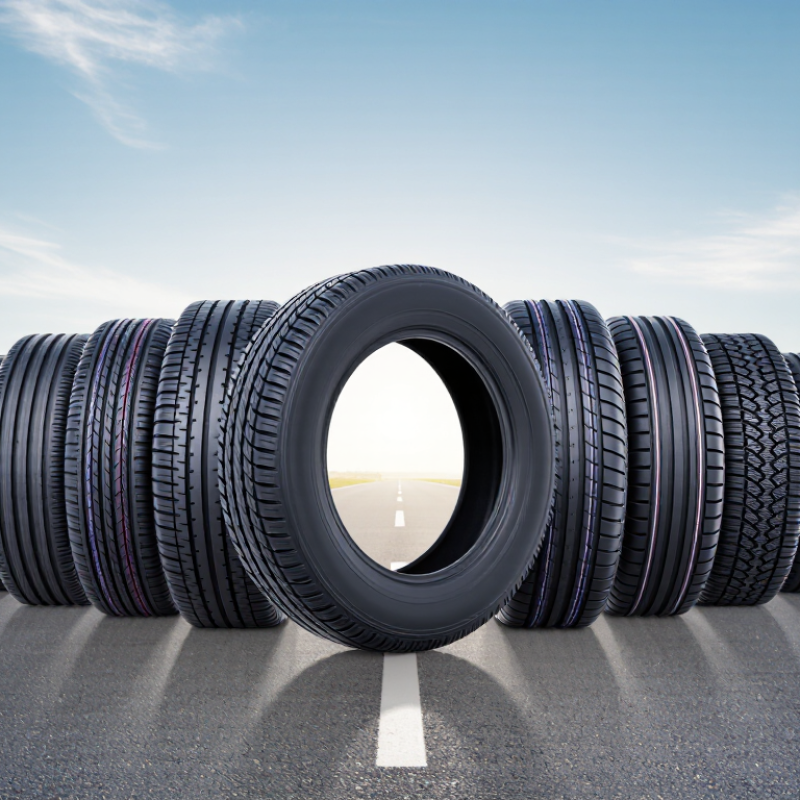
Understanding Road Tires Made in China
Road tires made in China are not one uniform product category. Factories produce models for different prices, riding styles, and performance targets. The country’s manufacturing base includes large-scale facilities and specialized production lines. Quality depends on design, materials, process control, and inspection—not simply the place of manufacture.
For riders, origin alone offers little guidance. Check the tire’s stated width, casing construction, compound, and intended use. A supple casing may feel comfortable on rough pavement, while a firmer tread can prioritize durability. Details matter. Inspect the bead and sidewall for damage, and confirm that the tire fits your rim and frame. Ask about puncture protection and quality checks, especially when product information is limited. A careful specification sheet is useful, but it cannot tell you exactly how a tire will feel on your local roads. That part requires riding. Not always an easy comparison. China-made road tires vary considerably, so compare measurable features and look for clear testing information rather than relying on a broad reputation. I would also leave room to revise an opinion after real use; labels can oversimplify a complicated product.
Key Criteria for Evaluating Chinese Road Tires
Choosing road tires from China starts with fit, not price.
Confirm the measured width on your rim, since a printed 28 mm tire may inflate wider or narrower. Check bead type and rim compatibility before ordering; a mismatch can make installation difficult or unsafe. Then compare casing construction, rubber compound, and pressure range. Numbers matter. A light casing may feel quick on smooth pavement, yet offer less protection on gritty shoulders. Ask whether puncture claims come from a stated test method or only product copy. That distinction matters.
For handling, look for independent wet-grip and rolling-resistance data measured under comparable conditions. If none is available, treat marketing figures as clues, not proof. Short test rides help. Ride the same route at similar pressure, noting cornering confidence, vibration, and cuts after rough sections. Inspect batch consistency, too: uneven tread or a lumpy bead can signal weak quality control. Warranty terms and traceable factory information add confidence, though they cannot replace testing. I would not judge a tire from one ride; weather and pressure can distort impressions. Even a careful checklist misses things.
Leading Chinese Road Tire Brands and Product Lines
Chinese road-tire makers offer product lines for everyday commuting, touring, and sportier driving. Touring tires typically emphasize tread life, predictable handling, and lower cabin noise. Performance-focused options may use stiffer sidewalls and tread patterns designed for responsive steering. Some manufacturers also sell tires developed for electric vehicles, where vehicle weight and road noise deserve extra attention. Product names vary, so compare specifications rather than relying on category labels alone. A tire that feels quiet on smooth pavement may sound different on coarse asphalt. That trade-off is easy to overlook.
Tips: Match the tire size, load index, and speed rating to your vehicle’s requirements. Check wet-grip information, warranty terms, and independent test results where available. Look closely at the manufacturing date, too. Fresh tread matters.
For a practical comparison, note how each tire handles braking, standing water, and uneven pavement. Review tests that use similar tire sizes and conditions; results can change across sizes. A modestly priced model may suit a daily commute, while frequent highway driving can justify prioritizing wet-weather control and noise comfort. No single product line fits every car or road.
Comparing Chinese Road Tires by Driving Needs
Choosing a road tire from China starts with the roads you actually drive. For a daily commute, prioritize predictable wet braking, low cabin noise, and a tread pattern suited to frequent stops. Check the tire’s wet-grip rating and load index, not just its price or mileage claim. Ratings help, but they cannot reproduce every road surface.
For long highway trips, look for stable handling and even-wear design. Keep tire pressure at the vehicle maker’s recommended level; underinflation can increase heat and wear. Smooth pavement rewards quiet, low-rolling-resistance tires, while rough urban streets may call for stronger sidewalls and a more comfortable ride. No tire does everything equally well.
Performance-oriented drivers may value sharper steering response, but softer compounds can wear faster. In heavy rain, tread depth and drainage matter more than sporty styling. Compare independent test results when available, and confirm the tire’s size and specifications match your vehicle. I would not choose from a label alone. A tire can feel composed on a dry test drive yet behave differently on broken pavement, so local feedback is useful—but not a substitute for verified testing.
What Are the Best Road Tires from China? — Comparing Chinese Road Tires by Driving Needs
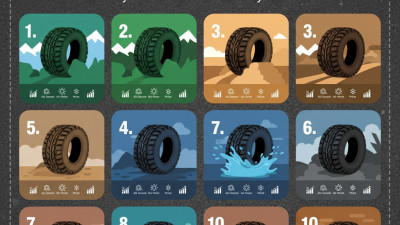
Use the tire’s speed symbol as one part of your comparison. The chart shows standardized speed-rating limits, not results from a brand or product test.
How to read it: Q, T, H, V, and W correspond to rated speeds of 160, 190, 210, 240, and 270 km/h, respectively, under specified test conditions. These ratings are not recommended driving speeds. Always follow your vehicle manufacturer’s tire specifications and local speed limits.
Choosing the Right Chinese Road Tire for Your Vehicle
Choosing the right Chinese road tire starts with your vehicle’s door-jamb placard. Match the specified tire size, load index, and speed rating; matching diameter alone is not enough. Then consider where you drive. A commuter facing frequent rain needs dependable wet grip, while a heavily loaded vehicle needs suitable load capacity. Small details matter.
Compare the standardized tire label, not just the price. European Commission guidance estimates that, for passenger cars, choosing the highest rather than lowest rolling-resistance class can reduce fuel use by up to 7.5%. That is a comparison under test conditions, not a guaranteed saving on every road. Check wet-grip ratings too, and remember that worn tread changes performance. The U.S. National Highway Traffic Safety Administration advises replacing tires when tread reaches 2/32 inch; treat this as a reference, and check local guidance.
Also consider cabin noise, road texture, seasonal temperatures, and the cost of replacement. A tire that feels quiet on smooth pavement may sound different on coarse asphalt. I would not treat country of manufacture as a performance test. Look for independent test results for the exact tire size, clear warranty terms, and consistent specifications. If those details are hard to verify, pause. A low price alone tells you little.