Unlocking Your Car’s Potential: How to Easily Find the Right Tire Size Today!
In today's automotive landscape, ensuring your vehicle is equipped with the correct tire size is crucial for both performance and safety. According to industry reports, nearly 30% of vehicles are fitted with incorrect tire sizes, which can lead to compromised handling and increased tire wear. To mitigate these issues, it's essential for car owners to understand how to find tire size effectively. By utilizing resources such as vehicle owner manuals, tire sidewall markings, and online tire calculators, drivers can make informed choices that enhance their driving experience. Properly sized tires not only improve fuel efficiency but also significantly impact braking distance and traction.
As you explore the process of unlocking your car’s potential, learning how to find tire size should be a top priority for any vehicle owner seeking to uphold their car's performance and longevity.
Understanding Your Car's Tire Specifications: A Comprehensive Guide
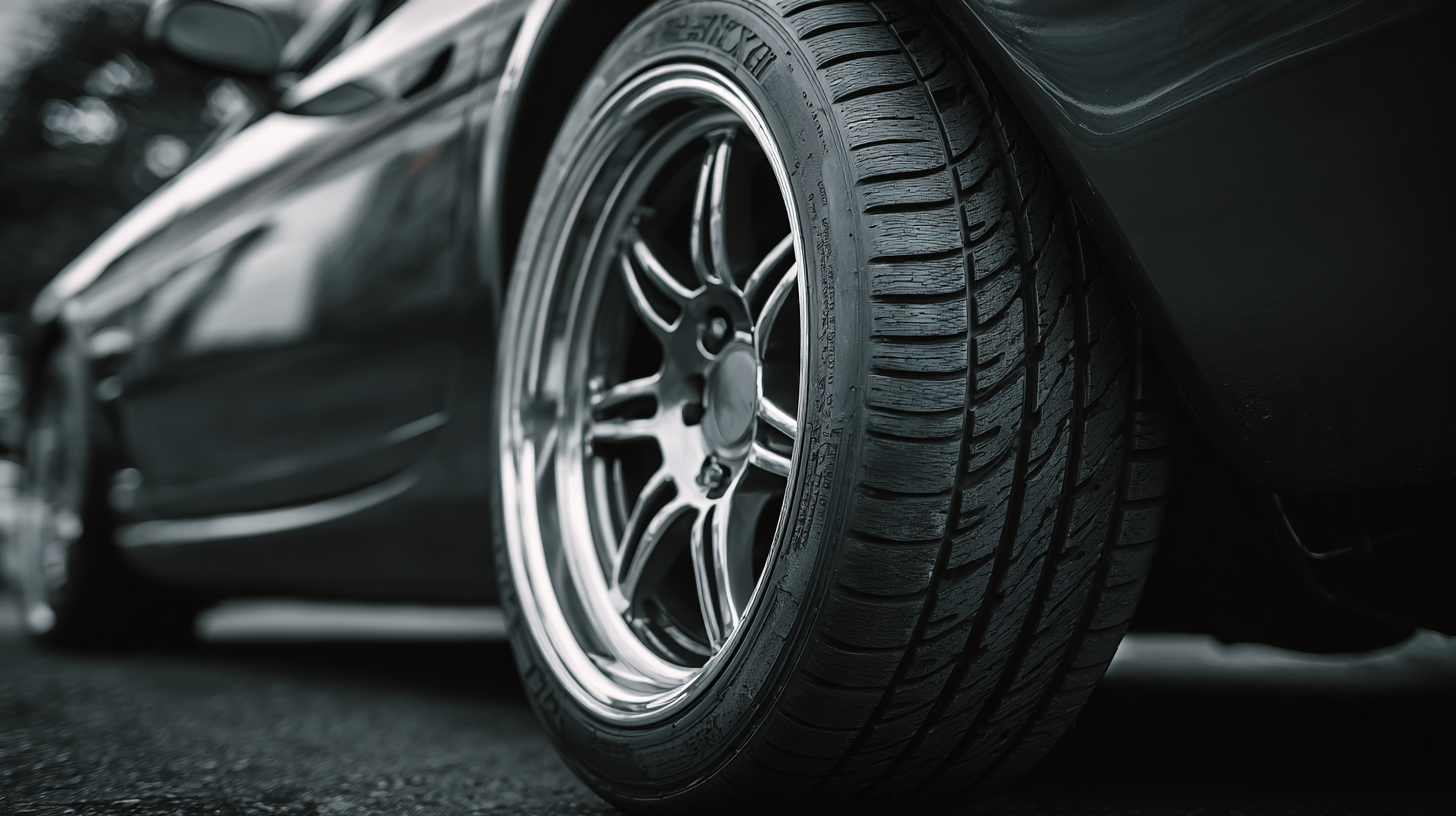 When it comes to maximizing your car's performance, understanding your tire specifications is crucial. Every vehicle is designed to operate optimally with specific tire dimensions, as indicated in the owner’s manual or on a sticker located on the driver's side doorpost. This information not only guides you in choosing the right tires but also ensures safety, fuel efficiency, and improved handling.
Tips: Always cross-reference the tire size with the manufacturer's recommendations to avoid potential issues. When picking tires, consider factors like load rating and speed rating, which are equally important for overall vehicle performance.
Additionally, when you’re ready to purchase new tires, make sure to consider the driving conditions you'll encounter. For instance, wet or snowy climates might benefit from seasonal tires suited for traction. Investing in the right tire type ensures longevity and adherence to your car's specifications.
Tips: Check reviews and performance ratings for different tire brands to find the best fit for your requirements. Remember, tire inflation is just as important; maintaining the recommended pressure improves wear and enhances fuel economy.
Importance of Choosing the Right Tire Size for Your Vehicle's Performance
Choosing the right tire size for your vehicle is critical for optimizing performance, safety, and comfort. When selecting tires, their specifications influence not only how well a car grips the road but also its fuel efficiency and handling. The market has seen a surge in various tire options tailored for different driving conditions, whether it’s summer heat or icy winter roads. Ensuring that you have the correct size is essential, as it directly affects how your vehicle performs during these conditions.
Today’s tire market offers a plethora of brands and models, making it crucial for consumers to understand their needs before making a purchase. Factors such as load capacity, tread design, and rubber compounds vary widely, and each plays a significant role in your car's overall performance. For example, summer tires excel in warm conditions by providing better traction and durability, while winter tires are specifically designed to handle snow and ice. As more electric vehicles enter the scene, finding the right tire size that accommodates their unique demands becomes even more important. Therefore, investing the time to find the right tire size tailored to your driving habits can greatly enhance your vehicle's performance and safety on the road.

Step-by-Step Methods to Measure Your Current Tire Size Accurately
When it comes to maintaining your vehicle, knowing the correct tire size is crucial for ensuring safety and performance. Measuring your current tire size accurately involves a few straightforward steps. First, start by checking the sidewall of your tires, where you'll find a series of numbers and letters indicating the size. For example, a tire marked as 205/55R16 translates to a width of 205 mm, an aspect ratio of 55%, and a diameter of 16 inches. This information is essential for purchasing the right replacement tires that can enhance your car’s handling, stability, and overall efficiency.
Moreover, advancements in tire technology, such as real-time tire stiffness estimation, have highlighted the importance of having the right tire size. Studies have shown that the interaction between tire-road dynamics significantly affects vehicle control, particularly in lateral movements. Keeping tires properly inflated and sized can prevent excessive heat buildup, which is crucial for avoiding tire blowouts and ensuring longevity. According to industry reports, properly maintained tires can improve fuel efficiency by as much as 3%. By following accurate measuring techniques, drivers can unlock their vehicle's full potential while enhancing safety and performance on the road.
Unlocking Your Car’s Potential: How to Easily Find the Right Tire Size Today!
| Measurement Method |
Description |
Measurements (inches) |
Approximate Tire Size |
| Visual Inspection |
Check the sidewall for numbers indicating size. |
N/A |
Common sizes like 205/55R16 |
| Using a Tape Measure |
Measure width, aspect ratio, and diameter. |
Width: 8; Aspect Ratio: 0.55; Diameter: 16 |
215/60R16 |
| Consulting the Owner's Manual |
Refer to the vehicle's manual for recommended sizes. |
N/A |
195/65R15 |
| Online Tools |
Use online calculators and databases to find sizes. |
N/A |
225/50R17 |
Utilizing Online Tools and Resources to Find the Perfect Tire Size
Finding the perfect tire size for your vehicle can seem daunting, but utilizing online tools and resources makes the process significantly easier. Many automotive websites offer tire size calculators where you simply input your vehicle’s make, model, and year. These calculators provide you with the exact tire specifications needed, ensuring a perfect fit for optimal performance. Additionally, manufacturer websites often list recommended tire sizes for specific models, giving you reliable information directly from the source.
In addition to calculators, various online forums and community groups can be invaluable. Enthusiasts and experts frequently share insights about tire options and performance feedback, which can guide your decision-making. Online retailers also provide detailed tire specifications, customer reviews, and comparison tools, helping you weigh your options. By tapping into these digital resources, you can unlock your car's potential with confidence, ensuring that you get the right tires tailored to your driving needs and lifestyle.
Tips for Selecting the Best Tires for Different Driving Conditions and Needs
When it comes to selecting the best tires for your vehicle, understanding the different types available and their specific use cases is crucial. For winter driving conditions, opting for winter tires is often advised, as they provide superior traction and braking performance on snow and ice compared to all-season tires. It is essential to consider factors like tread design and rubber composition, which are optimized for colder temperatures and slippery roads. In addition, preparation for winter includes checking other vehicle components like batteries and ensuring your vehicle is equipped for challenging conditions.
For those who drive in varied weather, all-weather tires might be a versatile choice, balancing performance across different seasons. However, if you frequently drive in areas with extreme weather, having dedicated tires—such as summer or winter tires—can enhance safety and vehicle performance. Always keep in mind that the tread life of tires is finite; it varies depending on driving habits and environmental conditions. Pay attention to wear indicators and replace tires as needed to ensure optimal handling and safety on the road.
Unlocking Your Car’s Potential: Tire Size Selection for Optimal Performance
This chart illustrates the relationship between tire size and performance metrics such as grip, fuel efficiency, and comfort for different driving conditions.