Ultimate Guide to Understanding Tire Speed Rating with Essential Tips
Understanding tire speed ratings is crucial for both safety and performance while driving. According to tire industry expert John Smith, a renowned automotive engineer, "The tire speed rating is not just a number; it reflects the ability of the tire to handle speed while maintaining stability and performance." This statement underscores the importance of comprehending how tire speed ratings can impact vehicle dynamics and overall safety.
As you dive into this ultimate guide, you'll learn the nuances of tire speed ratings, including how they are determined and what each rating signifies. It is essential for every driver to recognize that tires are engineered for specific speeds, and exceeding these limits can lead to dangerous situations. This guide will provide essential tips for selecting the right tire speed rating for your vehicle, ensuring not only compliance with safety standards but also enhancing your driving experience. Understanding tire speed ratings can empower you to make informed decisions that contribute to a safer and more enjoyable ride.

What is Tire Speed Rating and Why It Matters
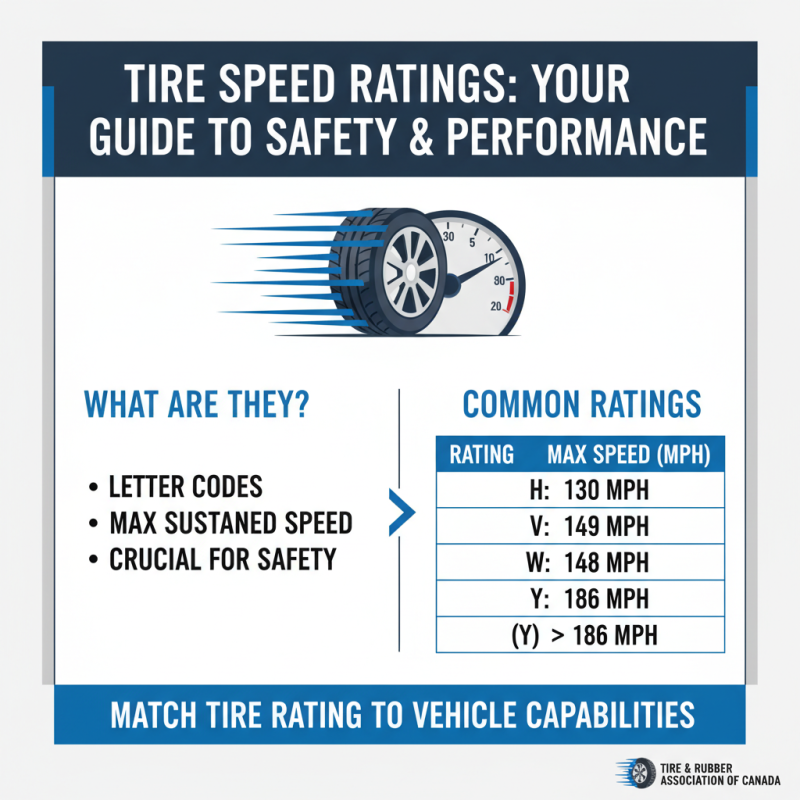
The tire speed rating is a crucial aspect of tire specification that indicates the maximum speed a tire can safely maintain over time. This rating is denoted by a letter, ranging from A (with a maximum speed of 3 mph) to Y (up to 186 mph), providing invaluable information for both drivers and manufacturers. Understanding these ratings is essential for safety, as using tires that exceed their speed ratings can lead to catastrophic tire failure. According to the Tire Industry Association, tires that are consistently driven beyond their rated speeds are at a significantly higher risk of overheating, leading to a blowout with potentially disastrous consequences.
The importance of matching tire speed ratings to vehicle capabilities cannot be overstated. For instance, the National Highway Traffic Safety Administration (NHTSA) emphasizes that exceeding the speed rating not only compromises tire integrity but also affects vehicle handling, braking distances, and overall safety during high-speed driving conditions. Choosing tires with appropriate speed ratings ensures that drivers can maintain control and stability, especially in emergency situations where speed and quick response are paramount. Reports indicate that approximately 30% of performance-related tire failures are linked to improper speed ratings, underscoring the necessity for consumers to be educated about these ratings when purchasing new tires.
Understanding the Different Speed Rating Letters
When it comes to selecting tires, understanding speed ratings is crucial for ensuring optimal performance and safety. Speed ratings, denoted by specific letters, indicate the maximum speed a tire can safely sustain over time. For instance, a tire rated "H" is designed for speeds up to 130 mph, while an "V" rating allows for speeds up to 149 mph. These ratings are determined by rigorous testing conducted by organizations such as the Tire and Rubber Association of Canada, which highlights the importance of matching tire speed ratings with vehicle capabilities.
One key tip is to always check your vehicle's owner's manual for the manufacturer's recommended tire speed rating. Ignoring these specifications can lead to compromised handling and increased risk of tire failure. Additionally, when considering tire selection, pay attention to the load index; a higher load index combined with the correct speed rating ensures better performance under various conditions.
Moreover, consult data from industry reports, such as those released by Consumer Reports, which indicate that selecting the appropriate speed rating not only enhances the driving experience but also potentially improves fuel efficiency. Maintaining awareness of tire condition and speed rating can lead to a safer ride and longer tire life.
How to Find the Speed Rating on Your Tires
To find the speed rating on your tires, you first need to locate the tire sidewall, where essential information is molded into the rubber. The speed rating is typically represented by a letter, such as "S," "T," "H," or "V," and this letter indicates the maximum speed at which the tire can safely operate when properly inflated and loaded. For instance, a tire marked with a "H" speed rating can handle speeds up to 130 mph (210 km/h). According to the Tire and Rim Association, the speed rating codes range from "A1," which has a maximum speed of 3 mph (5 km/h), to "Y," which supports speeds up to 186 mph (300 km/h).
When checking the speed rating, it’s crucial to also consider your vehicle's specifications and driving habits. The National Highway Traffic Safety Administration (NHTSA) emphasizes that selecting tires with an appropriate speed rating not only affects performance but is also vital for safety. Underestimating the required speed rating could lead to tire failure, especially at high speeds. Reports indicate that approximately 17% of drivers are unaware of their vehicles’ recommended tire specifications, which can lead to improper tire selection and increased risks on the road. Always ensure you refer to your vehicle owner's manual or consult a tire professional for appropriate ratings tailored to your driving needs.
The Impact of Speed Rating on Performance and Safety
The speed rating of a tire is a crucial factor that significantly impacts both performance and safety. Each tire is designed to withstand specific speeds, indicated by a letter code that corresponds to its maximum safe speed capability. Understanding this code not only helps prevent dangerous blowouts but also ensures that the vehicle performs optimally under various conditions. For example, a tire with a higher speed rating can handle the rigors of high-speed driving, providing better stability and grip, particularly during sharp turns or emergency maneuvers.
Incorporating the correct speed rating into your tire selection process is essential for maintaining both performance and safety standards. Drivers who frequently travel at higher speeds, whether on highways or racetracks, should prioritize tires with higher ratings to ensure they perform reliably. Meanwhile, those who drive predominantly in city conditions may opt for tires with lower ratings, which can still provide adequate performance but should never compromise on safety. Ultimately, by choosing tires that match their speed rating to the vehicle's capabilities and driving habits, drivers can enhance their peace of mind and ensure a safer driving experience.
Ultimate Guide to Understanding Tire Speed Rating
| Speed Rating |
Maximum Speed (mph) |
Typical Use |
Impact on Performance |
Impact on Safety |
| P |
93 |
Passenger vehicles |
Good for everyday driving |
Standard safety for normal speeds |
| S |
112 |
Passenger vehicles |
Adequate for most family cars |
Good balance of performance and safety |
| T |
118 |
Passenger vehicles |
Smooth handling, comfortable ride |
Safe for general driving conditions |
| H |
130 |
Performance vehicles |
Enhanced grip and cornering |
Improved safety at higher speeds |
| V |
149 |
Sporty vehicles |
Superior handling and performance |
High reliability at intense speeds |
| Z |
Over 149 |
Ultra-high performance vehicles |
Maximum performance for racing |
Optimal safety in extreme conditions |
Tips for Choosing the Right Tire Speed Rating for Your Vehicle
When selecting the right tire speed rating for your vehicle, it is crucial to understand its implications on performance and safety. The speed rating indicates the maximum speed a tire can safely maintain for extended periods. It is denoted by a letter, ranging from A1 (the lowest) to Y (the highest), and each rating has a corresponding speed limit. To ensure optimal performance and safety, consult your vehicle’s owner manual, which provides the manufacturer’s recommended tire specifications, including the suitable speed rating.
Furthermore, consider your driving habits and the typical conditions in which you'll be operating your vehicle. If you often drive at high speeds or on highways, a higher speed rating may be beneficial, as these tires ensure better stability and handling. Conversely, if your driving is mostly limited to city streets or if you use your vehicle for everyday errands, a lower rating may suffice. It’s essential to balance performance with comfort and longevity, as tires with a higher speed rating may wear out more quickly under everyday driving conditions. Always prioritize safety by adhering to the recommended tire specifications for your vehicle's make and model.