The Ultimate Guide to Choosing All Season Truck Tires for Every Journey
When it comes to selecting all season truck tires, drivers face an overwhelming array of options that can significantly impact safety, performance, and cost-efficiency on the road. According to a recent report by the Tire Industry Association, approximately 60% of truck drivers express concerns about tire reliability in varying weather conditions, underscoring the critical importance of proper tire selection. All season truck tires are designed to offer versatility, catering to both wet and dry conditions, which is essential for those who traverse diverse terrains and climates. In fact, a survey by the American Trucking Association indicates that the right set of all season truck tires can enhance fuel efficiency by up to 10%, ultimately leading to cost savings over time. Thus, making an informed choice not only contributes to increased safety but also optimizes overall performance, making this guide an essential tool for every truck owner looking to navigate their journeys with confidence.
Understanding the Importance of All-Season Truck Tires for Versatile Performance
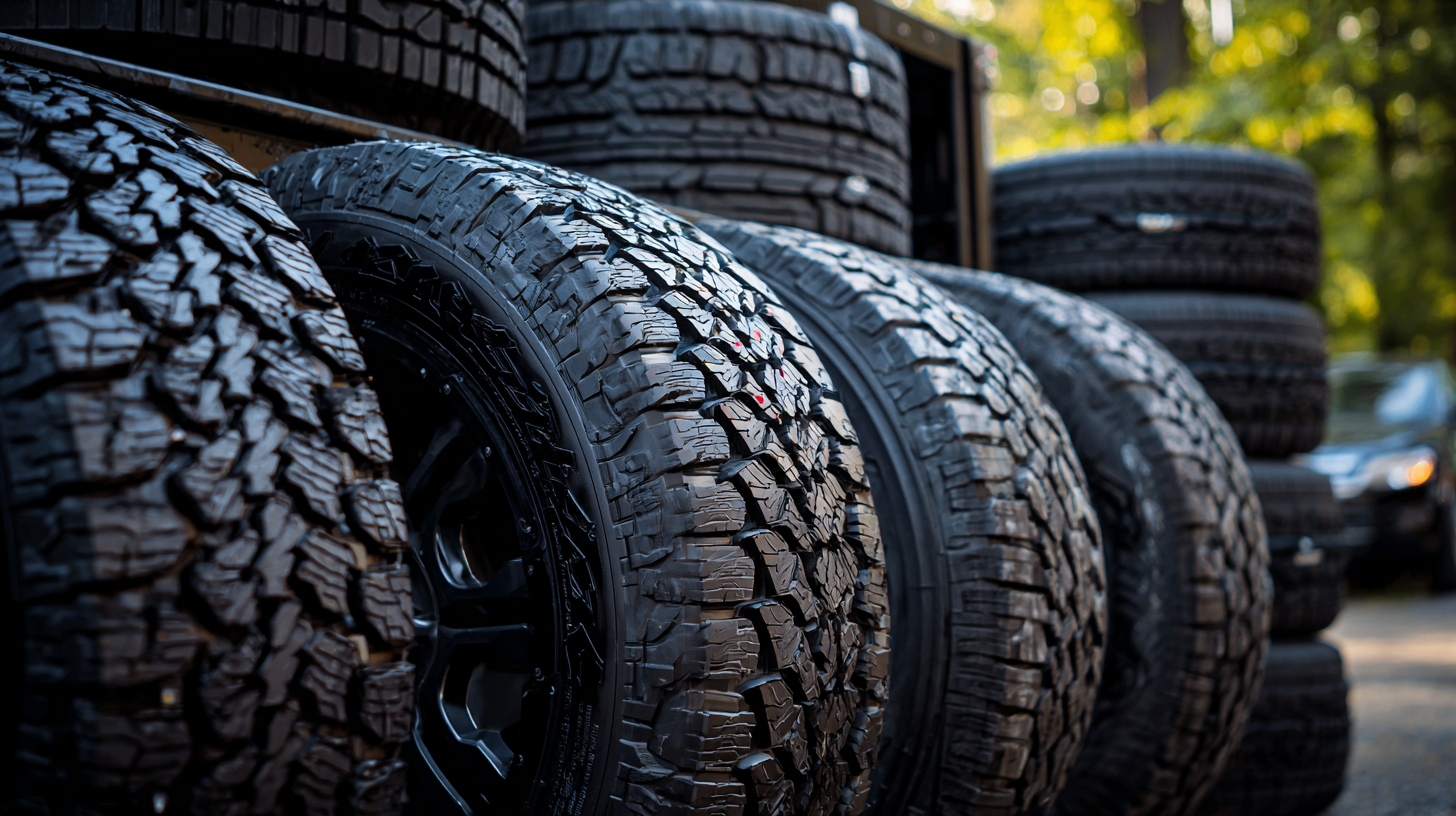
When selecting truck tires, understanding the significance of all-season tires is crucial for achieving versatile performance across various driving conditions. All-season tires combine features that allow drivers to navigate through light snow, wet roads, and dry pavement without the need for frequent tire changes. Their design aims to offer balanced traction, making them an ideal choice for truck owners who engage in both daily commuting and occasional off-road excursions.
Expert opinions highlight the importance of choosing the right all-season tire based on specific driving needs. From highway cruising to off-the-beaten-path adventures, these tires are engineered to perform well under diverse circumstances. With options like all-terrain capabilities and the ability to handle mild winter conditions, all-season truck tires ensure reliability without sacrificing comfort or safety. This versatility not only enhances the driving experience but also provides peace of mind, allowing drivers to embrace every journey with confidence.

Key Factors to Consider When Selecting All-Season Tires for Trucks
When selecting all-season tires for trucks, it is crucial to consider several key factors that impact performance and safety. Firstly, tire tread pattern plays a significant role in grip and stability across various weather conditions. According to the Tire Industry Association, tires with a symmetric tread pattern can provide better handling in dry conditions, while those with a more aggressive, asymmetric design excel in both wet and off-road scenarios. This versatility is vital for truck owners who traverse diverse terrains.
Another critical factor is load capacity. All-season tires should be rated to handle the weight of your truck while maintaining stability and safety. The Tire and Rubber Association reports that all-season tires typically have load ratings ranging from C to E, which corresponds to their ability to carry weights from 1,200 to over 3,000 pounds per tire. It's essential to match the tire's load rating with your truck's specifications to prevent premature wear and ensure optimal performance during heavy hauls.
Lastly, consider the age and wear of your all-season tires. The National Highway Traffic Safety Administration advises that tires should be replaced every six years, regardless of tread wear, to ensure safety. Regular inspections can help identify issues early, allowing for timely replacements and ensuring that your vehicle maintains its traction and handling capabilities in all driving conditions.
The Ultimate Guide to Choosing All Season Truck Tires
This chart represents the average tread life (in miles) of various all-season truck tires based on different factors such as price, performance in wet conditions, and noise level.
Evaluating Tread Patterns and Rubber Compounds for Optimal Grip and Longevity
When selecting all-season truck tires, understanding tread patterns and rubber compounds is crucial for achieving optimal grip and longevity on various road conditions. One key aspect of tread design is the integration of differing patterns that enhance traction in both wet and dry environments. For instance, tires with a symmetrical tread pattern may provide consistent performance, while those with asymmetrical patterns can adapt more effectively to changing conditions, improving cornering capabilities and stability. According to recent industry reports, truck tires with deeper grooves are found to improve water evacuation, reducing the risk of hydroplaning—a critical factor for safety on slick surfaces.
Moreover, the selection of rubber compounds plays a vital role in tire performance. Advances in technology have led to the development of specialized compounds that offer superior grip while maintaining durability over time. Recent evaluations indicate that newer rubber formulations can enhance traction by up to 20% compared to traditional formulas, ensuring that drivers benefit from both superior handling and extended tire life. This dual focus on tread design and material composition not only enhances vehicle performance but also contributes to a more eco-friendly driving experience, as longer-lasting tires result in fewer replacements and less environmental waste.
Comparing All-Season Tire Brands: Industry Ratings and Customer Satisfaction Data
When selecting all-season truck tires, understanding the landscape of tire brands and their performance is crucial. Industry ratings provide insights into the durability, traction, and overall handling characteristics of various tire models. Leading brands often undergo rigorous testing procedures, evaluated by independent organizations and consumer reviews alike. This data not only reflects the tire's capabilities in diverse driving conditions but also helps consumers make informed decisions based on real-life performance rather than just marketing claims.
Customer satisfaction data further enhances this evaluation process. By analyzing feedback from actual users, potential buyers can gauge how well a tire performs over time. Reviews that discuss factors such as ride comfort, noise levels, and wear patterns are invaluable. For example, some brands may excel in providing a quiet ride but may not perform as well in wet conditions. Thus, it's essential to weigh both industry ratings and customer reviews to find a tire that aligns with your specific driving needs and preferences, ensuring safety and satisfaction on every journey.
The Ultimate Guide to Choosing All Season Truck Tires for Every Journey
| Tire Type |
User Rating |
Durability (miles) |
Wet Traction Rating |
Comfort Level |
| All Season Truck Tire A |
4.5/5 |
60,000 |
A |
High |
| All Season Truck Tire B |
4.2/5 |
55,000 |
B |
Medium |
| All Season Truck Tire C |
4.8/5 |
65,000 |
A |
Very High |
| All Season Truck Tire D |
4.1/5 |
50,000 |
C |
Low |
| All Season Truck Tire E |
4.6/5 |
62,000 |
B |
High |
Maintenance Tips to Maximize the Lifespan and Performance of All-Season Truck Tires
When it comes to maximizing the lifespan and performance of all-season truck tires, regular maintenance is crucial. According to a report by the Tire Industry Association, proper tire care can extend the life of your tires by up to 50%. Regular inspections for tread depth, air pressure, and any visible signs of damage are essential tasks that should not be overlooked. The optimal air pressure, typically maintained at around 30-35 PSI for most trucks, not only enhances fuel efficiency but also ensures even wear, preventing premature aging of the tires.
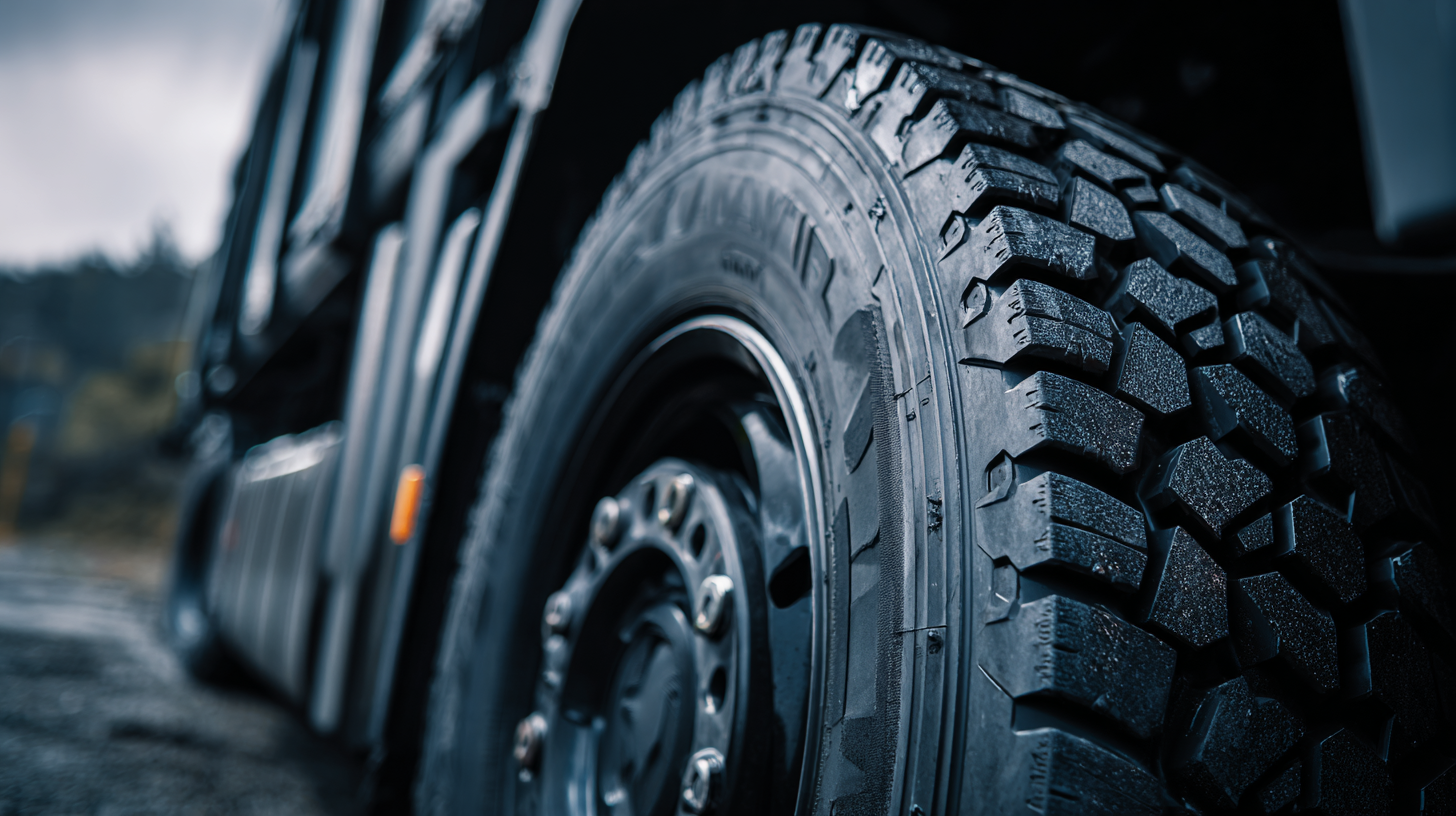
Additionally, rotating your tires every 5,000 to 7,500 miles can significantly contribute to uniform wear. A study conducted by the Rubber Manufacturers Association indicates that proper rotation can boost tire lifespan by an average of 12,000 miles. Furthermore, a clean tire surface free of debris can help maintain traction, ensuring safe driving regardless of weather conditions. Applying these maintenance tips will not only enhance the performance of your all-season truck tires but also provide peace of mind for every journey.