Top 10 Types of Tires You Need to Know for Your Vehicle
When it comes to ensuring your vehicle operates safely and efficiently, understanding the different types of tires is essential. Tires are not just rubber circles; they are engineered components that significantly impact your vehicle's performance, handling, and safety in various driving conditions. With numerous options available, choosing the right tire can be overwhelming for many vehicle owners. In this guide, we will explore the top 10 types of tires you need to know, providing you with valuable insights into their unique features and benefits.
From all-season tires designed for versatile performance to specialized winter tires that offer superior traction on ice and snow, the diversity of tire types allows drivers to select the perfect match for their driving habits and environment. Additionally, performance tires, off-road tires, and eco-friendly tires each cater to specific needs, enhancing both the driving experience and the longevity of your vehicle. By familiarizing yourself with these tire categories, you can make informed decisions that enhance your safety, improve fuel efficiency, and elevate your overall driving experience. Ultimately, the right tires can make a world of difference on the road, making it vital to understand your options thoroughly.
Types of Tires Based on Vehicle Usage and Performance
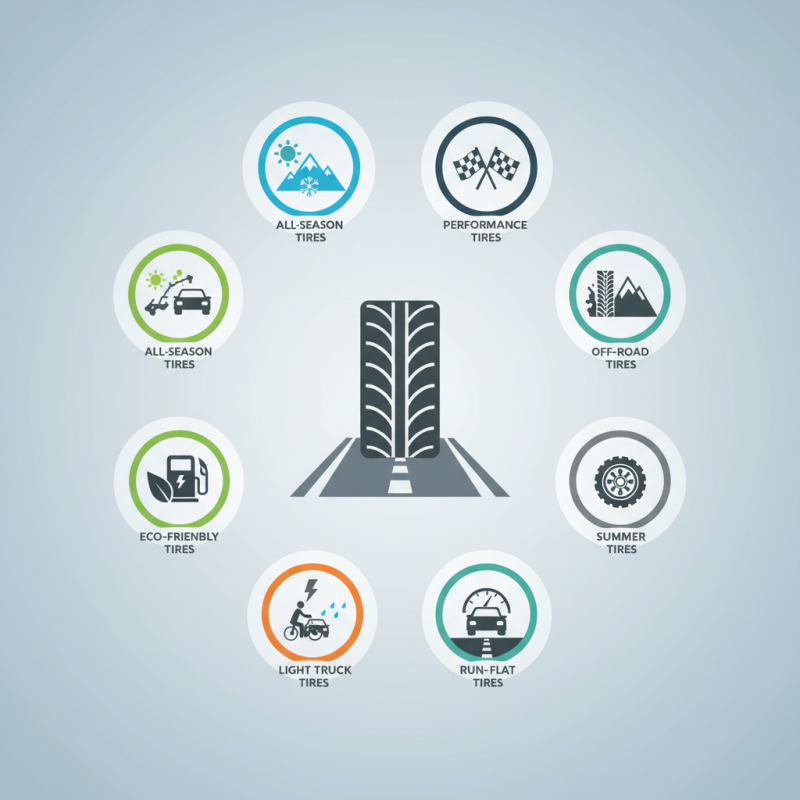
When selecting tires for your vehicle, understanding the types based on usage and performance is crucial for optimizing safety and efficiency. According to the Tire Industry Association, tires can be categorized mainly into four types depending on their intended application: all-season, winter, performance, and off-road tires. Each type is engineered with specific tread patterns and rubber compounds that cater to varying road conditions and driving styles. For instance, all-season tires are designed for a balance of performance in both dry and wet conditions, making them suitable for regions with mild weather patterns. In fact, studies have shown that vehicles equipped with quality all-season tires can achieve up to 10% better fuel efficiency compared to those using subpar options.
Winter tires are essential for areas experiencing severe cold and snowfall. The rubber in winter tires remains flexible in low temperatures, providing enhanced grip and control. The University of Michigan Transportation Research Institute reports that using winter tires can reduce stopping distances by as much as 25% on icy roads, significantly increasing safety during harsh winter conditions. On the other hand, performance tires are engineered for high-speed driving and better handling, making them ideal for sports cars. These tires typically feature a softer rubber compound and a tread design optimized for traction, allowing for maximum cornering stability on paved roads.
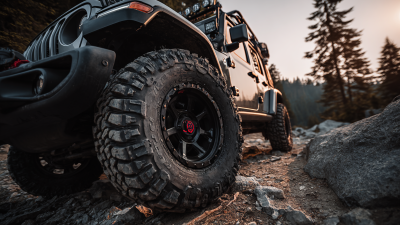
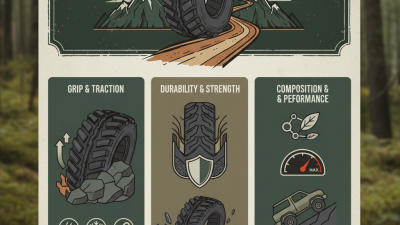
Lastly, off-road tires are built ruggedly with deep treads to navigate challenging terrains such as mud, sand, or rocks, highlighting the importance of choosing the right tire type based on the vehicle's intended use.
All-Season Tires: Versatility and Convenience for Everyday Driving
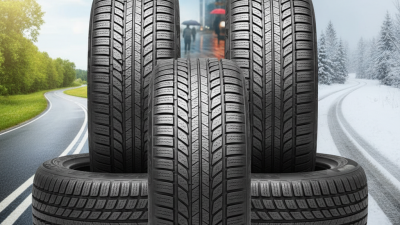
All-season tires are designed to offer the perfect balance between performance and comfort, making them an ideal choice for everyday driving. Their versatility allows them to handle a variety of weather conditions, from dry roads to light rain and snow. The tread patterns of all-season tires are engineered to maintain traction throughout the year, ensuring that drivers can enjoy a smooth and safe ride regardless of the season. This adaptability makes them especially appealing to those who live in regions with moderate climates where extreme weather conditions are less common.
One of the key benefits of all-season tires is their convenience. With these tires mounted on your vehicle, there is no need to switch between different sets throughout the year, which saves both time and money. They also provide a comfortable driving experience, with lower road noise and improved handling compared to specialty tires designed for specific conditions. Overall, all-season tires are an excellent investment for those seeking reliability and practicality in their daily commute, allowing drivers to confidently navigate varying road conditions with ease.
Top 10 Types of Tires You Need to Know for Your Vehicle
Winter Tires: Enhanced Traction for Cold and Snowy Conditions
Winter tires are specifically engineered to provide enhanced traction in cold and snowy conditions, making them a critical investment for drivers in regions that experience harsh winters. According to the Rubber Manufacturers Association, winter tires can decrease stopping distances on icy roads by up to 30% compared to all-season tires. This significant improvement is largely due to the specialized tread patterns and rubber compounds that remain flexible at lower temperatures, allowing for better grip and control.
Moreover, studies indicate that vehicles equipped with winter tires exhibit a notable increase in overall driving safety during the winter months. The National Highway Traffic Safety Administration (NHTSA) reports that over 70% of winter accidents occur in snowy or icy conditions, highlighting the importance of adequate tire technology to mitigate such risks. The enhanced siping present in winter tire designs facilitates the channeling of snow and slush away from the tire’s surface, promoting optimal contact with the road. This design ultimately contributes to more stable handling and reduced likelihood of hydroplaning in slippery conditions, ensuring a safer driving experience during winter storms.
Top 10 Types of Tires You Need to Know for Your Vehicle - Winter Tires: Enhanced Traction for Cold and Snowy Conditions
| Tire Type |
Recommended Use |
Tread Design |
Performance in Snow |
Temperature Range |
| Studded Tires |
Icy and Deep Snow |
Aggressive, Deep Grooves |
Excellent |
Below 0°F |
| Non-Studded Tires |
Snow and Slush |
Wide Channels |
Good |
20°F to 30°F |
| All-Weather Tires |
Mild Winter Conditions |
Moderate Tread Pattern |
Fair |
Above 0°F |
| Studdable Tires |
Versatile for Ice and Snow |
Adaptable |
Very Good |
0°F to 30°F |
| Performance Winter Tires |
High-Performance Cars |
Curved Grooves |
Excellent |
Below 30°F |
Performance Tires: Optimized Handling for Sports and Performance Vehicles
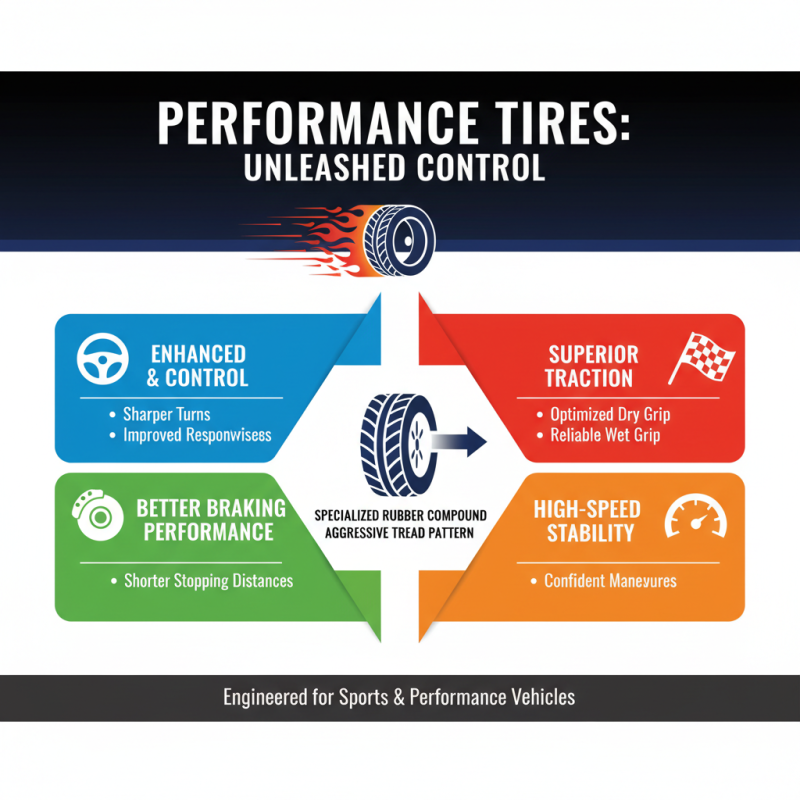
Performance tires are specifically designed to enhance the handling characteristics of sports and performance vehicles, providing drivers with a heightened sense of control and responsiveness. These tires feature a tread pattern that optimizes traction in both dry and wet conditions, enabling sharper turns and better braking performance. The rubber compounds used in performance tires are engineered for improved grip, allowing vehicles to maintain stability at higher speeds and during aggressive maneuvers.
In addition to their superior handling capabilities, performance tires are often constructed with a lower profile sidewall, which contributes to reduced flex and enhances steering precision. This design choice also results in improved overall road feedback, giving drivers a more connected experience with the pavement beneath them. Whether navigating winding roads or enjoying a day at the track, performance tires can significantly elevate a driver’s confidence and enjoyment behind the wheel, making them a crucial consideration for any enthusiast seeking to optimize their vehicle's capabilities.
Off-Road Tires: Designed for Rugged Terrain and Adventurous Driving
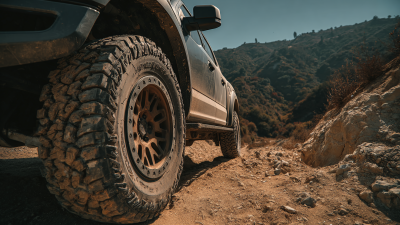
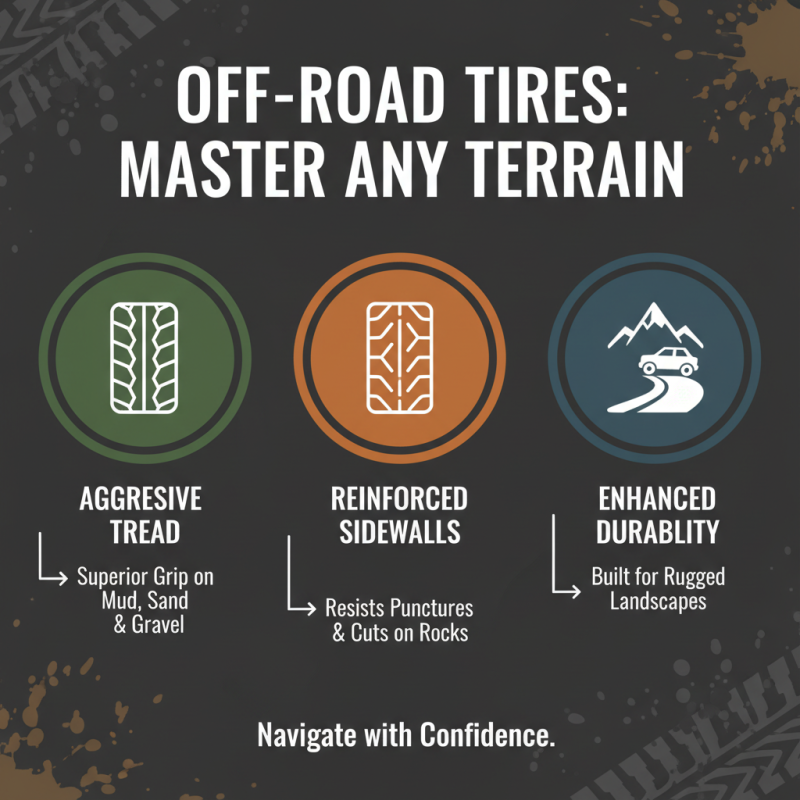
Off-road tires are specifically engineered for vehicles that venture beyond paved roads, providing the traction and durability needed for rugged terrains. These tires feature aggressive tread patterns designed to grip loose surfaces like mud, sand, and gravel, allowing drivers to navigate challenging landscapes with confidence. The reinforced sidewalls of off-road tires also present greater resistance to punctures and cuts, which is particularly essential when traversing rocky or uneven ground.
In addition to their robust construction, off-road tires come in various sizes and designs to cater to different types of terrain and driving styles. For example, some tires are optimized for mud, featuring deep lugs that enable better self-cleaning capabilities, while others may focus on providing stability on rocky surfaces with a flatter tread design. Whether tackling steep inclines or navigating through forest trails, selecting the right off-road tire is crucial for maximizing performance and ensuring a safe and adventurous driving experience.