Understanding Tire Speed Ratings 5 Essential Tips for Choosing the Right One?
Choosing the right tire speed rating is essential for safe driving. A tire speed rating indicates the maximum speed a tire can sustain under specified conditions. According to the Tire and Rubber Association, tires with higher speed ratings offer better performance but can also come with higher costs.
In recent years, consumer awareness has increased. Many buyers misunderstand these ratings. A misjudgment can lead to safety risks, as tires may not perform optimally at high speeds. The average driver often overlooks how crucial it is to match tire capabilities with vehicle usage.
Furthermore, a report from the National Highway Traffic Safety Administration highlights that improper tire selection contributes to a significant number of accidents annually. It's vital to consider how the right tire speed rating enhances vehicle control, especially in adverse weather. This choice is about balancing performance, safety, and cost-effectiveness. Each tire has its strengths and weaknesses. Understanding these nuances allows for better decision-making and enhances overall driving experiences.

Understanding Tire Speed Ratings: A Comprehensive Overview
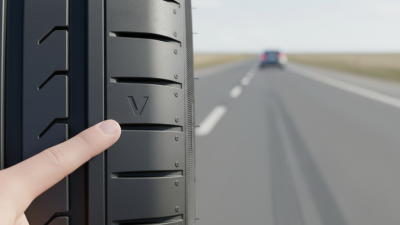
Understanding tire speed ratings is crucial for safe driving. These ratings indicate the maximum speed a tire can sustain under specified conditions. For instance, a tire rated at "H" can handle speeds up to 130 mph. The speed rating is found on the tire's sidewall, often alongside other valuable information. This data is essential for anyone who cares about performance.
Data from the Tire Industry Association reveals that many drivers overlook these ratings. A common issue is underestimating the importance of matching tires to a vehicle’s capabilities. Ignoring this can lead to decreased performance and safety risks. Also, tire selection should consider factors like load index and weather conditions.
Consider the implications of choosing the wrong speed rating. The consequences can be severe, affecting vehicle handling and braking. It's not always easy to choose. Many find themselves confused by the rating system. Tire manufacturers have established ratings for good reason, yet consumers often struggle to grasp their significance. Understanding tires isn't just for enthusiasts; it's a necessity for all drivers.
Understanding Tire Speed Ratings: A Comprehensive Overview
| Speed Rating |
Maximum Speed (mph) |
Maximum Speed (km/h) |
Appropriate Vehicle Type |
| M |
81 |
130 |
Limited performance vehicles |
| P |
93 |
150 |
Passenger cars |
| S |
112 |
180 |
Small cars, sedans |
| T |
118 |
190 |
Sedans, crossovers |
| H |
130 |
210 |
Sport sedans, coupes |
| V |
149 |
240 |
Performance oriented vehicles |
| Z |
Over 149 |
Over 240 |
High performance vehicles |
The Importance of Speed Ratings in Tire Performance and Safety
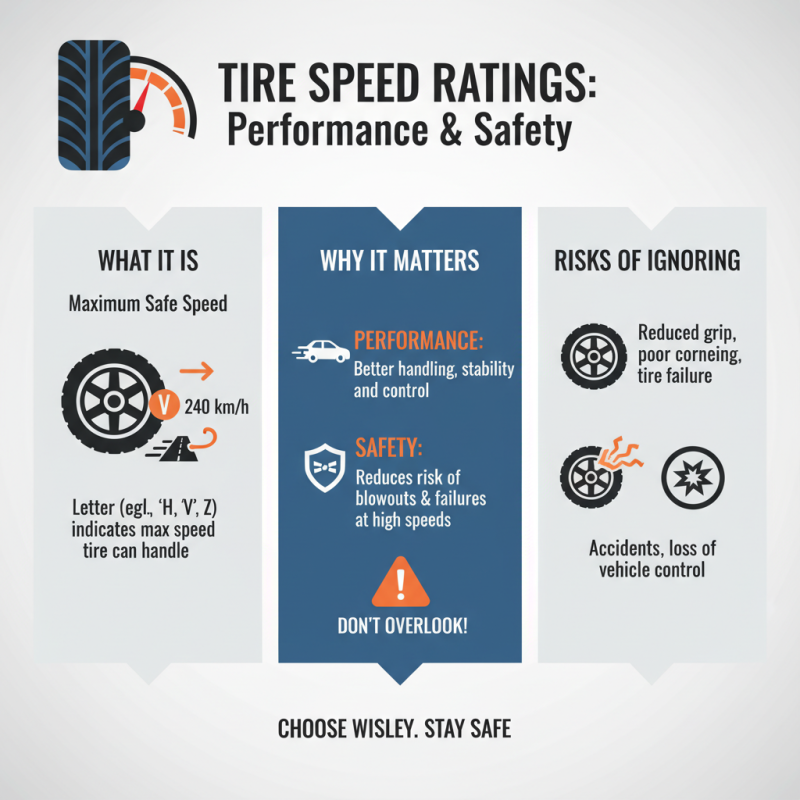
Tire speed ratings are crucial for vehicle performance and safety. They indicate how fast a tire can safely operate under optimal conditions. Many drivers overlook this detail, settling for tires without understanding their limitations. This oversight can lead to dangerous situations, especially when accelerating or navigating curves.
Understanding speed ratings helps drivers make informed choices. A higher letter rating means a tire can handle greater speeds. For instance, a tire rated 'W' can generally withstand speeds up to 168 mph. Yet, not all vehicles need such high ratings. Some drivers mistakenly choose tires that exceed their vehicle's capabilities. This can lead to an uncomfortable ride or reduced traction.
It's easy to ignore small details when shopping for tires. However, the implications of speed ratings are significant. A well-chosen tire can enhance handling and stability. On the other hand, selecting poorly can compromise safety. Always check the specifications. Make sure they align with the intended use of your vehicle.
Decoding Tire Speed Rating Labels: What the Letters Mean
Understanding tire speed ratings is crucial for safe driving. The letters on tire labels can be confusing. Each letter represents a maximum speed capability. For instance, a tire rated "H" can handle 130 mph. This is important for performance vehicles.
According to industry data, around 30% of drivers underestimate tire ratings. Many overlook speed limits and choose tires based on looks rather than specifications. This can lead to unsafe driving conditions. Tires with lower ratings may not perform well under high speeds, increasing the risk of blowouts.
Understanding the implications of speed ratings can save lives. Heavy vehicles should consider higher ratings, as they carry more weight. The performance could diminish with lower-rated tires. Always check labels carefully to ensure tires match vehicle performance needs. Not all tires are created equal. Choosing wisely can mean the difference between safety and danger.
Understanding Tire Speed Ratings
This chart illustrates the distribution of tire speed ratings based on the number of tires available for each rating. Understanding speed ratings is crucial for ensuring safety and performance, making this a key reference for selecting the right tire for your vehicle.
Factors Influencing Tire Speed Ratings: Load, Construction, and Design
When selecting tires, understanding the factors that influence speed ratings is crucial. Load capacity plays a vital role. Each tire has a weight limit it can support at high speeds. Exceeding this limit can create risks. It is essential to check your vehicle's requirements and choose accordingly.
[Image]
Construction quality also matters. Tires are made from various materials, affecting their performance. High-performance tires often use advanced compounds. These materials enhance grip and heat resistance. It’s important to consider where and how you drive. If you often travel on highways, you'll need tires that can sustain higher speeds.
Design is another key factor. The tread pattern impacts how well a tire performs. Tires with a streamlined design reduce drag and improve speed. However, choosing an aggressive tread can enhance traction but may sacrifice speed rating. Balance is necessary.
Tip 1: Always consult your vehicle’s manual for tire specifications.
Tip 2: Take note of driving conditions you face most.
Tip 3: Regularly inspect tire pressure to maintain optimal performance.
These considerations can guide you in choosing the right tire speed rating.
How to Choose the Right Tire Speed Rating for Your Driving Needs
When choosing the right tire speed rating, consider your driving habits and conditions. The speed rating indicates the maximum speed a tire can sustain safely. If you frequently drive on highways, opt for a higher rating. Conversely, if most of your driving is in the city, you may need a lower rating.
Tip 1: Check your vehicle’s manual for the recommended speed rating. This provides a baseline for your tire choices.
Tip 2: Assess your driving style. Do you enjoy quick acceleration and high speeds? Then, select a tire with a higher rating. If not, you might not need that extra capability.
Always examine the terrain where you drive. Variable conditions, like snow or heavy rain, can affect tire performance. Your driving needs might shift with the seasons. Always revisit your tire choices and reset expectations based on current conditions. It’s essential to reflect on how these factors change with time.