Essential Tips for Choosing Rugged Tires for Your Vehicle?
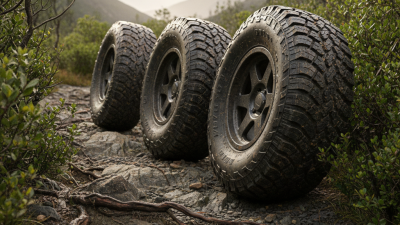
When it comes to choosing the right rugged tires for your vehicle, there are several critical factors to consider. The tire market is evolving, with a growth rate of over 4% annually, highlighting the importance of making informed decisions. Rugged tires are designed to withstand extreme conditions. They excel in off-road situations and provide superior traction on challenging terrains.
Selecting rugged tires requires an understanding of your driving habits. A report from the Tire Industry Association indicates that 60% of drivers prioritize durability and performance. Many make choices based solely on brand reputation, overlooking specific needs. Think about the environment you drive in. Do you often face mud, snow, or rocky surfaces? These conditions call for specific tread designs and materials.
Consider also the importance of tread patterns. Aggressive treads may enhance off-road performance but can compromise comfort on highways. It’s essential to reflect on your usage. Choosing rugged tires sporadically can lead to unexpected challenges. Thus, examine all aspects of your driving style to find the balance between performance and practicality.
Understanding the Importance of Rugged Tires for Off-Road Vehicles
Rugged tires serve a critical function for off-road vehicles. They enhance traction, stability, and control on uneven terrains. Off-road adventures often lead to unpredictable challenges. Without the right tires, you risk getting stuck or damaging your vehicle. It's essential to choose tires designed for both durability and performance.
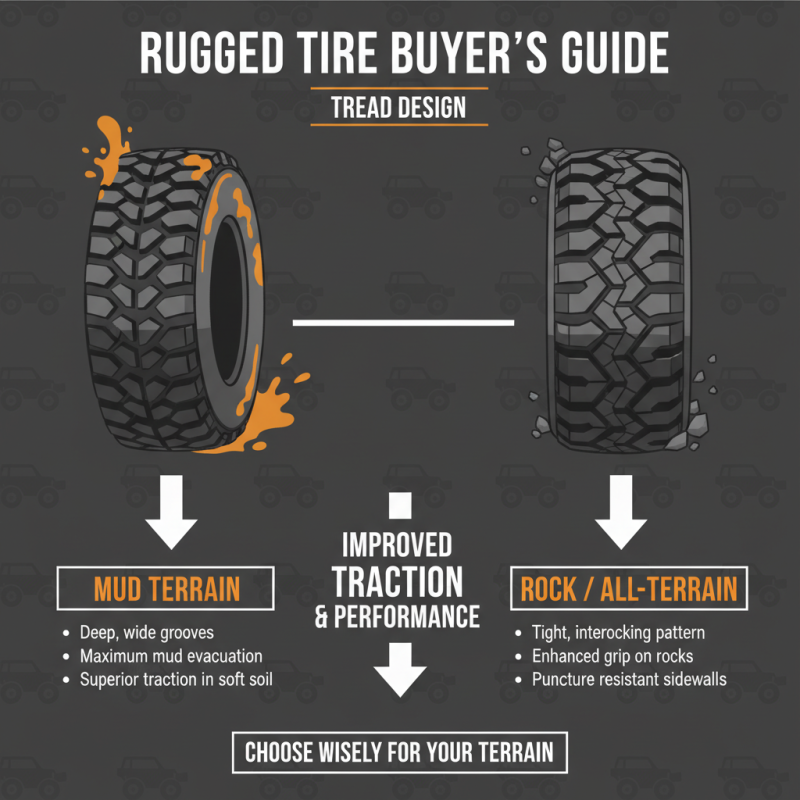
When selecting rugged tires, consider the tread design. Deep treads provide grip in mud and snow. Look for unique patterns that can channel water and offer better grip on slick surfaces. Pay attention to the rubber compound as well. Softer compounds can enhance traction, but they may wear faster. Balance is key.
Check the sidewall strength. A robust sidewall helps resist punctures from sharp rocks or debris. Don’t overlook the tire size, either. It should align with your vehicle's dimensions. Proper sizing impacts clearance and handling. Ultimately, understanding your driving conditions is essential. Tailor your tire choices to your needs.
Assessing Your Driving Conditions and Terrain
When selecting rugged tires, assessing your driving conditions is crucial. Different terrains present unique challenges. Many drivers underestimate the impact of terrain on tire performance. According to industry data, 70% of off-road enthusiasts report that tire choice affects their vehicle's handling significantly. This shows that understanding how your tires interact with various surfaces is essential.
Mud and loose gravel require tires with deep treads. These features enhance traction and prevent slippage. In contrast, rocky terrains demand tougher sidewalls to resist punctures. The difference can be life-saving. Recently, a study indicated that vehicles equipped with the right tires improve traction by up to 30% in challenging conditions. This is not just a number; it can mean the difference between staying on the trail or getting stuck.
Many drivers feel overwhelmed by choices. They often choose based on price or appearance rather than function. This can lead to disappointing performance. Data reveals that 50% of drivers regret their tire choices after facing real-world conditions. Thus, consider your typical driving environment more seriously. It's not merely about aesthetics. The right rugged tire can transform your driving experience.
Evaluating Tire Brands and Models for Ruggedness
When evaluating tire brands and models for ruggedness, performance under various conditions is crucial. A recent industry report indicates that over 70% of off-road tires struggle in extreme terrains. Selecting a tire that excels in grip and durability is essential. Look for tires with reinforced sidewalls. They resist punctures and enhance stability on rocky surfaces.
Research shows that tread patterns significantly influence performance. Tires with deeper tread grooves provide better traction. A study found that tires with an aggressive tread design improved grip by 40% in muddy conditions. It's also important to consider tire compound. Higher quality rubber compounds increase longevity and withstand harsh weather. However, some brands overstate their durability claims.
Rugged tires should offer a balance between comfort and function. Some models may feel noisy on highways despite their ruggedness. User reviews can help pinpoint these issues. Pay attention to feedback regarding wear patterns and noise levels. A tire may excel in one area but fail in another. Hence, comprehensive research is necessary.
Essential Tips for Choosing Rugged Tires for Your Vehicle
| Tire Model |
Tread Type |
Terrain Compatibility |
Load Capacity (lbs) |
Warranty (Years) |
| Model A |
All-Terrain |
Mud, Rocks, Gravel |
2500 |
5 |
| Model B |
Mud Terrain |
Mud, Soft Soil |
3000 |
4 |
| Model C |
Rock Crawling |
Rocks, Boulders |
3200 |
6 |
| Model D |
All-Terrain |
Dirt, Gravel, Snow |
2800 |
5 |
Maintenance Tips to Extend the Life of Rugged Tires
Maintaining rugged tires is crucial for optimal performance. Regular inspections can prevent small issues from becoming major problems. Check the tread depth frequently. Uneven wear may indicate alignment issues. Don't ignore these signs; they can lead to unsafe driving conditions.
Proper inflation is essential for tire longevity. Always follow the manufacturer’s guidelines for air pressure. Both under-inflation and over-inflation can decrease tire life. Consider evaluating your tire pressure at least once a month. Seasonal changes can affect how your tires hold air.
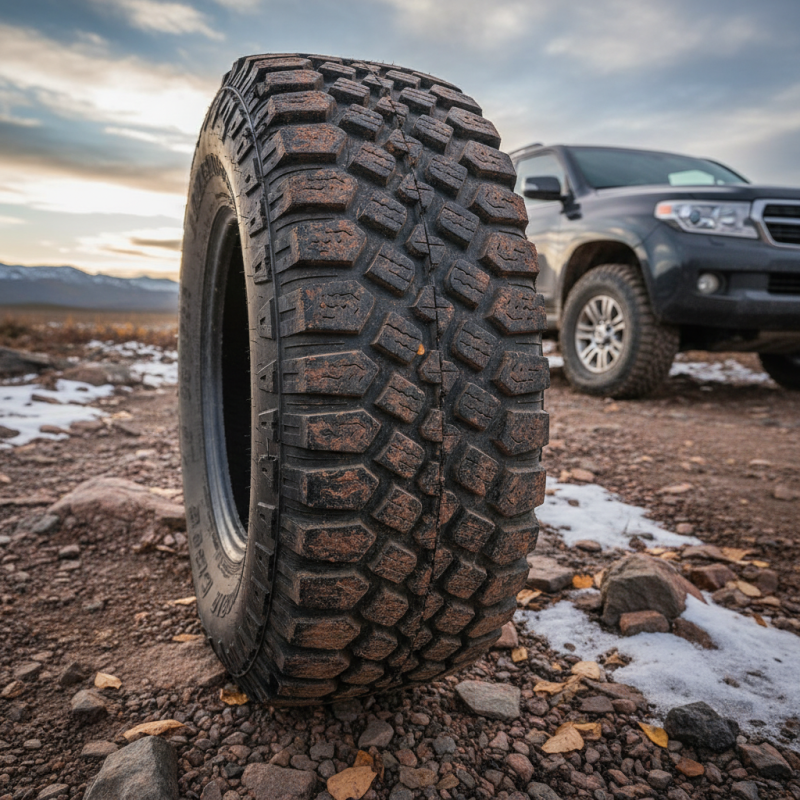
[Insert Image Here]
Cleaning your tires is often overlooked. Remove dirt and debris regularly. Use mild soap and water for maintenance. Avoid harsh chemicals that can damage the rubber. Keeping tires clean helps maintain traction and appearance. Remember to inspect for any cuts or punctures. Small damages can lead to bigger issues later. Neglecting these can be costly and dangerous.