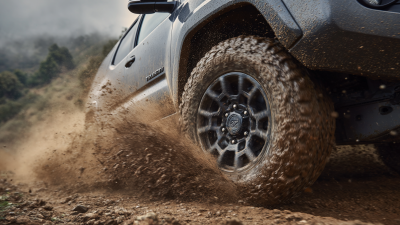
The Rise of Street Performance Tires: How They Enhance Grip and Control on Urban Roads
In recent years, the automotive industry has witnessed a significant surge in the popularity of
street performance tires, which are engineered specifically to enhance grip
and control on urban roads. According to a recent report by the Tire Industry Association, the market for
high-performance tires is expected to grow by over 6% annually, driven by increasing consumer
demand for enhanced driving experiences and superior safety features.

Street performance tires utilize advanced rubber compounds and innovative tread patterns that improve traction,
enabling vehicles to navigate city streets with greater confidence and stability. Notably, studies indicate that
vehicles equipped with these specialized tires can reduce braking distances by up to
20%, highlighting their critical role in urban driving conditions.
As urban environments become more congested and challenging, the adoption of street performance tires is poised
to play a pivotal role in enhancing overall driving performance while ensuring safety.
The Evolution of Street Performance Tires and Their Impact on Urban Driving Dynamics
The evolution of street performance tires has significantly transformed urban driving dynamics, enabling drivers to experience enhanced grip and handling in city environments. Originally designed for racetrack performance, these tires have gradually integrated advanced rubber compounds and innovative tread patterns suited for various urban conditions. This shift allows for improved traction on both wet and dry pavements, enhancing safety and confidence for drivers navigating busy streets. As urban areas become more congested, the demand for tires that can adapt to quick stops and sharp turns has never been more critical.
Tips for choosing the right street performance tires include considering the climate you drive in; specialized tires perform better in specific conditions. Make sure to evaluate the tread wear and warranties offered, as they can indicate the tire's longevity and performance expectations. Additionally, check for noise levels, as some performance tires can produce more road noise, affecting overall comfort.
Incorporating street performance tires can result in a more responsive and enjoyable driving experience. Their design not only prioritizes speed and control but also aims to enhance the daily driving routine around urban landscapes, paving the way for a safer and more exhilarating journey.

Key Features of Street Performance Tires: Enhancing Traction in Diverse Weather Conditions
Street performance tires are specifically designed to improve traction and control, making them an ideal choice for urban driving. One of their key features is their unique tread pattern, which often incorporates wider grooves and specialized rubber compounds. According to a report from Tire Business, these tires can enhance grip by up to 20% compared to traditional touring tires, particularly in wet conditions. This is achieved through a softer rubber formulation that allows for better surface contact, thus maximizing control during cornering and emergency maneuvers.
In addition to their improved wet-weather performance, street performance tires also excel in dry conditions. Their rigid sidewall construction provides enhanced stability and responsiveness, making them a favorite among enthusiasts and everyday drivers alike. The Rubber Manufacturers Association highlights that drivers can expect a noticeable difference in handling, with reports indicating a 15% improvement in cornering grip. This enhancement is crucial for navigating urban environments, where quick turns and sudden stops are commonplace. As the demand for high-performance tires rises, manufacturers continue to innovate, ensuring that street performance tires remain at the forefront of automotive technology.
Understanding the Science of Rubber Compounds: How They Affect Grip Levels on Asphalt
Understanding the science of rubber compounds is crucial for grasping how street performance tires enhance grip levels on asphalt. Various rubber formulations play pivotal roles in tire performance. For instance, tires made with high-silica compounds offer superior traction, especially in wet conditions. According to a report from the Tire Data Institute, these compounds can improve wet grip by up to 20% compared to traditional rubber. Furthermore, softer rubber compounds can create higher levels of friction but typically wear out faster, emphasizing the trade-off between grip and durability.
For urban drivers looking to improve their vehicle’s handling, the choice of tire should be informed by the type of roads they frequently navigate. All-season tires may suffice for city commuting under normal weather, but enthusiasts may benefit from investing in performance tires, which are designed with a focus on grip and responsiveness. A study by the International Tire Manufacturers Association highlighted that performance tires can reduce braking distances by nearly 30% on dry asphalt.
Tips:
- Always check the tire’s Treadwear, Traction, and Temperature ratings before making a decision; these can indicate how well they will perform under various conditions.
- Consider the climate in your area; using tires specifically designed for wet or dry conditions can enhance safety and performance significantly.
Real-World Case Studies: Performance Metrics of Street Tires Versus Conventional Tires
The rise of street performance tires has changed the way drivers navigate urban roads, emphasizing the need for enhanced grip and control. Recent real-world case studies showcase that these specialized tires outperform traditional options in various metrics such as braking distance, cornering stability, and ride comfort. For instance, tests indicate a notable reduction in stopping distances under wet conditions, highlighting the significant advancements in tire technology.
When considering street performance tires, it's essential to evaluate their specific design features. Here are some tips:
-
Look for tires with an asymmetric tread pattern, which can provide better traction and reduce road noise for a smoother ride on city streets.
-
Consider the tire compound. Softer compounds often offer increased grip but may wear out faster, while harder compounds provide durability with slightly less performance.
By making informed choices based on these performance metrics, drivers can enhance both safety and enjoyment on urban roads. As street performance tires continue to evolve, exploring these options will undoubtedly yield benefits for everyday driving experiences.
Future Trends in Tire Technology: Innovations Set to Revolutionize Urban Driving Experience
The landscape of urban driving is set to undergo a major transformation with the advent of innovative tire technologies. Recent industry reports indicate that the performance tire market is projected to grow at a CAGR of 7.5% from 2023 to 2030, driven largely by advancements in materials and design. Companies are investing in research to develop street performance tires that not only enhance grip and control but also improve durability in diverse urban environments. Innovations such as advanced tread patterns and specialized rubber compounds are being designed to optimize performance in wet and dry conditions, ensuring that drivers can confidently navigate the challenges of city roads.
Furthermore, the integration of smart technology in tire design is another trend that promises to revolutionize urban driving. Sensors embedded within the tires can provide real-time data on pressure, temperature, and wear, allowing drivers to monitor tire health and performance through connected apps. This data-driven approach is expected to reduce the incidence of blowouts and improve safety, as highlighted in a recent report by the International Tire Manufacturers Association. As these innovations continue to evolve, urban drivers can anticipate an enhanced driving experience characterized by better performance, safety, and efficiency.