How to Source EV Heavy Vehicles for Your Business Needs?
Sourcing Ev Heavy Vehicles for your business can be a complex process. With the rapid advancements in electric vehicle technology, knowing where to start is crucial. EV heavy vehicles are not just another mode of transport; they represent a shift in sustainability and operational efficiency for businesses.
In this landscape, various factors come into play. Understanding the specific needs of your operations is essential. Evaluating the right specifications, such as payload capacity and range, is vital for making informed decisions. Many companies overlook the importance of infrastructure compatibility. Charging stations and maintenance facilities are key considerations that can impact long-term investments.
Moreover, the market offers a diverse range of manufacturers and models. Navigating these choices can lead to confusion. It's important to research and gather data on the best options for your fleet. Seeking advice from industry experts can also aid in this process. By weighing all these factors, your business can confidently choose the best EV heavy vehicles. The right decisions will lead to improved efficiency and reduced environmental impact.
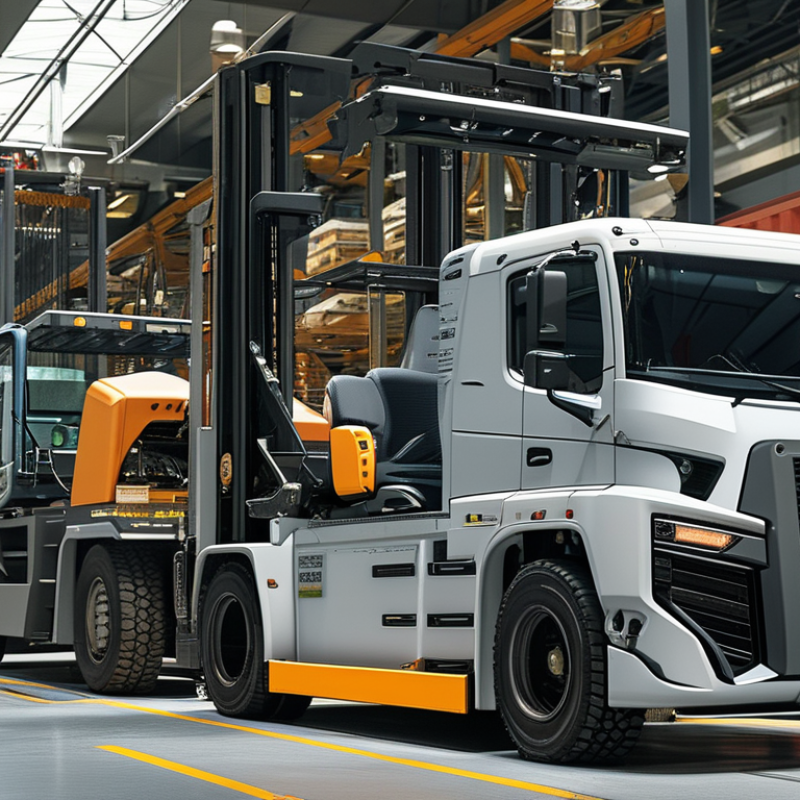
Identifying the Demand for EV Heavy Vehicles in Your Sector
Identifying the demand for electric vehicle (EV) heavy vehicles in your sector requires careful research and analysis. Start by evaluating environmental policies impacting your industry. Governments often provide incentives for transitioning to EVs. This can drive demand significantly. Engage with industry reports and market studies to discover trends. Look for statistics indicating how many companies are shifting towards sustainability.
Consider your target market's needs. Conduct surveys or interviews with potential clients. What are their pain points? Are they interested in reducing operational costs? Heavy vehicles can save on fuel and maintenance. Collecting this data will shape your approach.
Be aware of the challenges. Some sectors are slower to embrace EV technology. They may have concerns about infrastructure or range. Listen to these concerns. This feedback is valuable for product development. Finding the right balance between innovation and practicality can be tough. Remember, the market is evolving, and staying adaptable is key.
Demand for EV Heavy Vehicles by Sector
Evaluating Different Types of Heavy Electric Vehicles and Their Applications
When sourcing heavy electric vehicles (EVs) for your business, understanding their types and applications is crucial. Heavy EVs range from electric trucks to large buses. Each type serves specific needs. For instance, electric delivery trucks are ideal for urban areas, reducing emissions. They often feature regenerative braking, which enhances efficiency. In contrast, electric construction vehicles offer reliable performance in rugged environments. These heavy-duty machines can handle tough terrains while minimizing noise pollution.
Evaluating your business's requirements is key. Consider the payload capacity and range of each vehicle. Some models excel in short-distance deliveries, while others are built for longer hauls. Additionally, look at charging infrastructure. Not all locations have the same access to charging stations. This limitation can affect operational efficiency. A vehicle that seems perfect on paper might present challenges in real-world applications. Therefore, conducting a thorough assessment is essential to avoid costly mistakes.
The application of heavy EVs varies widely. Some businesses require vehicles for public transportation, while others need them for logistics. Understanding these nuances helps to align the right vehicle with your operational goals. However, insights from various sectors can be inconsistent. What works for one company may not suit another. Each decision should consider specific operational realities and environmental regulations. Balancing these factors is crucial for successful implementation.
How to Source EV Heavy Vehicles for Your Business Needs? - Evaluating Different Types of Heavy Electric Vehicles and Their Applications
| Type of Vehicle | Payload Capacity (tons) | Range (miles) | Charging Time (hours) | Applications |
| Electric Truck | 15 | 200 | 4 | Freight Transport |
| Electric Bus | 10 | 300 | 3 | Public Transit |
| Electric Forklift | 3 | 50 | 2 | Warehouse Operations |
| Electric Garbage Truck | 12 | 100 | 5 | Waste Collection |
| Electric Tow Truck | 8 | 150 | 6 | Road Assistance |
Analyzing Key Suppliers and Manufacturers in the EV Heavy Vehicle Market
Sourcing electric vehicle (EV) heavy vehicles involves understanding the key players in the market. According to a recent report by McKinsey, the EV heavy vehicle market is projected to grow at a compound annual growth rate (CAGR) of 25% between 2023 and 2030. This growth brings new suppliers and manufacturers to the forefront, making it crucial for businesses to analyze their options.
Key manufacturers dominate the EV heavy vehicle sector. Many offer innovative solutions, like advanced battery technologies and enhanced performance. For instance, companies focusing on sustainable materials see increased demand, as many fleets prioritize eco-friendly operations. However, it’s essential to vet these suppliers thoroughly. Look for certifications and reliable customer feedback.
Tips: Consider running pilot programs with potential suppliers. This approach can reveal potential shortcomings in performance or service. Don't overlook local suppliers; they may offer more flexible logistics and competitive pricing. Gathering data on total cost of ownership is vital. Understanding these nuances will help ensure your business makes informed choices.
Understanding Financing Options and Incentives for EV Heavy Vehicle Acquisition
Acquiring electric heavy vehicles (EVs) for your business requires careful consideration of financing options. Various incentives are available to ease the financial burden. Government programs often offer tax credits for businesses investing in EVs. Additionally, many regions provide grants for upgrading fleets. It’s crucial to research local and national initiatives that might apply.
Leasing is another option worth exploring. It allows businesses to access vehicles without a hefty upfront cost. Monthly payments can often be lower than traditional financing. However, it’s vital to evaluate the total costs involved. Some businesses may find unexpected expenses arise with maintenance or mileage limits. Always read the fine print to avoid surprises.
Working with experienced consultants can enhance your understanding of the market. They can provide insights into the best financing avenues. However, be cautious of overly optimistic projections. Not all consultants have the same level of expertise. Gathering multiple opinions can help you make more informed decisions about your EV fleet investment. Each choice carries potential risks and rewards, so a thorough assessment is necessary.
Assessing Total Cost of Ownership for EV Heavy Vehicles in Business Operations
When considering the total cost of ownership for electric vehicle (EV) heavy vehicles, businesses must take a comprehensive approach. This goes beyond just the upfront purchase price. Factors such as maintenance costs, energy consumption, and depreciation play critical roles. Analyzing these elements can reveal unexpected expenses that might affect budget planning.
Many businesses overlook charging infrastructure in their calculations. The cost to install charging stations can be significant, yet it is essential for supporting a fleet of EVs. Planning for electricity rates is equally important. Fluctuating energy prices can impact operational costs differently over time.
Maintenance for EV heavy vehicles typically is lower than their diesel counterparts. However, specialized training for technicians might be necessary. This investment in knowledge can lead to long-term savings. Not all organizations will optimize these areas effectively. It's crucial to periodically reassess these costs to ensure the sustainability of the fleet. Balancing these elements will help in making informed decisions for your business needs.