What are Four Season Tires? Your Ultimate Guide to All-Weather Driving
When it comes to navigating diverse weather conditions, understanding the capabilities of "four season tires" can significantly enhance your driving experience. As automotive technology advances, more drivers are exploring all-weather options that provide a seamless transition between different seasonal challenges. According to a report by the Tire Industry Association, around 30% of U.S. drivers opt for all-season or four season tires for their vehicles—a testament to their rising popularity and practicality. These tires are specifically designed to offer balanced performance in a variety of driving conditions, including wet, dry, and light snow environments.

Four season tires combine elements of summer and winter tire technology, enabling them to perform efficiently across a diverse range of temperatures and weather scenarios. A study from the Consumer Reports highlights that vehicles equipped with four season tires maintain better traction during transitional seasons, reducing the risk of accidents caused by sudden weather changes. As climate patterns become increasingly unpredictable, the demand for versatile tire options grows, driving innovation in tire design and performance.
In this ultimate guide, we will explore the key features, benefits, and considerations of four season tires, empowering you to make informed decisions for all-weather driving.
Understanding the Basics: What Defines Four Season Tires and Their Features
Four season tires are engineered to provide versatile performance across varying weather conditions, making them ideal for drivers who experience a mix of climates. Unlike traditional all-season tires, four season tires offer enhanced grip in snowy and icy conditions while maintaining solid handling and stability in warmer temperatures. This versatility means they can be used year-round without the need for switching to winter tires, making them a practical choice for those looking to simplify their seasonal tire changes.
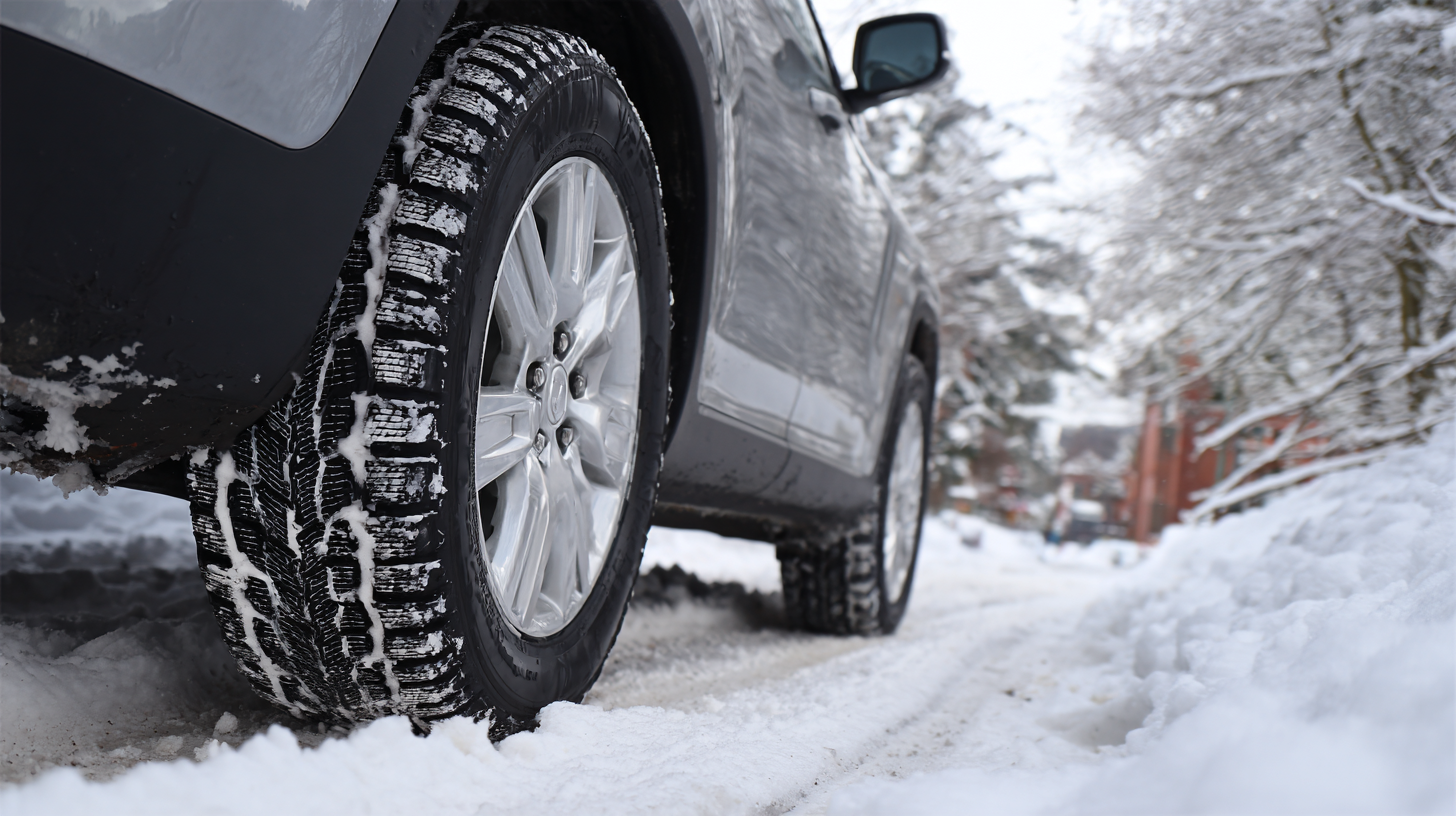
These tires typically feature a unique tread pattern that improves traction on both wet and dry surfaces. Additionally, four season tires are made with rubber compounds designed to remain flexible in colder temperatures while resisting wear in warmer conditions. Advanced technologies, such as siping and grooves, enhance the tires’ ability to channel water away from the surface, reducing the risk of hydroplaning. With their balanced performance, four season tires cater to a wide range of driving needs, appealing to both casual drivers and those who prioritize safety and reliability in unpredictable weather.
The Science of Tread Patterns: How Four Season Tires Improve Traction and Performance
Four season tires are specifically designed to offer versatility across a range of weather conditions, providing a balance of performance in both wet and snowy environments. The science behind their tread patterns plays a crucial role in enhancing traction and stability. Unlike traditional tires, four season tires utilize a unique design that incorporates varied tread depths and patterns, optimizing grip on slippery surfaces while maintaining adequate performance on dry roads. This adaptability helps drivers tackle diverse driving challenges, especially as winter approaches with its icy and unpredictable conditions.
Incorporating features such as specialized rubber compounds and an optimized channel system, these tires effectively disperse water and slush, reducing the risk of hydroplaning during rainy days. Moreover, the robust tread patterns allow for improved contact with the road, ensuring safer braking and cornering performance. As many locations face the dilemma of switching tires with changing seasons, four season tires present a practical solution for drivers seeking reliability and convenience throughout the year.
Temperature Considerations: Optimal Operating Conditions for All-Weather Tires
Four season tires, designed to perform in a variety of weather conditions, are an essential choice for drivers who face fluctuating temperatures throughout the year. These tires are engineered to provide adequate traction in mild winter conditions, including light snow and rain, while maintaining performance on dry roads. The optimal operating temperature for all-weather tires generally ranges between 40°F and 80°F (4°C to 27°C). Within this range, the tire’s rubber compounds remain flexible, allowing for improved grip and handling.
As temperatures drop below this range, the rubber can become stiffer, reducing the tire's effectiveness and grip on icy or wet surfaces. Conversely, if temperatures exceed 80°F, the tires may wear faster and lose tread, compromising safety. Therefore, it is crucial for drivers to consider their local climate and driving habits when choosing four season tires. Investing in a tire that functions well across a spectrum of temperatures ensures both safety and comfort, allowing for a seamless driving experience in any season.

Comparative Analysis: Four Season Tires vs. Summer and Winter Tires Performance
Four season tires are designed to provide balanced performance throughout the year, but how do they really stack up against dedicated summer and winter tires? In terms of temperature adaptability, four season tires excel in moderate conditions, offering a compromise between the summer tire's handling and the winter tire's traction. They typically feature a tread pattern that enhances grip in light snow while maintaining reasonable performance in wet and dry conditions.
However, when faced with extreme weather, such as heavy snowfall or high temperatures, their performance may not measure up to specialized options.
Summer tires, specifically designed for warm weather, outperform four season tires in terms of responsiveness and handling on dry roads. Their rubber compounds provide superior grip, leading to increased performance during high-speed driving.
On the other hand, winter tires are unmatched in icy or snowy conditions, with deeper treads and softer compounds that cling to the road surface, ensuring safety in harsh winter environments.
Ultimately, the choice between these tire types hinges on driving habits and local climate, with four season tires serving well for those in moderate areas, while specialized tires offer optimal performance in extreme conditions.
Consumer Insights: Survey Data on Driving Preferences and Tire Choices for All-Weather Conditions
Consumer preferences for all-weather tires have been shaped significantly by recent market trends and insights. A survey exploring driving habits and tire choices reveals that many drivers prioritize safety and versatility over seasonal specificity when selecting their tires. This shift towards all-weather tires suggests a growing awareness among consumers of the constant driving conditions they face, as well as a desire for convenience and long-term cost savings associated with not needing to switch tires seasonally.
The global rubber tire market reflects this changing consumer behavior, with projections indicating significant growth in the coming years. The research indicates that the pneumatic tire segment alone is expected to surpass USD 564 billion by 2034, highlighting the increasing demand for reliable tire options that can perform in varied weather conditions. Furthermore, insights from consumer spending behavior studies show that well-informed consumers are more inclined to invest in all-weather tire solutions, enhancing their driving experience regardless of the climate they encounter.
Driving Preferences for All-Weather Conditions