Decoding Car Tire Size: How to Choose the Perfect Fit for Your Vehicle
Choosing the right car tire size is crucial for ensuring optimal performance, safety, and longevity of your vehicle. With a plethora of options available in the market, understanding how to decode tire specifications can feel overwhelming for many drivers. The tire size affects everything from handling and fuel efficiency to ride comfort and braking distance. By selecting the perfect fit based on your vehicle’s requirements, you can enhance your driving experience significantly.
In this article, we will explore the essential aspects of car tire size, demystifying the alphanumeric codes printed on the sidewalls. We will discuss how these sizes relate to your car's performance and what factors to consider when making a choice.
Be it for everyday commuting, off-road adventures, or high-speed driving, understanding your vehicle’s tire size requirements will empower you to make an informed decision.
Join us as we present the "Top 5" tips to help you select the ideal tires that not only meet your needs but also contribute to a safer driving experience.
Understanding Tire Size Numbers and Their Meanings
When it comes to choosing the right tire size for your vehicle, understanding the numbers on the tire sidewall is crucial. Tire size is typically represented in a format such as P215/65R15. Here, "P" indicates it's a passenger tire, while "215" refers to the tire's width in millimeters. The "65" represents the aspect ratio, which is the height of the tire's sidewall as a percentage of its width. Lastly, "R15" signifies that the tire is of radial construction and designed to fit a 15-inch diameter wheel. According to industry reports, proper tire specifications can significantly enhance vehicle performance, affecting handling and fuel efficiency.
Moreover, selecting the correct tire size can also impact safety. A study from the Tire Industry Association indicates that improperly sized tires can lead to issues such as decreased traction and unstable handling. For instance, a mismatch in tire diameter can lead to inaccurate speedometer readings and uneven wear, translating to higher maintenance costs. According to data from the Consumer Reports, nearly 40% of drivers do not check their tire sizes, highlighting a significant knowledge gap among consumers. Addressing this gap can help ensure better vehicle performance and safety on the road.
Decoding Car Tire Size: How to Choose the Perfect Fit for Your Vehicle - Understanding Tire Size Numbers and Their Meanings
| Tire Size |
Section Width (mm) |
Aspect Ratio (%) |
Wheel Diameter (inches) |
Load Index |
Speed Rating |
| 205/55R16 |
205 |
55 |
16 |
91 |
H |
| 225/50R17 |
225 |
50 |
17 |
94 |
V |
| 245/45R18 |
245 |
45 |
18 |
100 |
W |
| 265/40R19 |
265 |
40 |
19 |
102 |
Y |
| 195/65R15 |
195 |
65 |
15 |
91 |
T |
Key Factors to Consider When Selecting Tires for Your Vehicle
Choosing the right tires for your vehicle is essential for optimizing performance, safety, and efficiency. Several key factors must be considered when selecting tires, starting with the tire size, which is crucial for ensuring a proper fit on your vehicle. The right tire size not only enhances handling and stability but also contributes to fuel efficiency. It's important to consult your vehicle's manual or the manufacturer's recommendations before making a decision.
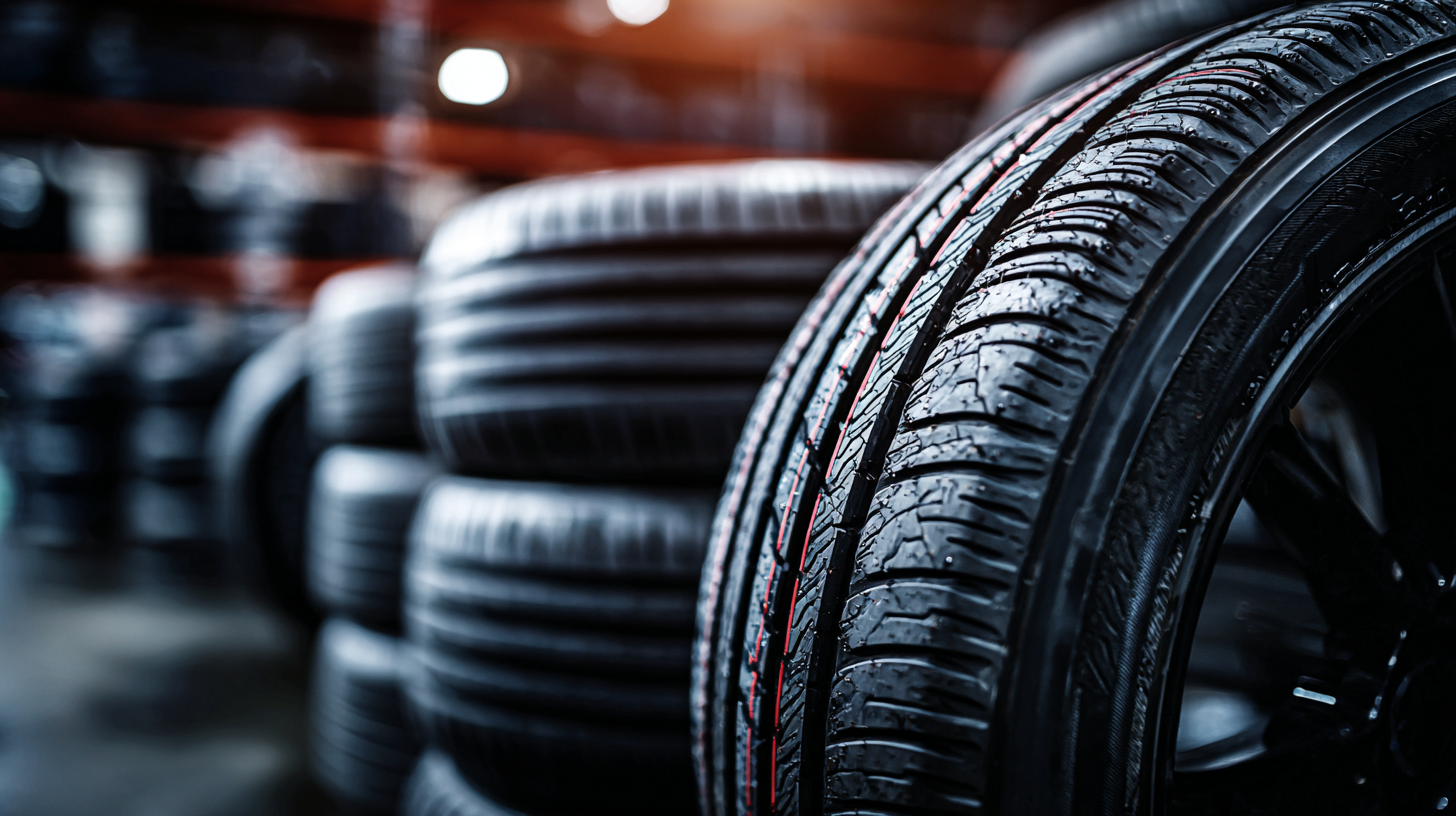
In addition to size, understanding the type of tire suited for your driving conditions can significantly impact your vehicle's performance. For instance, all-season tires might be ideal for varied climates, while specialized options, such as winter tires, offer superior grip in cold and snowy conditions. Moreover, industry projections indicate that the global commercial vehicle tire market is set to grow from $20.71 billion in 2025 to $33.90 billion by 2032, with a compound annual growth rate (CAGR) of 7.2%. This growth reflects the increasing demand for high-quality tires that cater to diverse driving needs, emphasizing the importance of making an informed choice.
The Importance of Load Index and Speed Rating in Tire Selection
When selecting the perfect tire for your vehicle, understanding the load index and speed rating is crucial. The load index indicates the maximum weight each tire can support, which is essential for maintaining safety and performance. For instance, a common load index for passenger car tires ranges from 75 to 100, corresponding to a load capacity between approximately 650 to 800 kg. According to a report by the Rubber Manufacturers Association (RMA), using tires with a load index below the required capacity can lead to premature tire failure and compromise vehicle handling.
Equally important is the speed rating, which denotes the maximum speed a tire can safely maintain over time. Speed ratings range from "L" (120 km/h) to "Y" (300 km/h) or more. A study published in the Journal of Tire Technology highlighted that choosing tires with an appropriate speed rating not only enhances the vehicle's performance but also plays a vital role in safety, particularly for high-performance vehicles. Tires with a lower speed rating may overheat and become damaged if driven at speeds exceeding their limits, underscoring the importance of aligning tire specifications with your driving habits and vehicle requirements.

Choosing the Right Tire Type for Your Driving Conditions
When selecting tires for your vehicle, understanding the different types available is crucial, especially in relation to your driving conditions. According to the Tire Industry Association, about 50% of tire buyers do not consider the type of tire that best suits their environment, leading to performance issues and premature wear. For instance, all-season tires are versatile and designed for a range of weather conditions, but they may not perform optimally in extreme climates. If you live in an area with heavy snowfall, a dedicated winter tire, which features deeper treads and specialized rubber compounds, can increase traction and enhance safety.
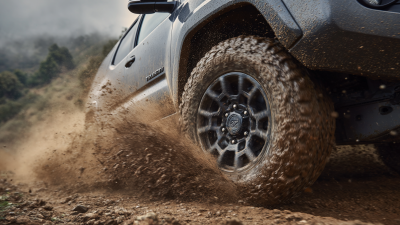
Additionally, if your driving includes off-road adventures, consider all-terrain or mud-terrain tires. Data from the Rubber Manufacturers Association indicates that off-road tires can improve vehicle performance in rugged conditions by up to 30%. They typically feature reinforced sidewalls and more aggressive tread patterns, which provide better grip on loose surfaces. Selecting the right tire type based on your specific driving conditions not only enhances safety but can also prolong the life of your tires, ensuring a smoother ride.
Tips for Consulting Professionals When Deciding on Tire Fit
When choosing the right tire fit for your vehicle, consulting professionals can be an invaluable step. According to the Tire Industry Association (TIA), nearly 30% of tire-related problems stem from incorrect size selection. Professionals have access to comprehensive databases that assist in cross-referencing manufacturer specifications and industry standards, ensuring that your vehicle's performance and safety needs are met. Understanding factors such as load index, aspect ratio, and tread patterns is crucial, as miscalculations can lead to compromised handling and increased wear.
Moreover, experts can provide insight on the latest advancements in tire technology. For example, a report by the Rubber Manufacturers Association (RMA) highlights that selecting the right tire can improve fuel efficiency by up to 15%. This statistic underscores the importance of expert advice, as professionals can recommend tires that not only fit your vehicle but also align with your driving habits and environmental considerations. Engaging with specialists ensures that you're making an informed decision, ultimately enhancing the longevity and safety of your tire investment.