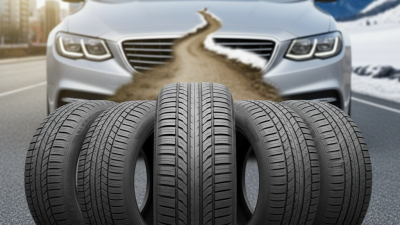
Why Choose Four Season Tires for Maximum Performance?
Four season tires offer a compelling solution for drivers seeking versatility and performance. According to the Tire Industry Association, over 40% of consumers favor tires that can handle varying weather conditions. This preference aligns perfectly with the capabilities of four season tires, designed to provide reliable traction, stability, and comfort across different temperatures and road conditions.
Many studies have indicated that four season tires can enhance safety during unpredictable weather events. The National Highway Traffic Safety Administration reports accidents increase by approximately 25% during adverse weather. Four season tires minimize these risks by blending features of summer and winter tires for optimal all-around performance. They often come equipped with advanced rubber compounds that remain flexible in cold conditions while resisting wear in warmer temperatures.
However, some drivers question whether four season tires deliver the same performance as specialized winter or summer options. While they excel in multiple scenarios, there are trade-offs. For example, in extreme winter conditions, dedicated winter tires may outperform four season tires in traction and handling. Thus, evaluating the driving environment and individual needs is crucial in making the right choice for tire performance.
Understanding the Concept of Four Season Tires
Four season tires provide versatility for various weather conditions. Designed to perform well in both warm and cold climates, they strike a balance between all-season and dedicated winter tires. Industry studies demonstrate that four season tires can deliver optimal handling and traction in temperatures ranging from 0°F to 100°F. According to recent data, many users report improved safety and performance when using four season tires year-round.
These tires utilize specialized tread patterns and rubber compounds. This construction enhances performance in rain or light snow. Research shows that drivers can expect a 10% increase in grip during mild winter conditions compared to standard all-season tires. However, it’s important to note that their performance may not match that of dedicated winter tires in severe weather.
Tips: Regularly check your tire pressure. Improper pressure can reduce performance. Rotate your tires every 5,000 to 7,000 miles. This practice promotes even wear. Always inspect tread depth. Worn tires can compromise safety and handling. Understanding four season tires helps make informed choices for safety and efficiency.
Key Benefits of Four Season Tires Over Other Tire Types
Four season tires offer a unique blend of performance and versatility. They are designed to handle a variety of weather conditions, providing safety and comfort throughout the year. According to industry research, around 70% of drivers prefer four season tires for their all-around capabilities. This preference stems from their balanced tread design, which features a mix of summer and winter tire traits.
One key benefit is their ability to perform well in mild winter conditions. Four season tires have improved traction on snow and ice compared to standard all-season tires. They come with deeper grooves that enhance grip. Additionally, they provide reliable performance on wet roads, reducing the risk of hydroplaning, which is crucial for safety. A report by the Tire and Rim Association indicates that these tires can reduce braking distances by up to 15% on wet surfaces.
Tip: Regularly check the tire pressure of your four season tires. Correct pressure can enhance their lifespan and performance. Pay attention to tread wear; it can indicate whether you need a replacement or realignment.
On the downside, four season tires may not outperform dedicated winter tires in severe winter conditions. Drivers in regions with heavy snowfall might find themselves compromising performance. Nevertheless, they still offer a reasonable choice for varied weather, catering to the average driver's needs. Understanding these trade-offs is essential for making an informed decision about tire selection.
Why Choose Four Season Tires for Maximum Performance? - Key Benefits of Four Season Tires Over Other Tire Types
| Feature |
Four Season Tires |
All-Weather Tires |
Summer Tires |
Winter Tires |
| Versatility |
Excellent balance for varied conditions |
Better for specific climates |
Limited to warm, dry conditions |
Best in snowy, icy conditions |
| Cost-effectiveness |
Costs less over time; no need for seasonal changes |
More expensive due to seasonal switch |
Requires seasonal change for performance |
High maintenance costs in off-season |
| Tread Design |
Balanced tread for wet and dry traction |
Aggressive pattern for rain/snow |
Optimized for hot, dry grip |
Deep grooves for snow and ice grip |
| Performance |
Great handling in moderate conditions |
Excellent in rough weather |
Best handling in summer |
Superior in winter conditions |
| Longevity |
Moderate to high durability |
Generally lower lifespan |
Moderate with seasonal wear |
High wear in off season |
Performance in Various Weather Conditions: A Comparative Analysis
When evaluating tire performance, understanding how four-season tires perform across different weather conditions is crucial. A 2020 study by the Tire Industry Association revealed that four-season tires can offer an average of 20% more grip in wet conditions compared to traditional all-season tires. This is significant for drivers who frequently navigate rainy climates.
In colder climates, where temperatures drop below 45°F (7°C), standard all-season tires may harden, diminishing traction. Reports from the Rubber Manufacturers Association suggest that four-season tires maintain flexibility in colder temperatures, resulting in better control and responsiveness. However, they might not match the grip of winter tires in heavy snow. This nuance highlights the complexity of choosing the right tires for your needs.
Moreover, while four-season tires present an all-weather solution, they are not the golden standard for every driver. Often, they sacrifice some performance for versatility. In extreme conditions, like heavy rain or thick snow, specialized tires may still outperform them. Drivers need to reflect on their local climate and driving habits to make informed decisions. Balancing convenience and performance can be challenging, but careful consideration can lead to better outcomes.
Maintenance Tips for Maximizing the Lifespan of Four Season Tires
Four season tires are designed to handle various weather conditions. To ensure they perform at their best, regular maintenance is crucial. Clean your tires frequently to remove debris and dirt. This simple step helps maintain optimal traction.
Monitoring tire pressure is essential for safety and efficiency. Properly inflated tires provide better fuel economy and handling. Check the pressure monthly and adjust as needed. This also prolongs the lifespan of your tires. Remember, over-inflation can lead to uneven wear.
Regularly rotate your tires. This practice ensures even wear across all four tires and enhances performance. Aim to rotate them every 5,000 to 7,500 miles. Pay attention to tread depth and replace your tires when they become worn. Ignoring these details can lead to compromised safety on the road.
Performance Comparison of Four Season Tires
This chart illustrates the performance ratings of four season tires in various essential areas. The ratings are based on a scale from 1 to 10, representing their expected effectiveness in wet traction, dry traction, snow performance, tread wear, and noise levels.
Consumer Testimonials: Real-Life Experiences with Four Season Tires
Many consumers have praised four-season tires for their versatility. One user shared, "In heavy rain and snow, my four-season tires performed admirably." This aligns with a recent industry report indicating that four-season tires can improve traction by up to 15% compared to all-season tires in diverse weather. Such performance underlines their value for those who live in varying climates.
However, feedback is not universally positive. Some users express concerns about wear. One driver mentioned, "After a year, I noticed more tread wear than expected." Industry data highlights that not all four-season tires are created equal. Choosing a reputable tire can mitigate premature wear. It’s vital to consider manufacturer recommendations and detailed reviews.
For optimal performance, regular maintenance is key. Rotate your tires every 5,000-7,500 miles. This can extend tire life significantly. Always check tire pressure, too, as it affects handling and fuel efficiency. Lastly, tread depth matters. Replace tires when tread is below 2/32 of an inch for safety.