When it comes to navigating the challenges of rugged terrain, selecting the right tires is paramount for both safety and performance. According to a report by Tire Review, over 40% of off-road enthusiasts consider tire choice to be the single most critical factor in ensuring vehicle capability on challenging landscapes. With a multitude of options available, understanding what makes the best rugged terrain tires can significantly impact your driving experience and the longevity of your vehicle.
Rugged terrain tires are specifically designed to provide optimal grip, durability, and traction on uneven and unpredictable surfaces. A study conducted by the Specialty Equipment Market Association (SEMA) highlights that the right tire can improve off-road performance by up to 50%, making it essential for drivers to carefully evaluate their options. Factors such as tire tread design, rubber composition, and sidewall strength play critical roles in tire performance, and can mean the difference between a successful expedition and a frustrating setback.
As we delve into the comprehensive guide on choosing the best rugged terrain tires, we aim to equip you with the knowledge and insights needed to make an informed decision. By understanding the technical specifications and performance metrics that define rugged terrain tires, you can tackle any off-road challenge with confidence and ease.
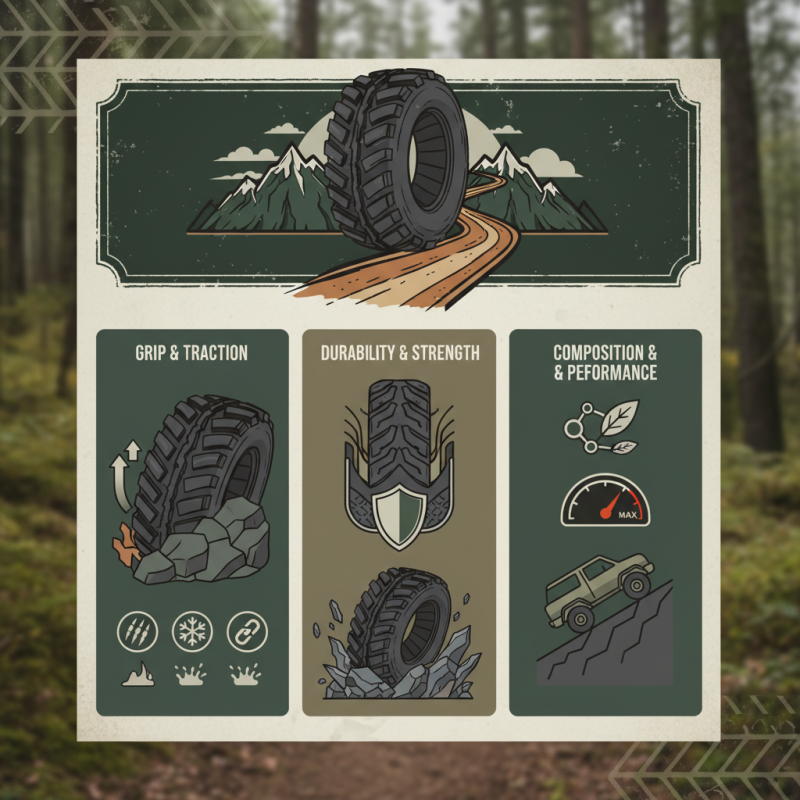
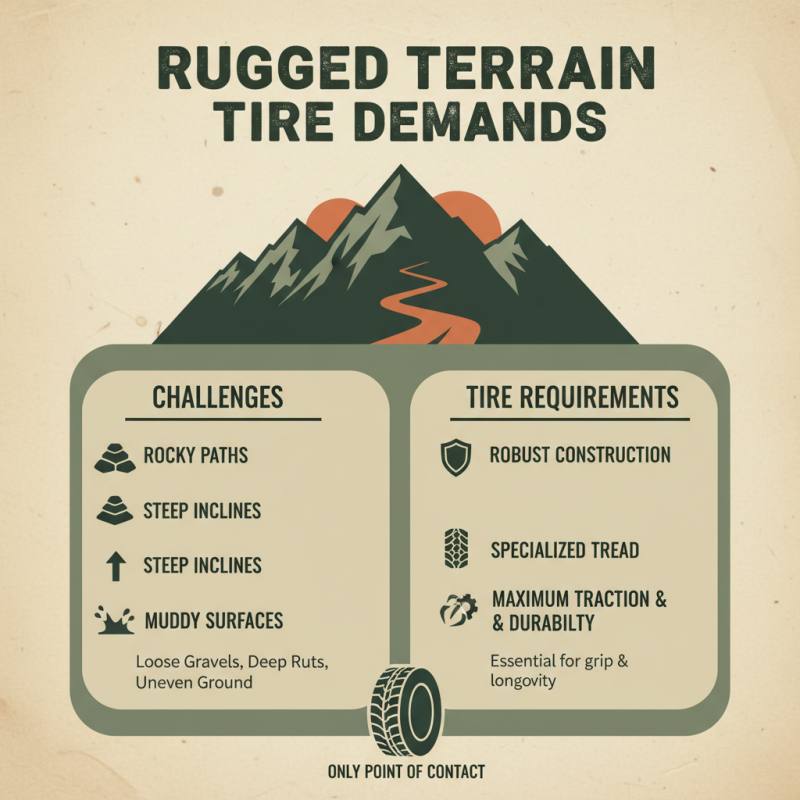
Rugged terrain poses unique challenges for both vehicles and their tires. When navigating rocky paths, steep inclines, or muddy surfaces, the tires are the only point of contact with the ground. Thus, understanding the demands of these environments is crucial. Rugged terrain typically includes loose gravel, deep ruts, and uneven surfaces, which require tires with a robust construction and specialized tread patterns for maximum traction and durability.
Tips for choosing the right tires include looking for aggressive tread patterns that can grip diverse surfaces effectively. Wider tires can offer better stability and flotation over soft and uneven ground, while sidewall strength is essential to withstand impacts from rocks and debris. Additionally, consider the tire's material; those made with reinforced compounds tend to provide better puncture resistance and longevity in harsh conditions.
Another critical factor to analyze is tire pressure management. Lowering tire pressure can enhance traction on soft surfaces like sand or mud, allowing for greater adaptability. However, it’s vital to maintain a balance to prevent tire damage, especially on rocky terrains. Regularly checking and adjusting tire pressure can make a significant difference in performance and safety when tackling rugged landscapes.
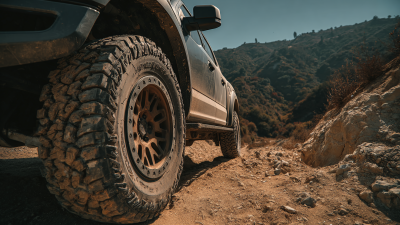
When choosing the best tires for rugged terrain, it’s crucial to consider several key features tailored for off-road conditions. Tires designed for extreme environments should have deep, aggressive treads to enhance traction on uneven surfaces and in loose soil. The tread design contributes significantly to the tire's grip, allowing vehicles to maneuver through mud, sand, and rocky paths effectively. For instance, high-quality off-road tires often feature larger and more widely spaced lugs that help evacuate mud and debris, ultimately preventing slippage.
Moreover, durability is another essential characteristic of off-road tires. Tires that can endure harsh conditions usually employ tougher rubber compounds and reinforced sidewalls to resist punctures and abrasions. The global off-the-road (OTR) tires market is projected to grow significantly, from USD 5.23 billion in 2025 to USD 8.78 billion by 2033, underscoring the increasing demand for specialized tire designs that facilitate rugged off-road performance. As enthusiasts seek vehicles that combine daily usability with off-road capabilities, selecting the right tires becomes a critical aspect of ensuring a seamless transition between adventures and everyday driving.
| Tire Type | Tread Pattern | Traction Rating | Puncture Resistance | Terrain Suitability |
|---|---|---|---|---|
| All-Terrain | Symmetrical | AA | High | Mud, Sand, Rocks |
| Mud Tires | Aggressive | A | Very High | Soft Mud, Swamps |
| Rock Crawling | Large Knobs | AA | Extremely High | Rocks, Boulders |
| Sand Tires | Flat Tread | B | Moderate | Sand Dunes |
| Street Legal Off-Road | Hybrid | A+ | High | Mixed Conditions |
When selecting tires for rugged terrain, understanding the various types available is essential. All-terrain tires are a popular option, offering a versatile tread design that balances on-road comfort with off-road capabilities. These tires are engineered to handle diverse surfaces, including muddy trails, rocky paths, and gravel roads, making them suitable for drivers who frequently transition between different environments.
Mud-terrain tires, on the other hand, are specifically designed for challenging off-road conditions. With deeper treads and wider gaps between tread patterns, they provide enhanced traction on slippery and uneven surfaces. This type of tire is ideal for extreme off-roading, allowing vehicles to navigate through thick mud, snow, and loose gravel without losing grip.
Additionally, rock-crawling tires feature robust sidewalls to withstand sharp rocks and obstacles, ensuring durability and stability on unpredictable terrains. Each type serves distinct needs, making it crucial to choose the right tire based on the specific challenges you expect to encounter.
When selecting tires for rugged terrain, evaluating tire size and tread patterns is crucial for achieving optimal performance. Tire size significantly impacts handling and stability; therefore, choosing the right width and diameter ensures compatibility with your vehicle's specifications and the demands of off-road conditions. Wider tires often provide better traction and flotation over soft surfaces, while a larger diameter can enhance ground clearance, allowing for smoother navigation over obstacles.
Tread pattern design plays a vital role in tire performance on various terrains. Deep, aggressive treads are beneficial for off-road scenarios as they help in gripping loose surfaces like mud, sand, and gravel. Conversely, a tighter tread may be advantageous for maintaining control on more stable surfaces, such as rocky trails. It's important to balance the trade-offs between on-road comfort and off-road capability, ensuring that the chosen tire not only withstands rugged environments but also performs efficiently on highways when necessary. By carefully considering both size and tread patterns, you can optimize your vehicle's performance in challenging terrains.
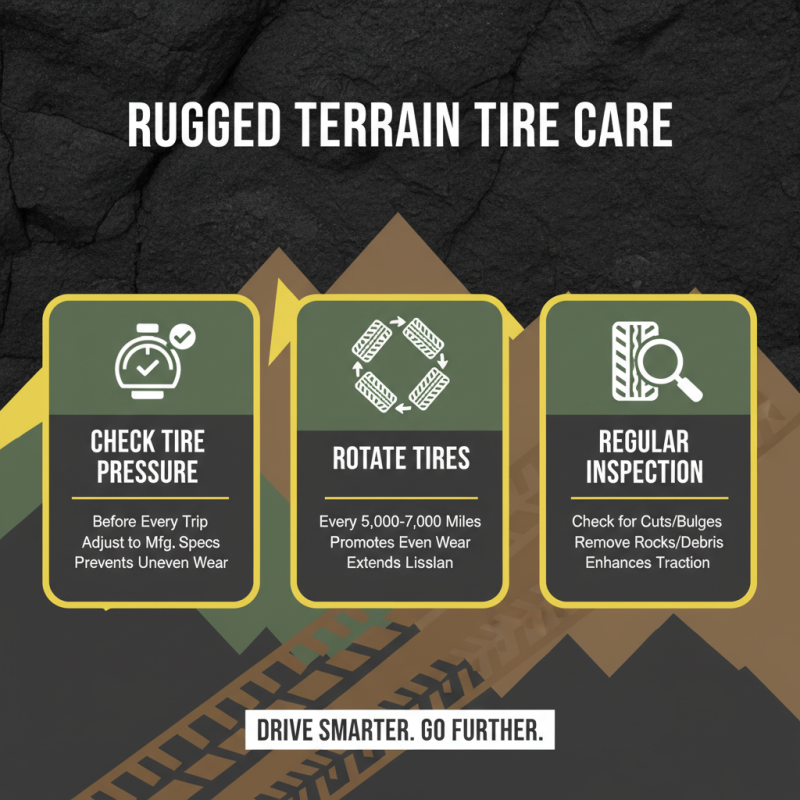
Maintaining tires for rugged terrain is crucial for ensuring their longevity and performance. One effective method is to regularly inspect tire pressure, as under-inflated tires can wear out faster and reduce traction. It's advisable to check the pressure before every significant trip, adjusting it according to the manufacturer’s recommendations. Additionally, rotating tires every 5,000 to 7,000 miles can help distribute wear evenly and prolong their lifespan, especially when navigating uneven surfaces.
Another important aspect of maintenance is cleaning tires after exposure to challenging environments. Mud, dirt, and debris can compromise the tire's integrity and performance. Using a stiff brush and water to scrub the treads and sidewalls will not only keep them clean but also allow for better performance by maintaining grip. Furthermore, applying a protective dressing can help prevent cracks and fading caused by UV exposure, thus enhancing the tire’s durability in extreme conditions. Regularly assessing tread depth is also essential; replacing tires when the tread becomes too worn out will ensure safety and optimal performance on rugged terrains.