How to Choose the Best Street Performance Tires for Your Vehicle
When it comes to optimizing your vehicle's performance on the street, selecting the right street performance tires is crucial. According to a comprehensive report by Tire Business, the global tire market was valued at approximately $70 billion in 2021, with a significant segment devoted to high-performance tires. Street performance tires are designed to enhance grip, responsiveness, and control, allowing drivers to fully experience their vehicle's capabilities. In fact, a study from the Specialty Equipment Market Association (SEMA) indicates that upgrading to performance tires can reduce braking distances by up to 20% compared to standard tires.
Choosing the best street performance tires involves considering various factors, including tire compound, tread design, and size. A report from the Tire Industry Association emphasizes that the right tire can improve cornering stability and acceleration, critical for both casual enthusiasts and competitive drivers. Additionally, market trends show an increasing consumer preference for tires that provide not only performance but also improved durability and noise reduction. As the demand for street performance tires grows, understanding the essential features and technological advancements can lead to an informed decision, ensuring your vehicle performs at its best on the asphalt.

Understanding the Importance of Street Performance Tires for Your Vehicle
Choosing the right street performance tires is essential for maximizing your vehicle's handling, safety, and overall driving experience. These tires are specifically designed to provide superior grip and responsiveness on paved roads, enhancing your vehicle's stability during cornering and acceleration. The importance of street performance tires lies in their ability to improve traction, especially in varying weather conditions, ensuring that you maintain control even at high speeds.
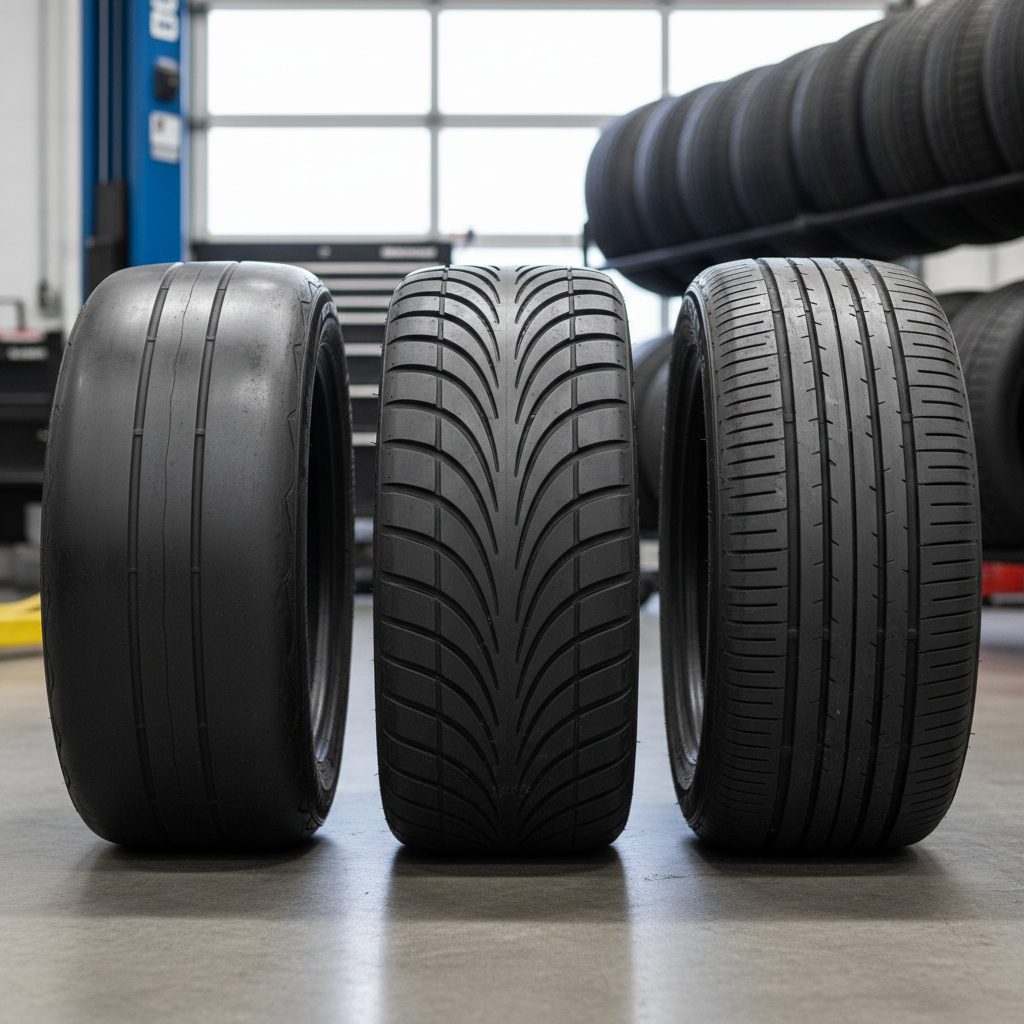
When selecting the best street performance tires, consider factors such as tread design, tire compound, and sizing. The tread pattern influences water drainage and grip levels, while the rubber compound affects durability and traction. Be sure to check that the tire's specifications align with your vehicle's performance needs and driving style.
**Tips:**
1. Evaluate your driving environment. If you drive in wet or icy conditions often, prioritize tires that offer superior wet traction.
2. Look for tires with a reputation for performance and longevity; read reviews from other drivers to gauge their real-world performance.
3. Don’t forget to consider the noise level; some high-performance tires can be louder than standard ones, affecting your ride comfort.
Analyzing Street Performance Tires: Key Factors
This chart showcases the performance ratings of key factors influencing the choice of street performance tires for vehicles. The ratings are on a scale from 1 to 10, highlighting aspects such as tread life, wet traction, dry traction, noise level, and price.
Key Factors to Consider When Selecting Street Performance Tires
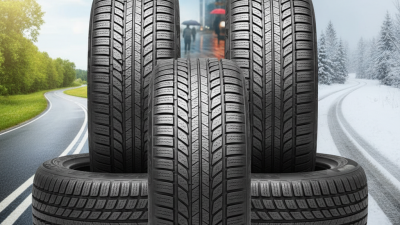
When selecting street performance tires for your vehicle, several key factors should guide your decision. First and foremost, consider the weather conditions in which you will be driving. Tires designed for warm, dry conditions often feature a softer rubber compound that improves grip and responsiveness, while those intended for wet or varying conditions may have a tread pattern specifically engineered to channel water away, reducing the risk of hydroplaning.
Another critical factor is the tire’s tread design and composition. Look for tires with wider treads and specific patterns that enhance traction during cornering and acceleration. Furthermore, pay attention to the tire’s aspect ratio and width, as these dimensions affect handling and stability. Additionally, examining the tire’s speed rating can indicate its capability to perform at higher speeds without sacrificing safety. By aligning these elements with your driving style and vehicle specifications, you can make a more informed choice that enhances your street performance experience.
Comparing Different Brands and Models of Street Performance Tires
When choosing street performance tires for your vehicle, it's essential to compare various brands and models available in the market. In Taiwan, the tire market is dominated by four major brands, which together account for nearly 80% of sales. Bridgestone, Continental, Maxxis, and Michelin are the frontrunners, each offering unique features and performance capabilities that cater to diverse driving needs.
To ensure you're making the right choice, consider the specific attributes each brand provides, such as durability, grip, and weather performance. For instance, the Advan series from a well-known manufacturer features options like the Apex V601, designed for high performance on the streets, emphasizing sidewall stability and tread patterns optimal for traction.
Tips: Always check the latest reviews and performance tests for the tires you are interested in. Additionally, remember that the lifespan of a tire is typically around five years, so consider age as well as tread when making your choice. Your ultimate selection should align not only with your vehicle's specifications but also with your driving style and safety needs.
Expert Tips for Evaluating Tire Performance and Durability
When evaluating tires for street performance, it's crucial to focus on a few key factors that determine their performance and durability. First, consider the tread pattern. Tires with an aggressive tread design can provide superior grip on both dry and wet surfaces, allowing for better handling and traction during high-speed maneuvers. Additionally, tread compounds that balance durability with performance characteristics are essential; softer compounds often offer increased grip but may wear out more quickly, while harder compounds tend to last longer but sacrifice some performance.
Another important aspect is the tire's sidewall construction. A reinforced sidewall can enhance stability and responsiveness, which are vital for performance driving. Look for tires labeled as "performance" or "ultra-high performance," as these often come with specifications tailored for intense driving conditions. Furthermore, consider user reviews and expert recommendations that highlight long-term performance experiences. Assessing these aspects will help ensure that the tires not only enhance your vehicle's performance but also withstand the rigors of everyday use and spirited driving.
Maintenance Practices to Maximize the Lifespan of Performance Tires
When it comes to maximizing the lifespan of street performance tires, adherence to proper maintenance practices is crucial. According to the Tire Industry Association, routine tire maintenance can extend the life of your tires by as much as 30%. To achieve this, tire rotation should be performed every 5,000 to 8,000 miles. This distribution of wear helps maintain balanced performance and traction. Additionally, regular inspections for tread depth and tire pressure are vital; under-inflated tires can not only wear unevenly but also reduce fuel efficiency and compromise handling.
Moreover, maintaining proper alignment and suspension settings can significantly impact tire longevity. A study published by the American Automobile Association (AAA) indicates that misalignment can lead to tire wear that shortens a tire's lifespan by up to 25%. Regularly checking and adjusting your vehicle's alignment ensures even distribution of weight and traction on the tires, which is especially important for performance tires that endure higher speeds and stress. Finally, avoiding aggressive driving habits can also prevent premature wear, allowing you to maximize the investment in high-quality performance tires while enjoying optimal handling and responsiveness.
How to Choose the Best Street Performance Tires for Your Vehicle - Maintenance Practices to Maximize the Lifespan of Performance Tires
| Tire Type |
Performance Characteristics |
Recommended Pressure (PSI) |
Expected Lifespan (miles) |
Maintenance Tip |
| Summer Performance Tires |
High grip, excellent handling in dry and wet conditions |
32-35 |
20,000 - 30,000 |
Regularly check tread depth and pressure |
| All-Season Performance Tires |
Versatile, decent grip in various conditions |
30-34 |
30,000 - 50,000 |
Rotate tires every 5,000-7,000 miles |
| Track Performance Tires |
High grip, optimized for dry track conditions |
30-32 |
15,000 - 25,000 |
Heat cycle before usage, avoid street driving |
| Winter Performance Tires |
Good traction and control in snow and ice |
28-32 |
25,000 - 40,000 |
Inspect for wear before the winter season |