Best Wet Weather Tires for Safe Driving in Rainy Conditions?
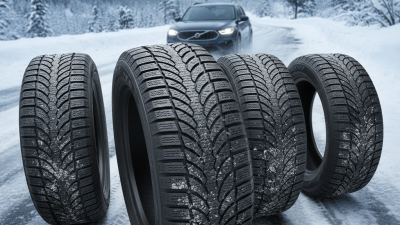
When the rain pours, driving can become treacherous. Your vehicle's safety largely depends on the choice of tires. Wet weather tires are specifically designed to handle slippery conditions. They feature unique tread patterns that channel water away and enhance grip on wet surfaces.
Choosing the right wet weather tires is crucial for a safe driving experience. Not all tires perform the same in rain. Some may lack adequate traction, putting you at risk. You need to pay attention to the tread depth and rubber composition. These factors can make all the difference in preventing hydroplaning.
However, even the best tires can't guarantee safety in extreme conditions. Drivers must remain cautious and adjust their speed accordingly. Investing in quality wet weather tires is a step in the right direction. But it's only part of a larger responsibility—to drive wisely when faced with the elements.
Understanding the Importance of Wet Weather Tires for Rainy Conditions
When driving in rainy conditions, having the right tires is crucial. Wet weather tires are designed to improve traction and provide better handling. The tread pattern, rubber composition, and depth all play a role in how well a tire performs in rain. Water evacuation channels help direct rain away from the contact surface. This helps maintain grip on slippery roads.
It's common to overlook tire maintenance. Check your tire pressure regularly, especially before long trips. Ensure your treads are deep enough. The wear indicators show when it's time for a change.
Tips: Inspect your tires frequently. If the tread appears worn, it’s time to consider replacements. Keep your tires properly inflated to enhance performance. Be mindful of road conditions. Hydroplaning can be a real danger in heavy rain. Always drive cautiously.
Key Features to Look for in Wet Weather Tires
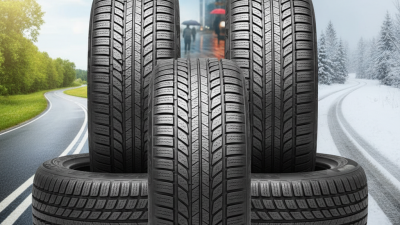
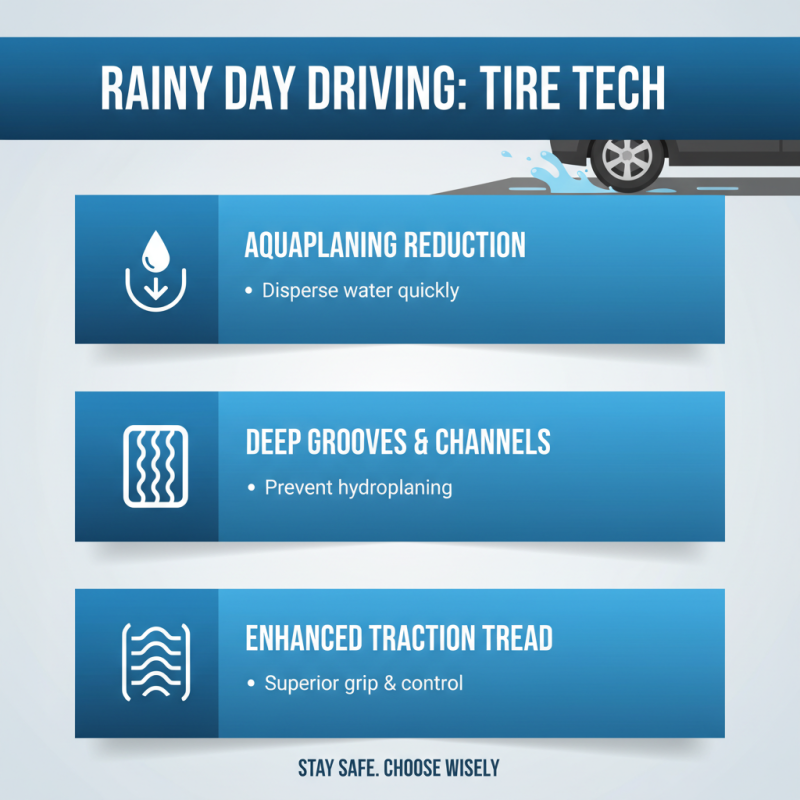
When driving in rainy conditions, choosing the right wet weather tires is crucial. Look for tires that feature deep grooves and channels. These help to disperse water quickly, reducing the risk of hydroplaning. A tread pattern designed specifically for wet conditions enhances traction and control.
Rubber compounds are also important. Softer compounds provide better grip on wet surfaces. They can help maintain stability on slippery roads. Many drivers overlook this aspect, thinking all tires perform similarly in rain. This misconception can lead to dangerous situations.
Tips: Check tire tread regularly. If the grooves are worn down, it’s time for a change. Ensure your tires are properly inflated. Under-inflated tires can lead to reduced performance in rain. Always consult tire pressure recommendations for your specific vehicle.
Another feature to consider is the noise level. Tires designed for wet weather often produce more noise on dry roads. This is a trade-off many drivers must make. Evaluating your comfort with noise can help in making the right choice. Remember, safety should come first, even if the tires are not the quietest.
Top Brands and Models of Wet Weather Tires Reviewed
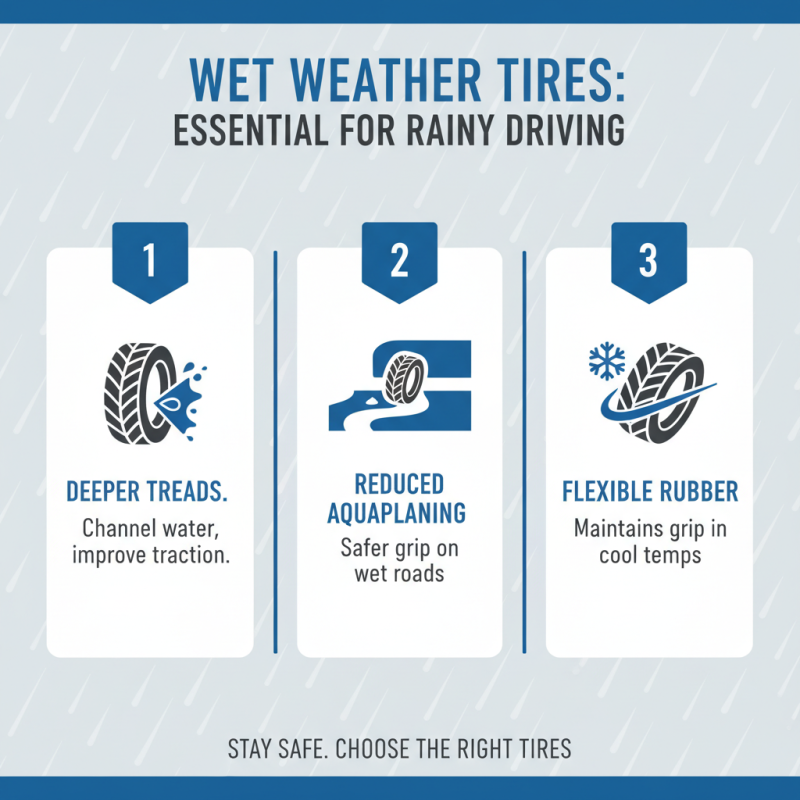
When driving in rainy conditions, proper tires are essential. Wet weather tires have unique designs. They feature deeper treads that channel water away. This improves traction and reduces hydroplaning risks. The rubber compounds used also stay flexible in low temperatures. This helps maintain grip on slippery roads.
Several models stand out for their performance. Some tires offer impressive grip on wet pavement. Others shine in handling and braking tests. Not all models are perfect, though. Some might wear out faster, requiring more frequent replacements. Others may produce more road noise, which can distract drivers. Finding the right balance can be challenging.
It's important to consider your driving habits. If you drive mostly in heavy rain, you need specific features. Comfort and noise levels also matter. Testing several options could lead to better choices. Overall, the right wet weather tires can ensure safety on rainy days. However, the best fit may not be easy to identify without careful consideration.
Maintenance Tips for Prolonging the Life of Wet Weather Tires
Wet weather tires are essential for safe driving in rainy conditions. However, maintaining them can often be overlooked. According to industry reports, over 60% of drivers fail to check tire tread depth regularly. Proper tread depth is crucial for effective water evacuation. A worn tread can increase the risk of hydroplaning.
To prolong the life of your wet weather tires, check the tire pressure frequently. An under-inflated tire can wear out quickly and perform poorly in wet conditions. It’s best to inspect tire pressure at least once a month and before any long trip. Additionally, rotating your tires every 5,000 to 7,500 miles can help ensure even wear. This simple practice can extend the lifespan significantly.
Investing time in proper maintenance can yield substantial benefits. When driving in the rain,
prioritize tire maintenance. Rain brings unique challenges on the road. Ensure that brakes are also in good condition. Remember, neglecting tires can result in unsafe driving experiences. Regular checks can save lives and enhance road safety.
Comparative Analysis: Wet Weather Tires vs. All-Season Tires
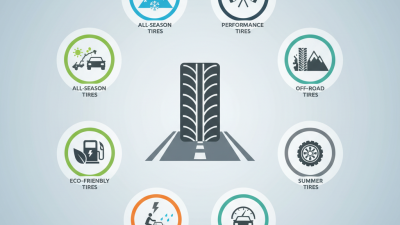
When comparing wet weather tires to all-season tires, there are key factors to consider. Wet weather tires typically feature deeper grooves and special tread patterns. This design helps channel water away more effectively. As a result, they provide better traction on slick surfaces. The rubber compounds used in wet weather tires also stay flexible in low temperatures. This flexibility enhances grip, especially during rain.
All-season tires may be more versatile across various conditions. However, their performance in rain often falls short. Many drivers find they hydroplane more frequently. This can lead to dangerous situations. They are adequate for light rainfall but can struggle in heavy downpours.
Choosing between these options is not always straightforward. The decision often hinges on personal driving habits and local weather. For those living in regions with frequent rain, investing in dedicated wet weather tires could enhance safety. However, budget constraints and practicality must also factor into the choice. It's essential to weigh these considerations carefully.