What is the Best Car Tire Size for Your Vehicle Explained
When it comes to optimizing vehicle performance and safety, understanding the right car tire size is paramount. According to a recent report from the Tire Industry Association, nearly 73% of drivers are unaware of their vehicle's correct tire specifications, which can significantly impact handling, fuel efficiency, and overall driving experience. Industry expert Dr. Emily Mason emphasizes, "Choosing the appropriate car tire size is crucial not only for safety but also for the longevity of the tires and vehicle."
Tire sizes vary widely across different makes and models, and using tires that deviate from the manufacturer's recommendations can lead to an array of problems, including compromised traction, increased tire wear, and even potential vehicle failure. The importance of selecting the correct car tire size cannot be overstated; adherence to the standards ensures that drivers maintain optimal performance under varying road conditions.
This article will delve into the top five considerations when determining the best car tire size for your vehicle, providing insights and guidance to enhance your driving safety and experience. Whether you are a seasoned driver or a new car owner, understanding these factors will empower you to make informed decisions about your vehicle's tire needs.
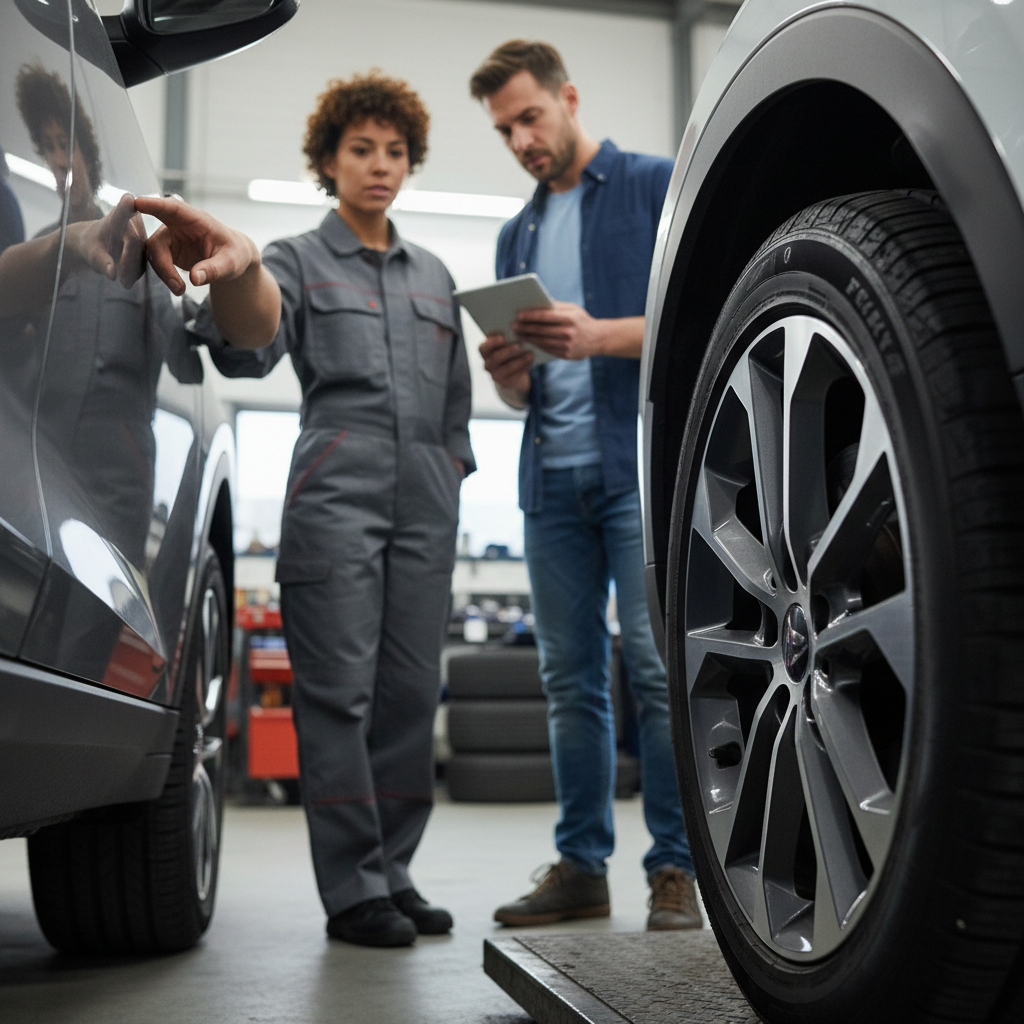
Understanding Tire Size Basics: What Do Numbers Mean?
Understanding tire sizes can seem daunting, but once you break down the numbers, it becomes much clearer. Typically, tire sizes follow a format such as P215/60R16. Here, "P" denotes that it's a passenger tire, "215" is the tire's width in millimeters, "60" is the aspect ratio (which indicates the height of the sidewall as a percentage of the width), "R" stands for radial construction, and "16" is the diameter of the wheel in inches. According to the Tire Industry Association, understanding these numbers is key to selecting a tire that will optimize your vehicle's performance, efficiency, and safety.
When choosing the best tire size for your vehicle, always consult the owner’s manual or the tire placard usually found on the driver’s side door jamb. This information provides OEM (Original Equipment Manufacturer) specifications that ensure proper fit and performance. Remember, fitting a tire size that deviates too far from the manufacturer’s specifications can lead to handling issues or increased wear, according to reports from the National Highway Traffic Safety Administration.
Tips: Before purchasing new tires, consider not only the size but also the type of tire best suited for your driving habits, such as all-season vs. performance tires. Additionally, keep track of the tread depth as worn tires can severely impact handling and safety.
What is the Best Car Tire Size for Your Vehicle Explained - Understanding Tire Size Basics: What Do Numbers Mean?
| Tire Size |
Width (mm) |
Aspect Ratio (%) |
Rim Diameter (inches) |
Load Index |
Speed Rating |
| 205/55 R16 |
205 |
55 |
16 |
91 |
V |
| 225/45 R17 |
225 |
45 |
17 |
94 |
W |
| 255/40 R18 |
255 |
40 |
18 |
95 |
Y |
| 195/65 R15 |
195 |
65 |
15 |
91 |
H |
| 175/70 R14 |
175 |
70 |
14 |
84 |
T |
How to Determine Your Vehicle's Recommended Tire Size Efficiently
Determining the recommended tire size for your vehicle is essential for safety, performance, and fuel efficiency. The first step is to check the owner's manual, which typically lists the manufacturer's specifications for tire size. Additionally, you can find this information on a sticker located on the driver's side door jamb or inside the trunk. These sources provide details on not only the size but also the appropriate load index and speed rating, which are crucial for optimal vehicle performance.
Another effective method to determine the right tire size is by examining the tires currently on your vehicle. Tire sidewalls display a series of numbers and letters that represent the tire size, such as P215/65R15. Understanding this code can help you find a compatible replacement. It’s also advisable to consult with a professional tire dealer, as they can provide personalized recommendations based on your driving habits, climate conditions, and vehicle specifications. This approach ensures you make informed choices that enhance your vehicle's overall performance and longevity.
Analyzing the Impact of Tire Size on Fuel Efficiency and Performance
When considering the best tire size for a vehicle, it's crucial to analyze the impact on both fuel efficiency and performance. Recent studies indicate that the pneumatic tire market is expected to surpass USD 564.31 billion by 2034, driven by a heightened demand for vehicles that offer better fuel economy. With rising global vehicle production, the search for lightweight, low rolling resistance tires is more critical than ever. Research suggests that these specific tire attributes not only contribute to improved mileage but also enhance overall driving performance.
In addition, the low rolling resistance tire market is set for significant growth, projected to reach USD 43.57 billion by 2030. This correlates with a notable trend in the automotive industry where manufacturers are increasingly focusing on tire weight and design to optimize fuel efficiency. Innovative products, such as all-terrain tires that combine strength with reduced weight, exemplify the dual focus on sustainability and performance. As consumers become more aware of the environmental impact of their choices, understanding the nuanced relationship between tire size and vehicle efficiency will be paramount for making informed decisions.
Expert Tips for Choosing the Right Tire Size for Off-Road vs. On-Road Driving
Choosing the right tire size is crucial for optimizing your vehicle's performance, whether you're navigating city streets or tackling rugged terrains. For off-road driving, larger tires with a more aggressive tread pattern are generally preferable. They provide better traction on uneven surfaces. However, ensure that the tire size is compatible with your vehicle to avoid issues with clearance and handling.
When it comes to on-road driving, the focus shifts to stability and comfort. Opt for tires that are designed for your specific vehicle model, as they offer the best balance between performance and fuel efficiency. The recommended size usually indicates an ideal width, aspect ratio, and diameter that suits your vehicle's specifications.
**Tips**: Always consult your vehicle's owner manual or the placard inside the driver’s side door for the manufacturer's recommended tire size. Consider the types of weather you typically encounter; all-season tires can be excellent for mild conditions, while dedicated winter tires will enhance safety during snowy months. Lastly, when switching between off-road and on-road tires, it's essential to recalibrate any electronic systems in your vehicle that may be affected by size changes.
Best Tire Sizes for Different Driving Conditions
This chart illustrates the recommended tire sizes for various types of vehicles based on their typical use, helping you make informed decisions for both on-road and off-road driving conditions.
Common Tire Size Mistakes and How to Avoid Them for a Safer Ride
Choosing the correct tire size for your vehicle is crucial not only for optimal performance but also for safety. One common mistake many drivers make is assuming that any tire size will suffice as long as it fits the wheel. According to a report by the Tire Industry Association, using the wrong tire size can lead to a 20% increase in braking distance, significantly compromising your vehicle's safety in emergency situations. Additionally, mismatched tire sizes can affect your car's handling and lead to uneven tire wear, which might cause costly repairs down the line.
Another prevalent error is neglecting the manufacturer’s specifications found in the owner's manual or on the door jamb sticker. Many drivers overlook these details, assuming they know better. The National Highway Traffic Safety Administration emphasizes that installing tires outside of the recommended size can void warranties and lead to hazardous driving conditions. To avoid such mistakes, always consult professional resources and verify the appropriate tire size for your vehicle, ensuring not only safety but also enhanced performance and longevity of your tires.