Best All Weather Tires for Safe Driving in Any Condition?
Choosing the right tires can enhance your driving experience, especially in diverse weather conditions. Good all weather tires provide stability, grip, and safety when facing rain, snow, or sunshine. They are designed for versatility, ensuring you can travel safely no matter the forecast.
Many drivers overlook the importance of selecting quality tires. They may choose based on price or brand reputation, neglecting performance. This can lead to disappointing outcomes. A good all weather tire should meet rigorous safety standards and offer reliable traction. Understanding tire specifications is essential for informed decisions.
Researching and comparing different options can be overwhelming. Numerous brands claim to provide the best in the market. However, not all live up to their promises. By focusing on genuine performance reviews and expert recommendations, you can discover the best all weather tires for your needs. Reflecting on your driving habits may also guide your choice.
Understanding All-Weather Tires: Features and Benefits
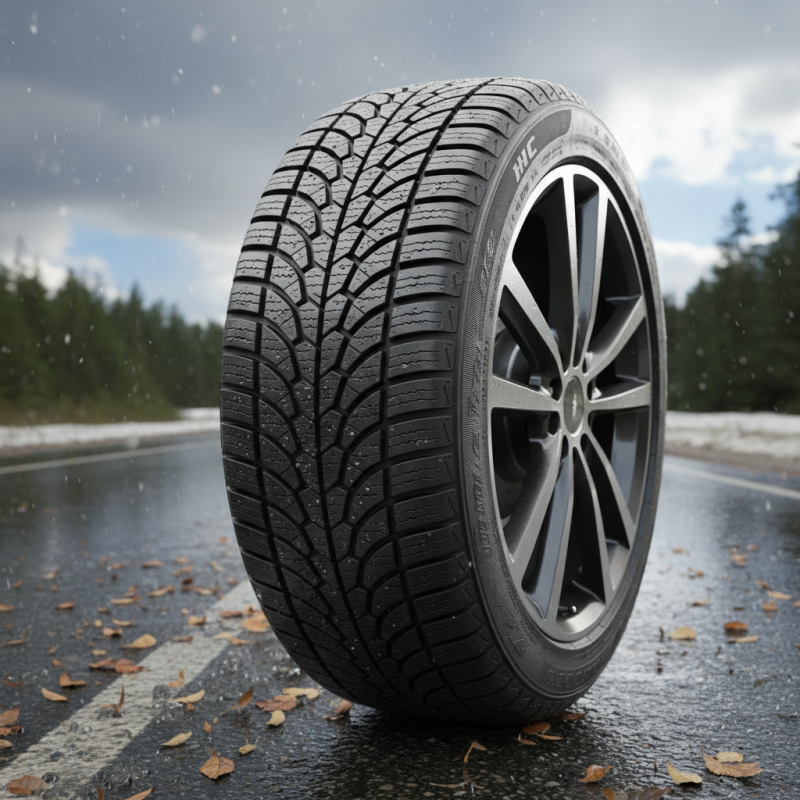
All-weather tires are designed to perform safely in various conditions, including rain, snow, and dry roads. Their unique tread patterns help maintain grip in both wet and icy conditions. This is essential for drivers who face changing weather throughout the year. A good all-weather tire should offer a balance between flexibility and durability. The rubber compounds used in these tires are engineered to withstand temperature fluctuations.
When considering benefits, all-weather tires save the hassle of seasonal changes. Many drivers appreciate the convenience of not needing to switch tires. They often feature a symmetric tread design, which enhances stability. This stability is crucial during unexpected weather changes. While all-weather tires provide versatility, they may not match the optimal performance of dedicated winter or summer tires in extreme conditions. Understanding these limitations is important in assessing their suitability for your driving needs.
Ultimately, investing in reliable all-weather tires can enhance safety. This choice is particularly relevant for those navigating diverse climates. Regularly checking tire pressure and tread depth can ensure optimal performance. Making informed decisions about your tires can significantly impact your driving experience.
Best All Weather Tires for Safe Driving in Any Condition
| Tire Model |
Tread Design |
Wet Performance |
Snow Performance |
Longevity |
| Model A |
Symmetrical |
Excellent |
Good |
50,000 miles |
| Model B |
Asymmetrical |
Very Good |
Excellent |
60,000 miles |
| Model C |
Directional |
Good |
Very Good |
55,000 miles |
| Model D |
Symmetrical |
Fair |
Good |
48,000 miles |
Comparing All-Weather Tires to Seasonal Tires
When comparing all-weather tires to seasonal tires, several factors come into play. All-weather tires are designed to perform well in various conditions, including rain, snow, and dry roads. According to the Tire & Rubber Association, all-weather tires typically offer a balance between winter and summer tires, allowing for year-round adaptability. They come with tread patterns that provide sufficient grip in winter while still handling well in warmer conditions. This versatility might appeal to drivers who face unpredictable weather.
However, seasonal tires excel in specialized environments. Winter tires outperform all-weather models in snowy and icy conditions due to their softer rubber compounds. A study by Consumer Reports highlights that winter tires can reduce stopping distances on ice by up to 30%. This performance difference is crucial for safety-focused drivers. While all-weather tires offer convenience, they may not perform as well when conditions drastically vary.
Ultimately, choosing between the two depends on personal driving habits and climate. All-weather tires can serve adequately for moderate conditions but might not suffice in severe weather. Drivers should weigh the benefits against the potential for compromised safety. This nuanced decision requires careful consideration of driving conditions and individual needs.
Best All Weather Tires vs Seasonal Tires Performance
Top Recommended All-Weather Tires for Various Vehicles
When it comes to choosing all-weather tires, various factors must be considered. The right tires can enhance safety and driving performance in different conditions. All-weather tires are designed to provide balance. They aim for traction in rain, snow, and dry conditions.
For different vehicles, some common recommendations include tires that perform well on wet surfaces. These tires often feature unique tread patterns. Deep grooves help channel water away, reducing the risk of hydroplaning. In colder regions, some all-weather tires also offer suitable winter performance. This is essential for maintaining grip on icy roads.
However, not all all-weather tires are created equal. Drivers may notice variations in handling and wear. Factors such as vehicle type and driving style can impact performance. It's important to seek expert advice and conduct thorough research. Reading user reviews and expert assessments can better inform your choice. Ultimately, making an informed decision involves weighing options carefully.
Factors to Consider When Choosing All-Weather Tires
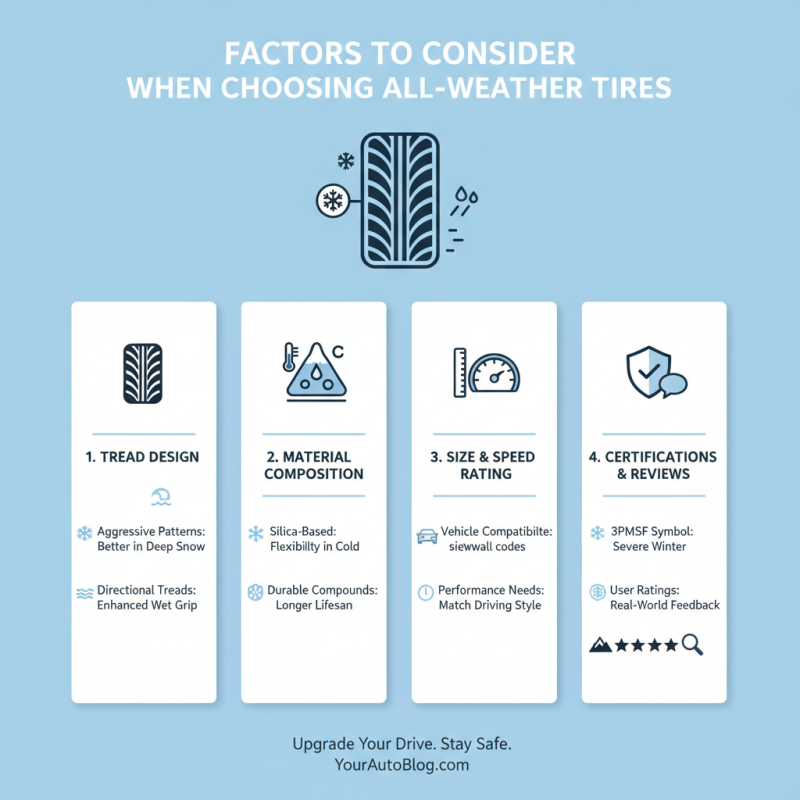
Choosing the right all-weather tires can make a significant difference in your driving experience. When exploring options, it’s crucial to consider multiple factors. First, tread design plays a vital role in performance. Different patterns affect how tires grip the road. Aggressive treads may excel in fresh snow, while others may perform better on wet surfaces.
Another important aspect is the tire rubber compound. Softer compounds offer better grip in cold conditions. However, they may wear out faster. This trade-off requires careful thought. Additionally, your local climate should influence your choice. Regions with heavy rain and snow require tires with enhanced water evacuation capabilities. It's essential to balance expectations and driving style with tire performance.
The tire's load capacity is another consideration. You must ensure the tires can handle your vehicle’s weight. Ignoring this could lead to safety issues. Furthermore, paying attention to noise levels can improve overall comfort. Some all-weather tires generate more road noise than others. Evaluate these characteristics before making a decision. The right all-weather tires should support your specific driving needs while ensuring safety in diverse conditions.
Maintenance Tips for Ensuring Optimal Performance of All-Weather Tires
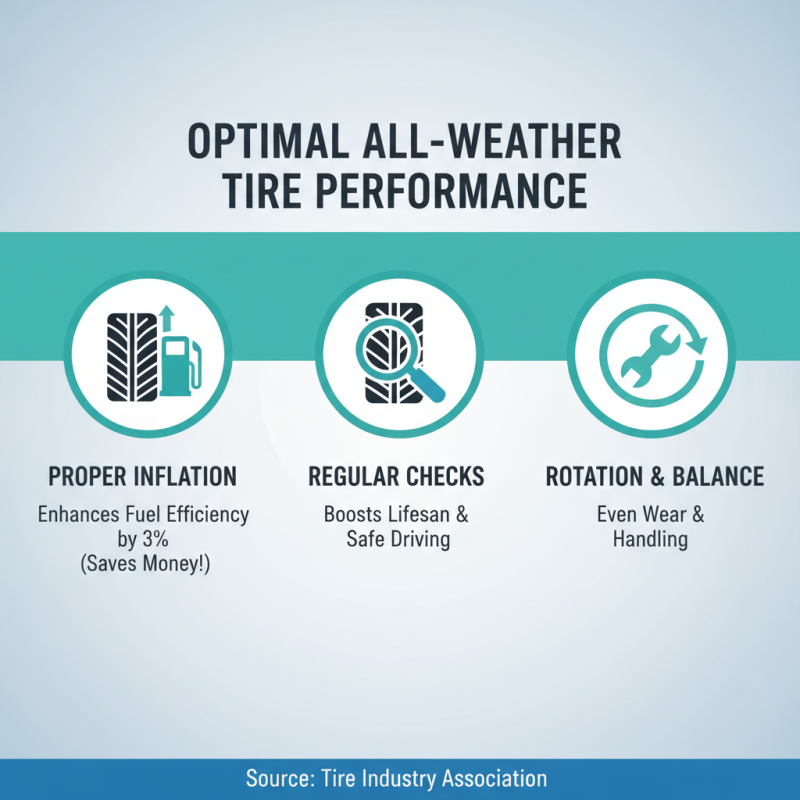
Maintaining all-weather tires is crucial for safe driving. Regular checks can dramatically enhance their lifespan. According to the Tire Industry Association, proper inflation can improve fuel efficiency by up to 3%. This means staying vigilant about tire pressure is not just about safety; it's also about saving money.
Treads must be inspected frequently. Tread depth is vital for grip in various conditions. The National Highway Traffic Safety Administration states that tires with less than 2/32 inches of tread are unsafe. Drivers should consider using the penny test. Insert a penny into the tread. If you see Lincoln's entire head, it’s time to replace the tires.
Rotation is another key aspect of maintenance. It helps even out wear and prolongs tire life. Experts recommend rotating every 5,000 to 8,000 miles. The alignment should also be checked regularly. Misalignment can lead to uneven wear and may decrease the tire’s effectiveness. It’s easy to overlook these details, but neglecting them can jeopardize your safety on the road.